

Whiteout
2022-ongoing
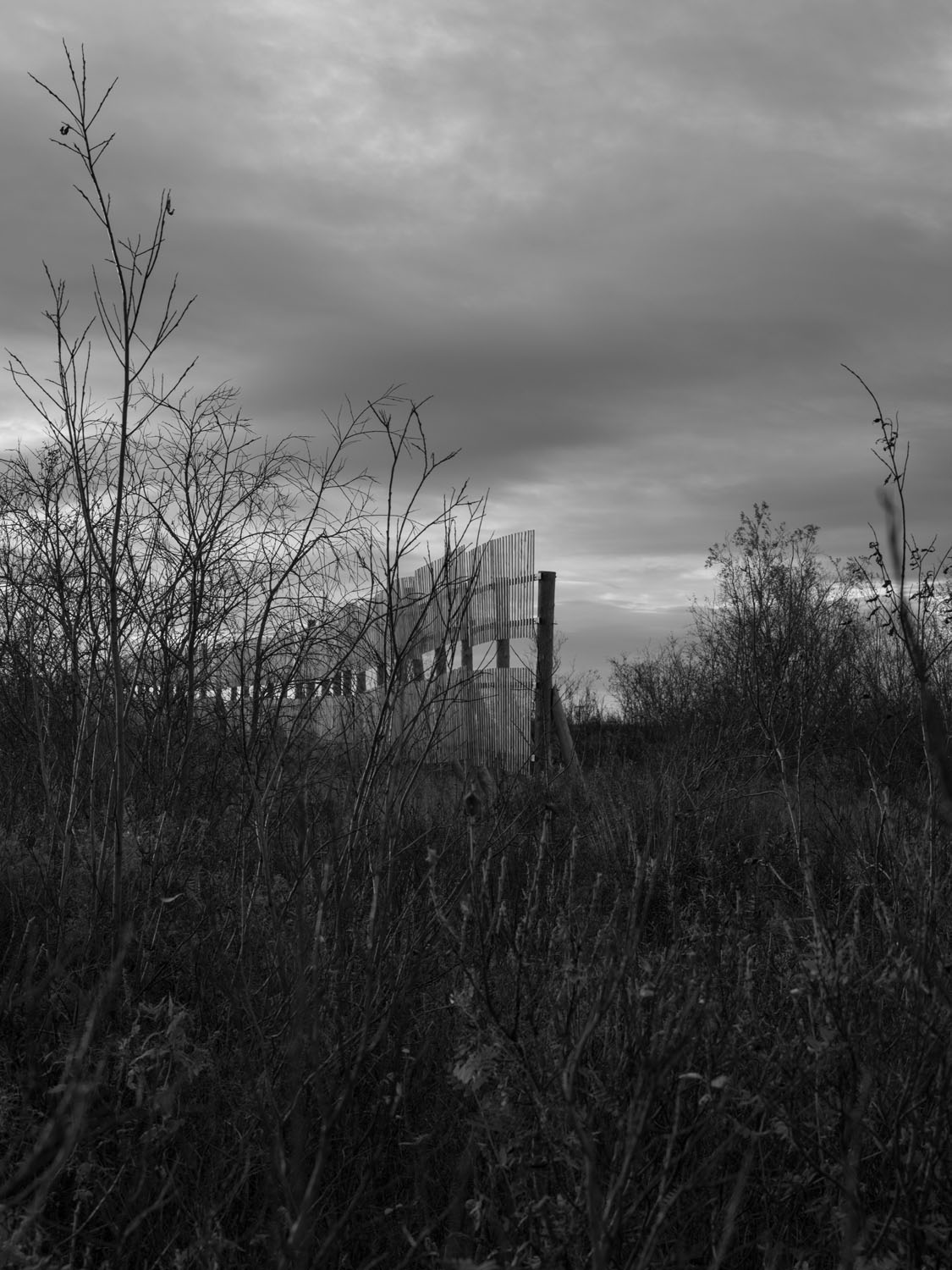
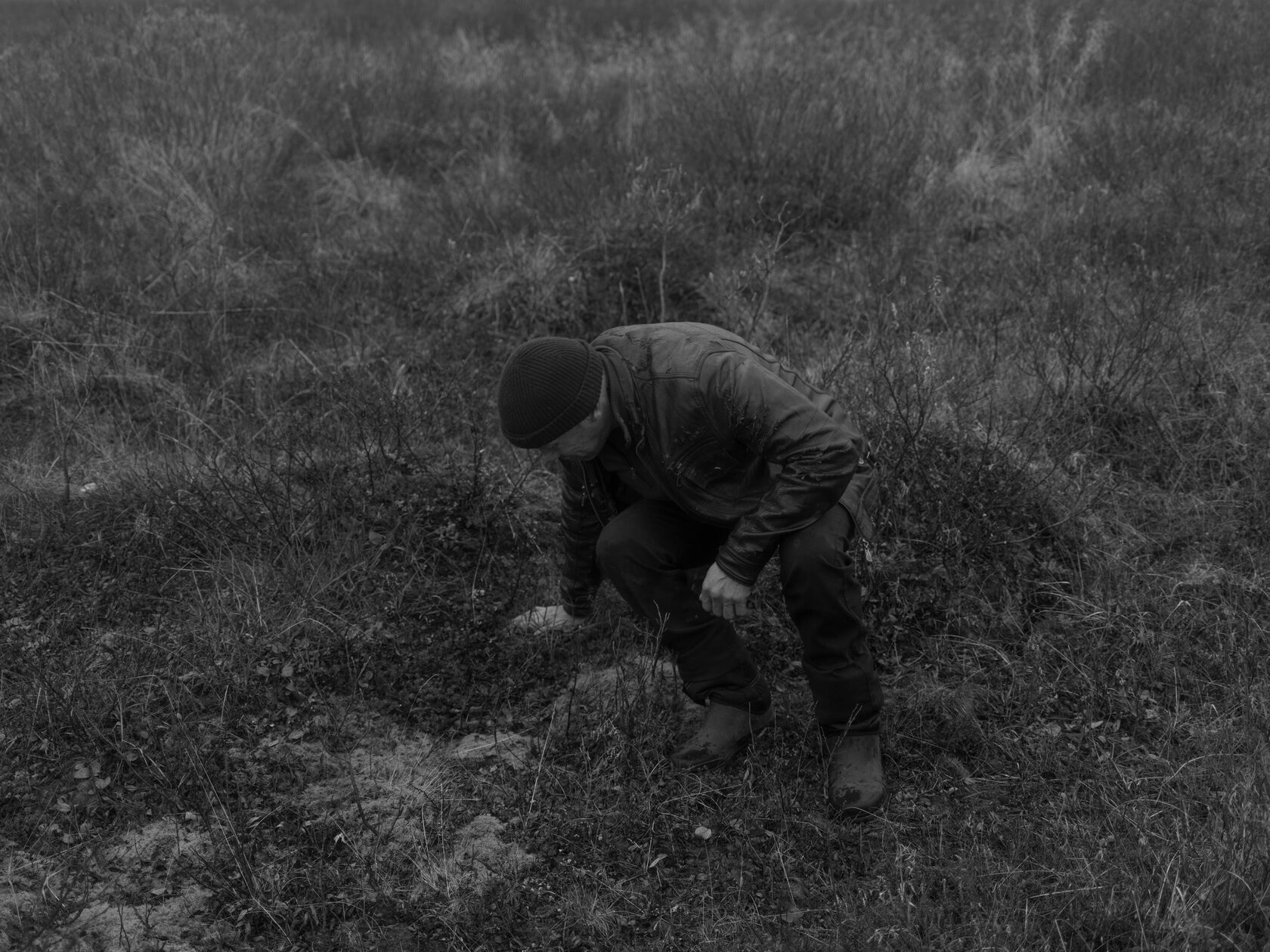
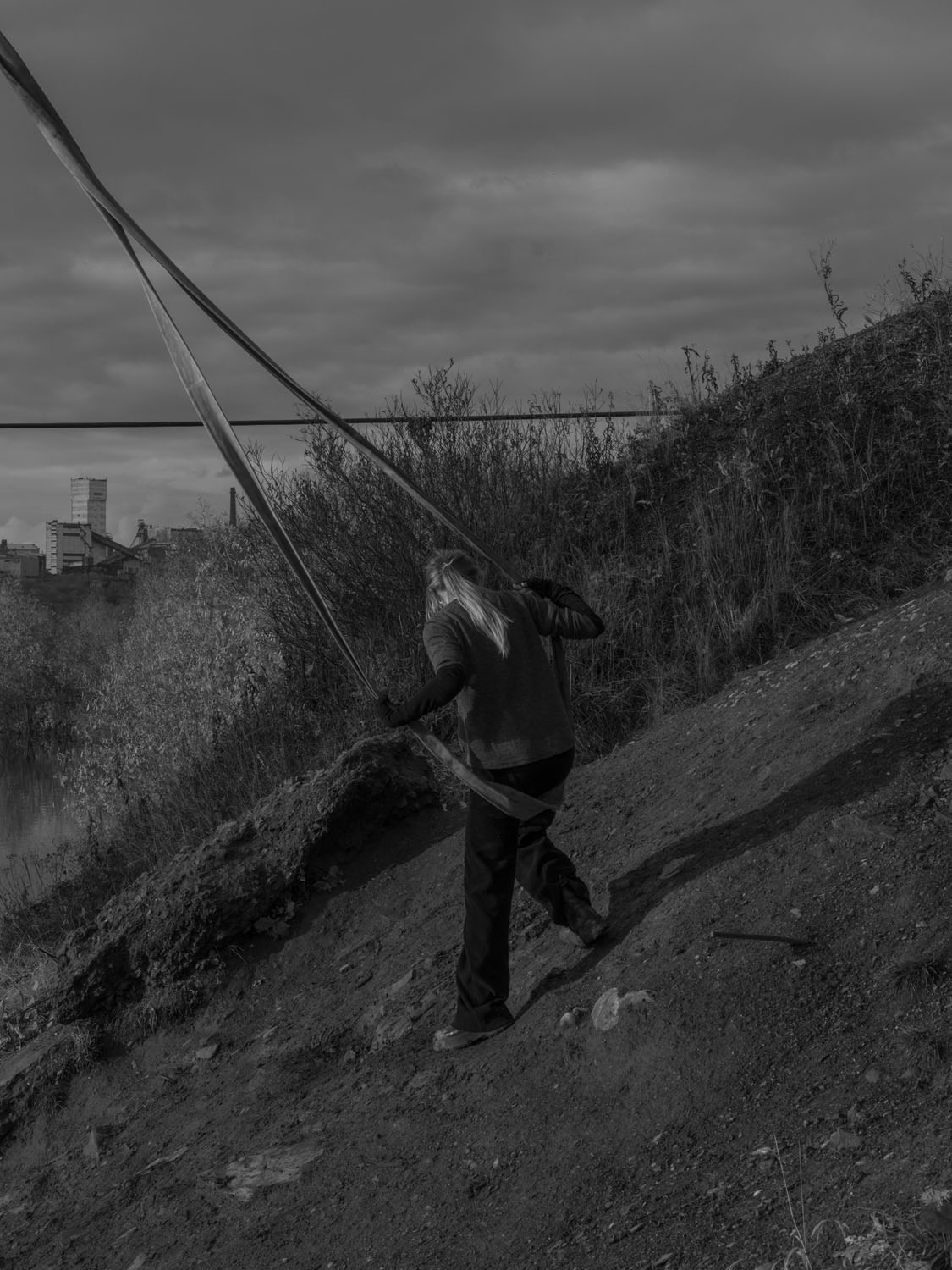
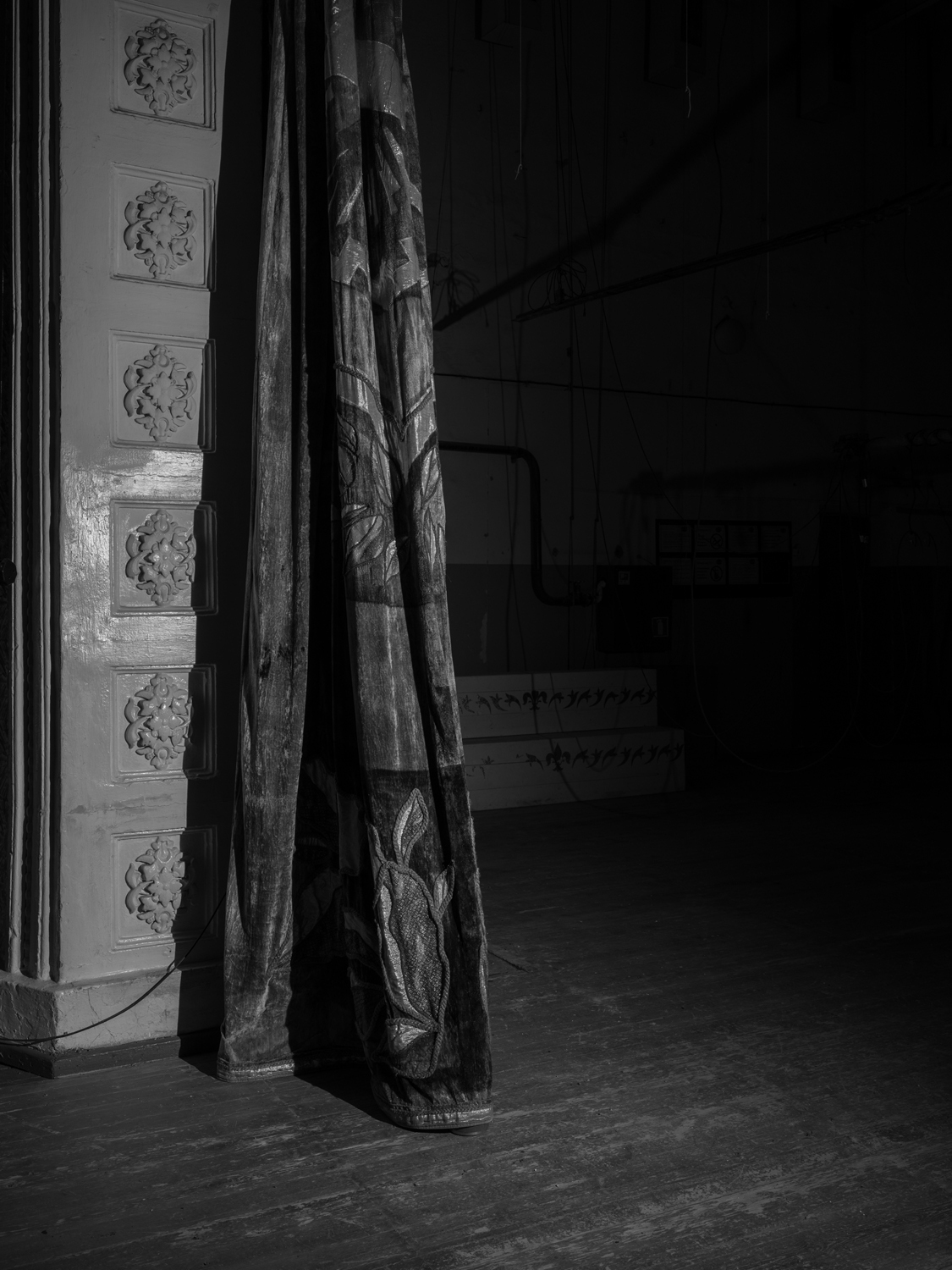
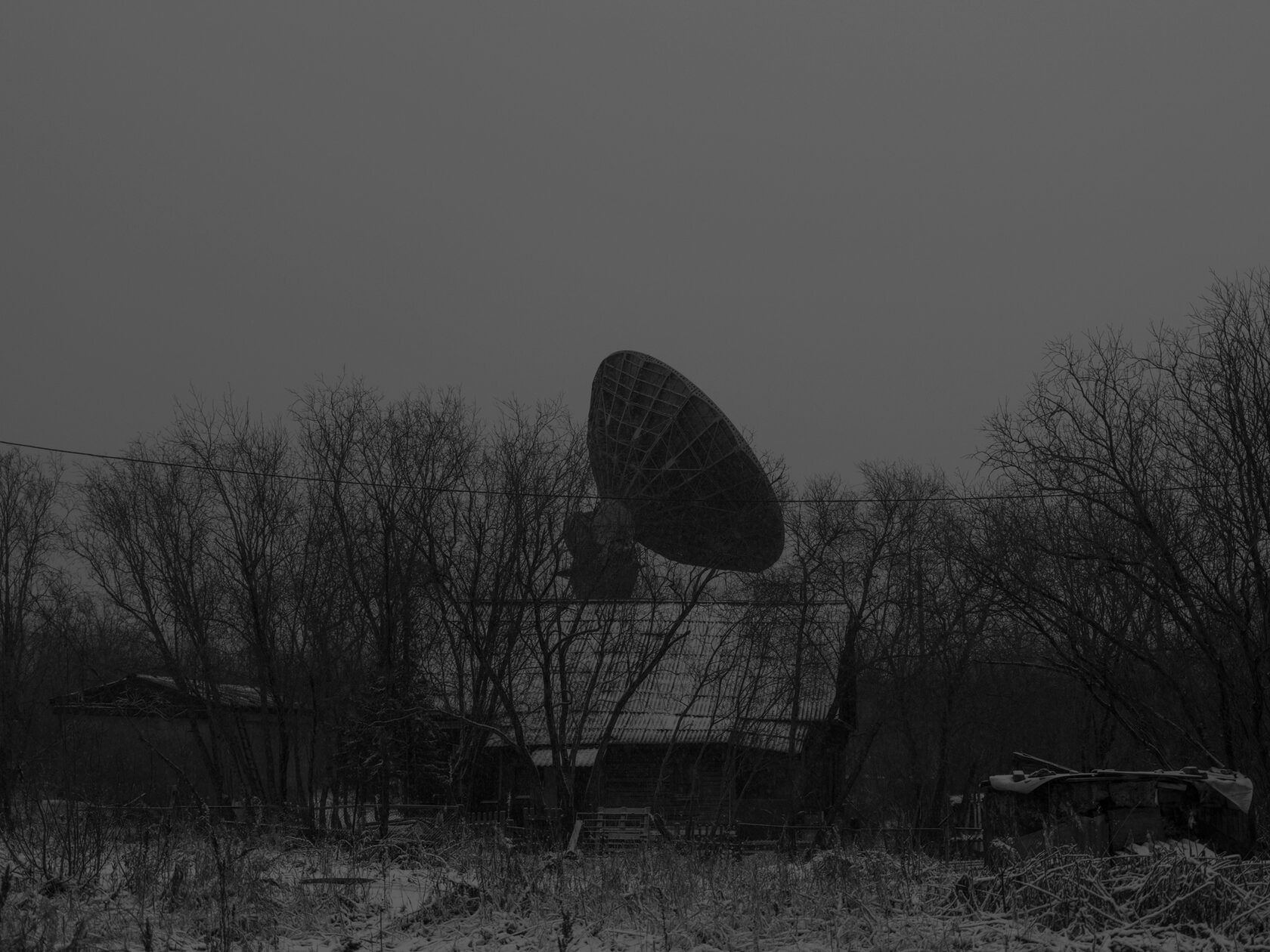
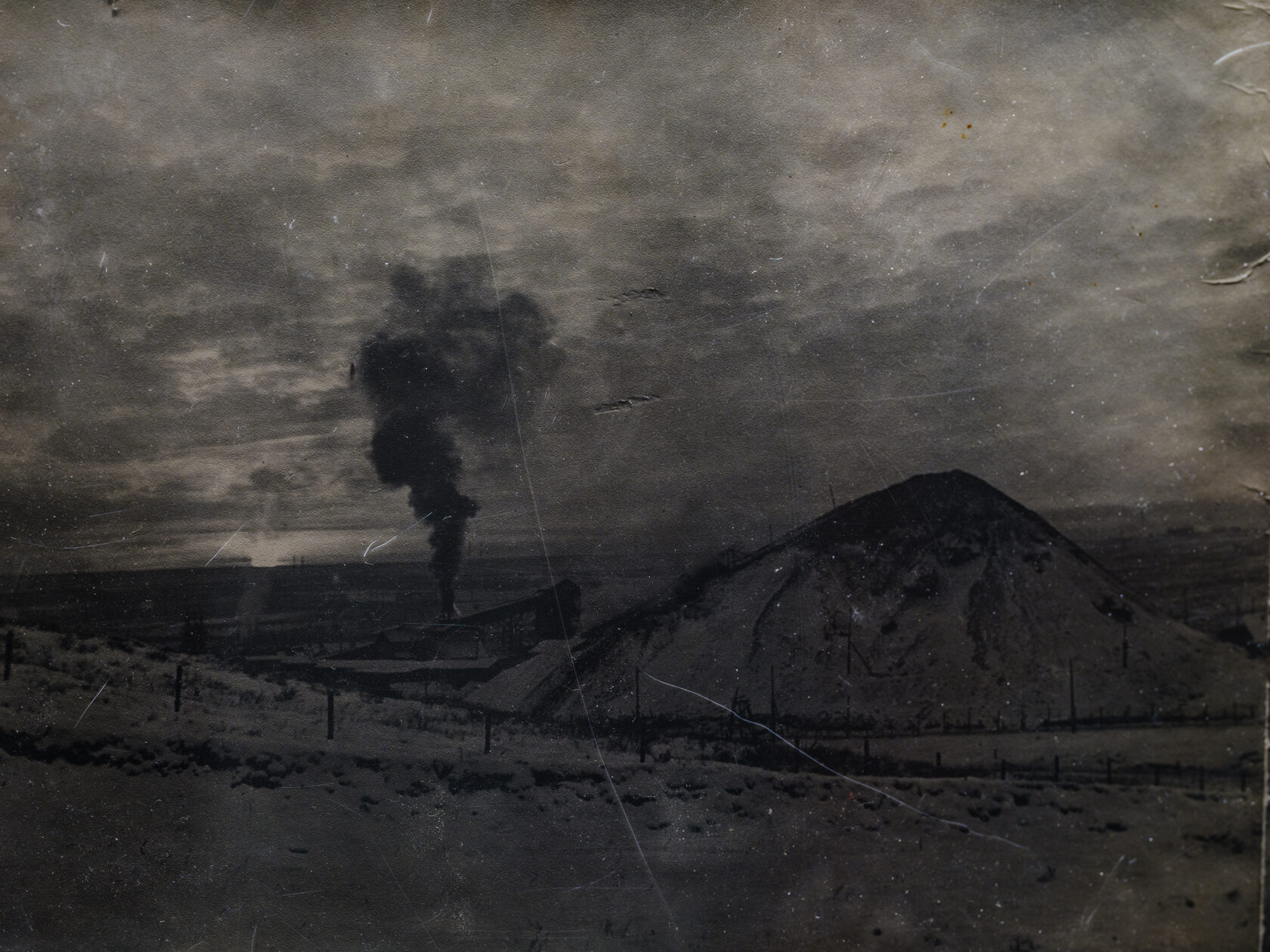
Whiteout is a long-term photographic project that traces the aftermath of industrial expansion in the Arctic. It focuses on a territory transformed by coal mining, forced labour, and Soviet industrial planning, asking what remains when the resource that justified this occupation loses its value, while the people and the landscape continue to bear its consequences.
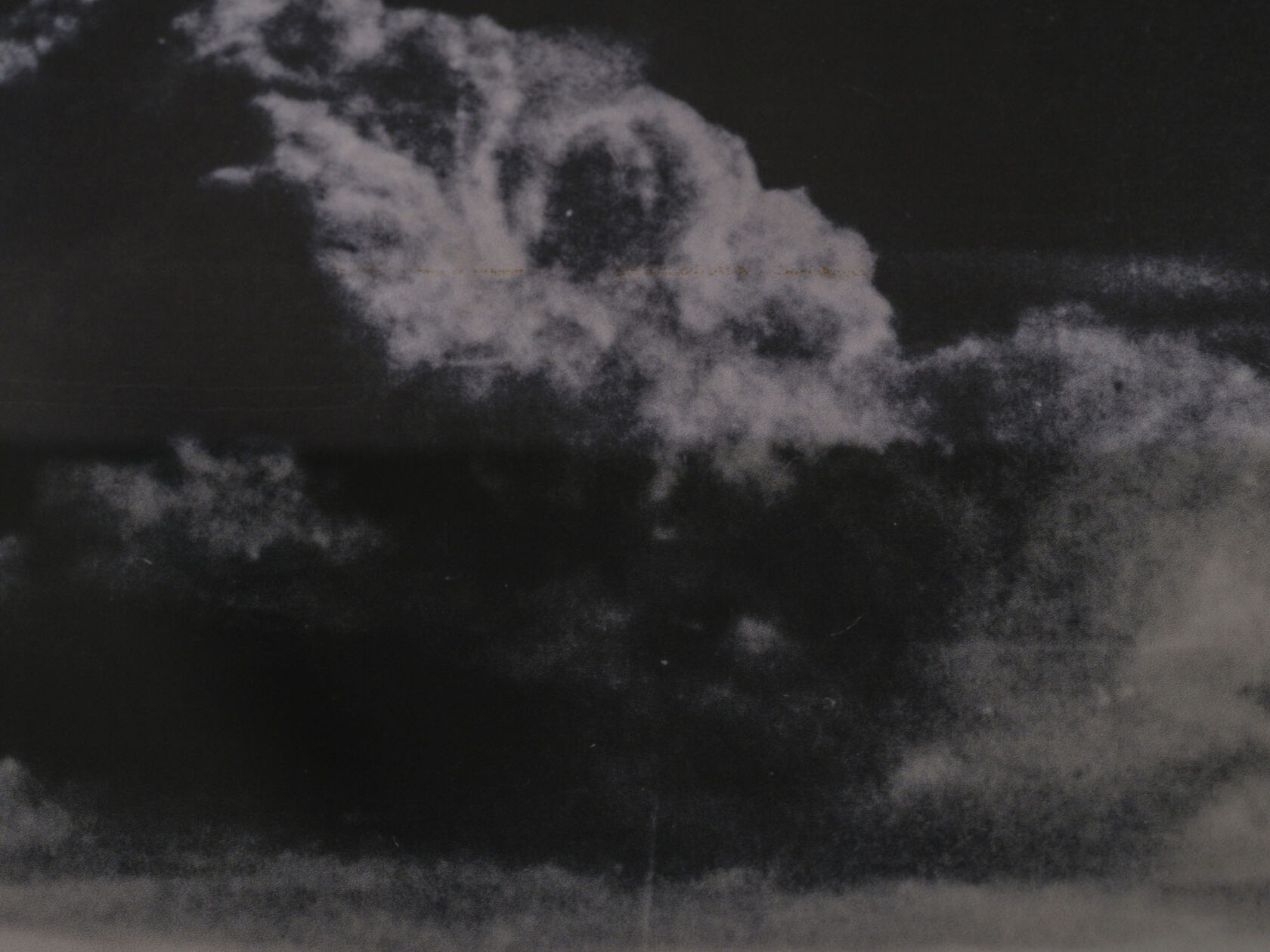
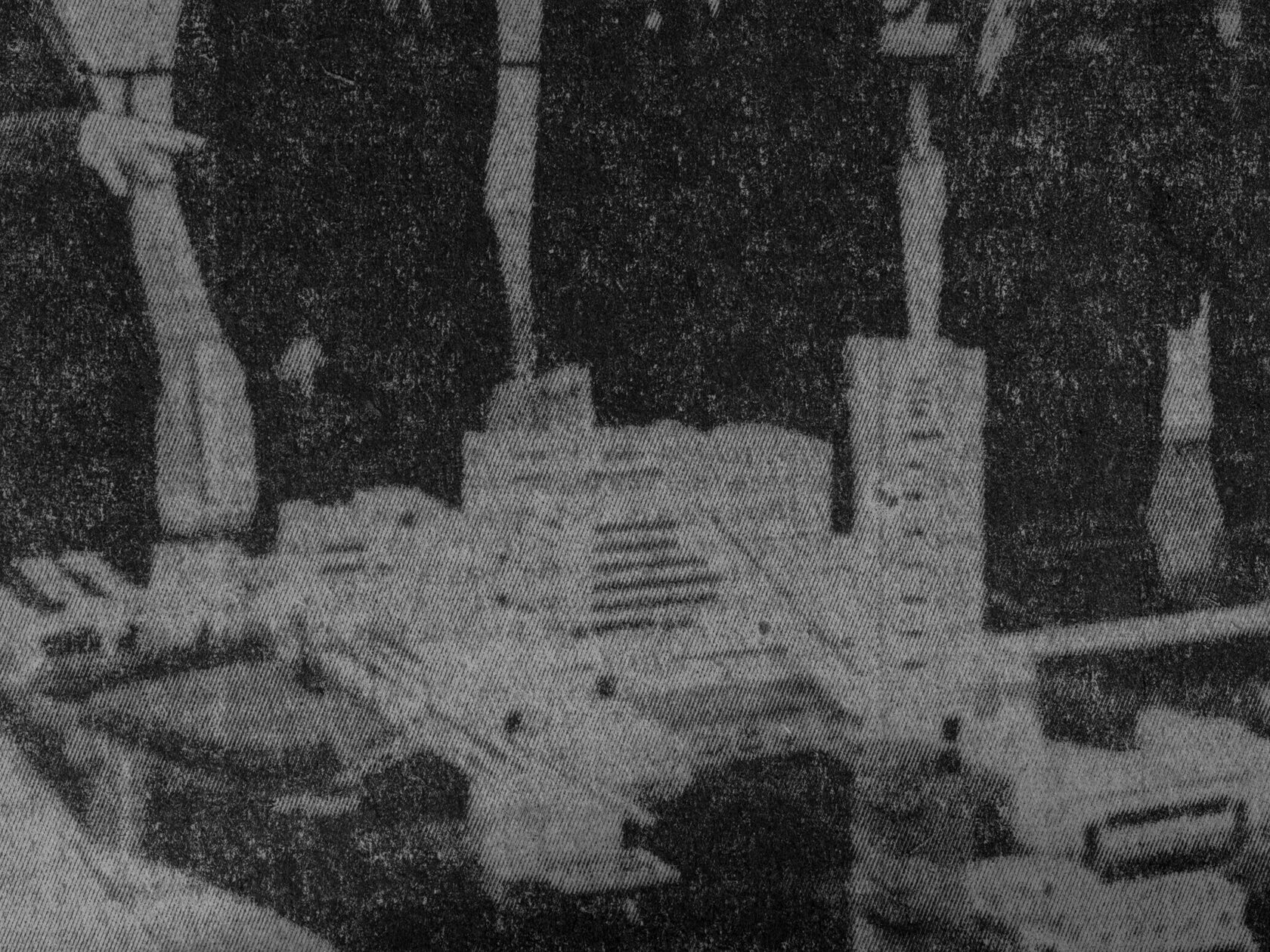
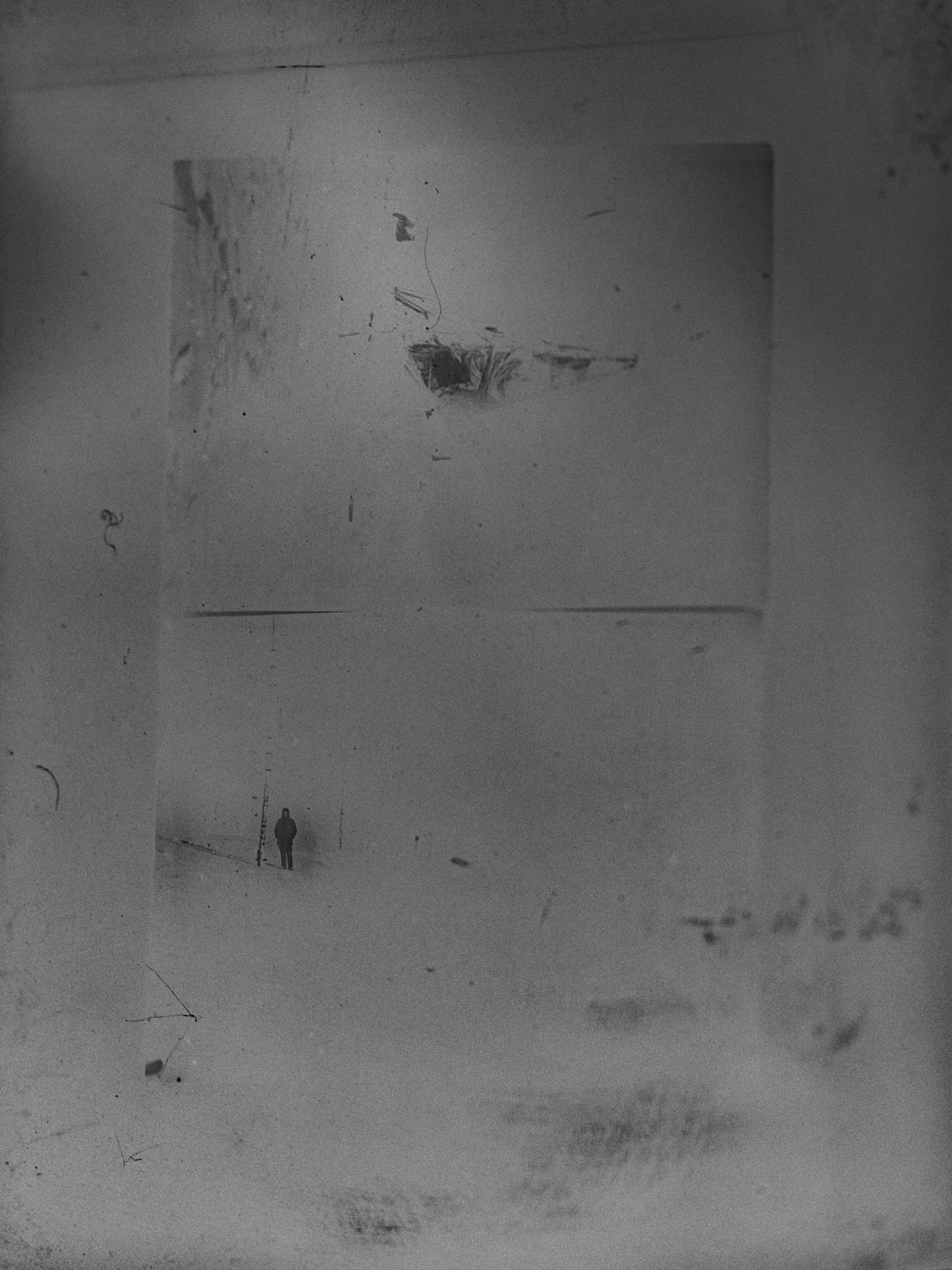
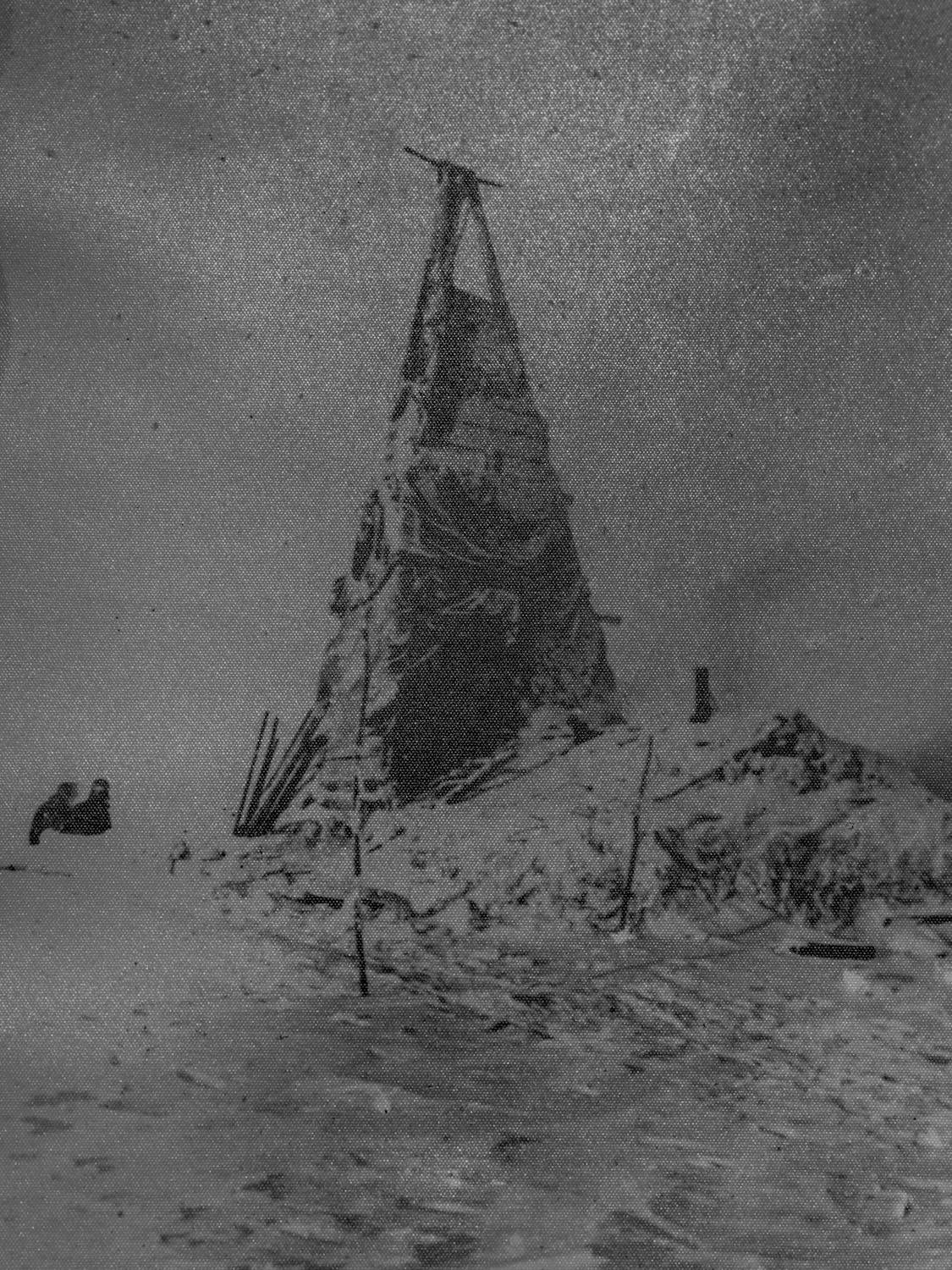
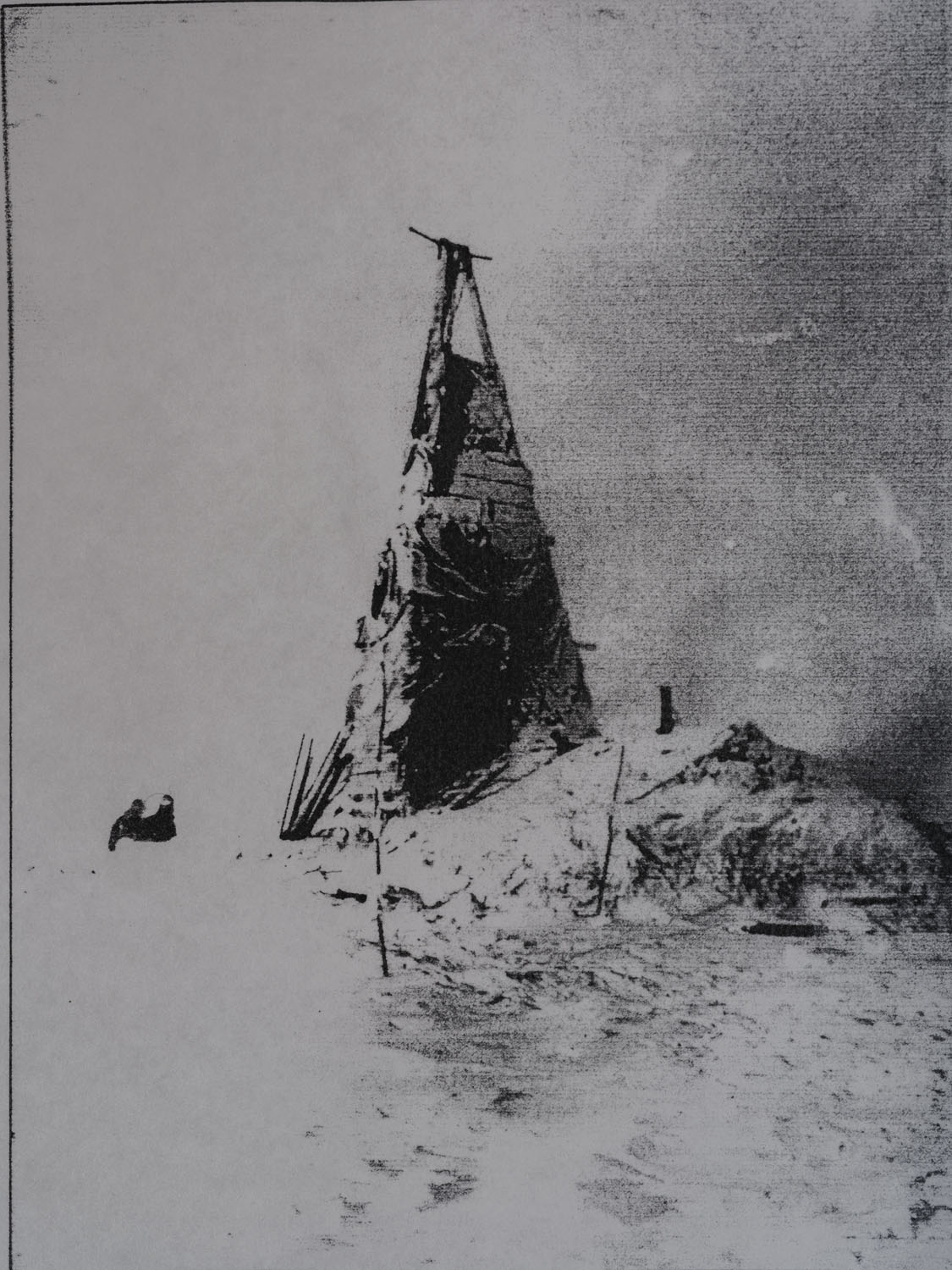
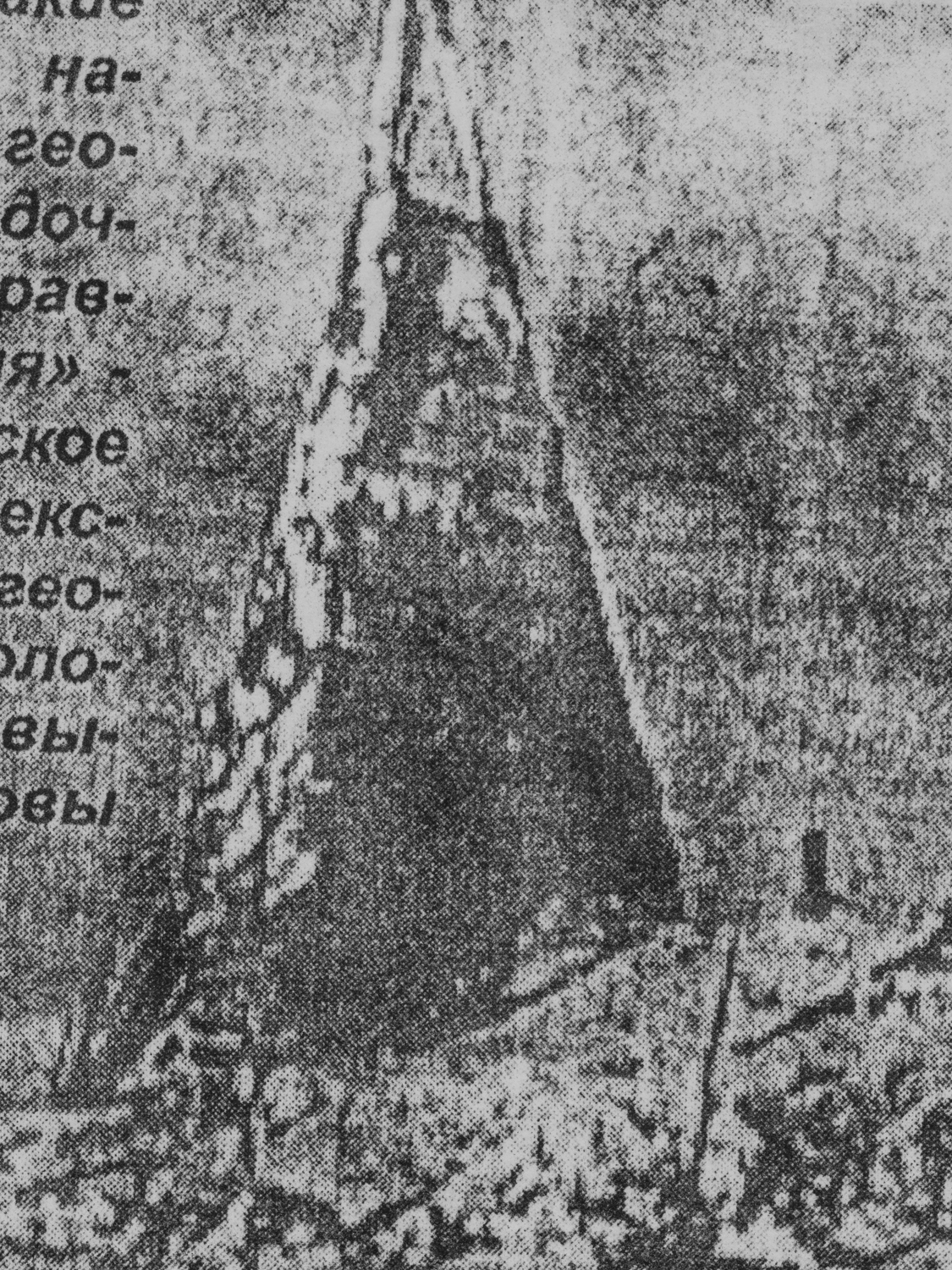
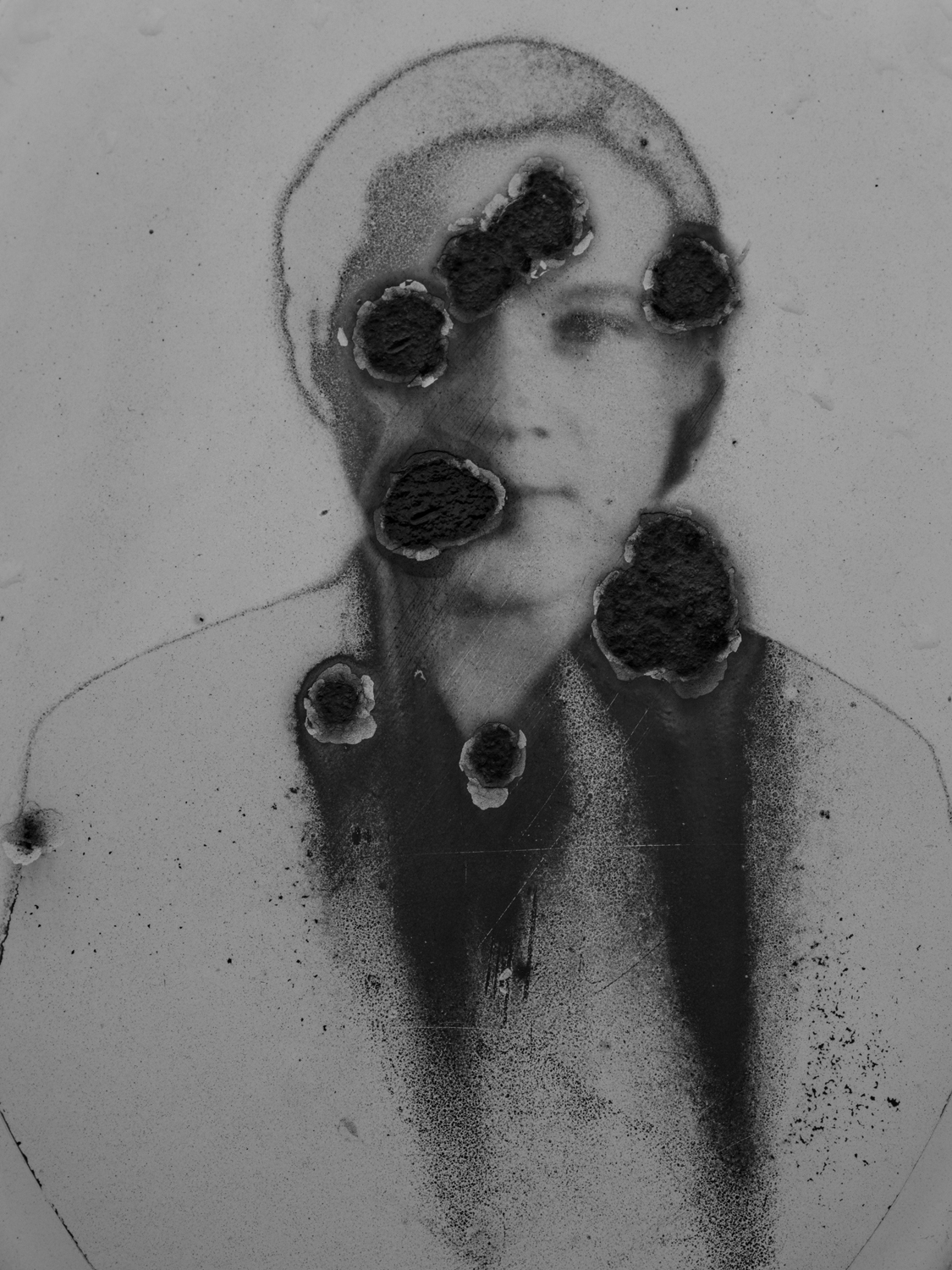
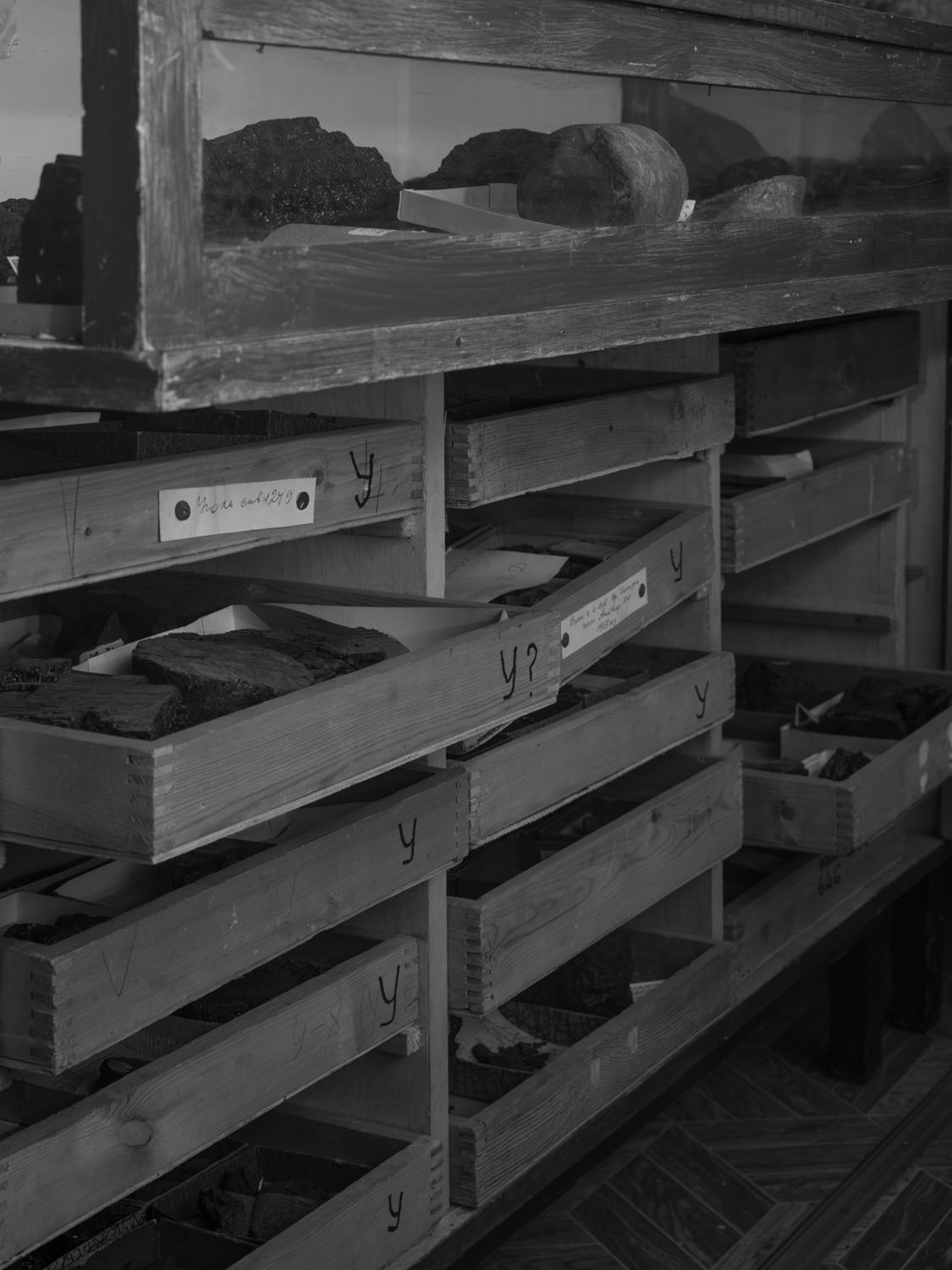
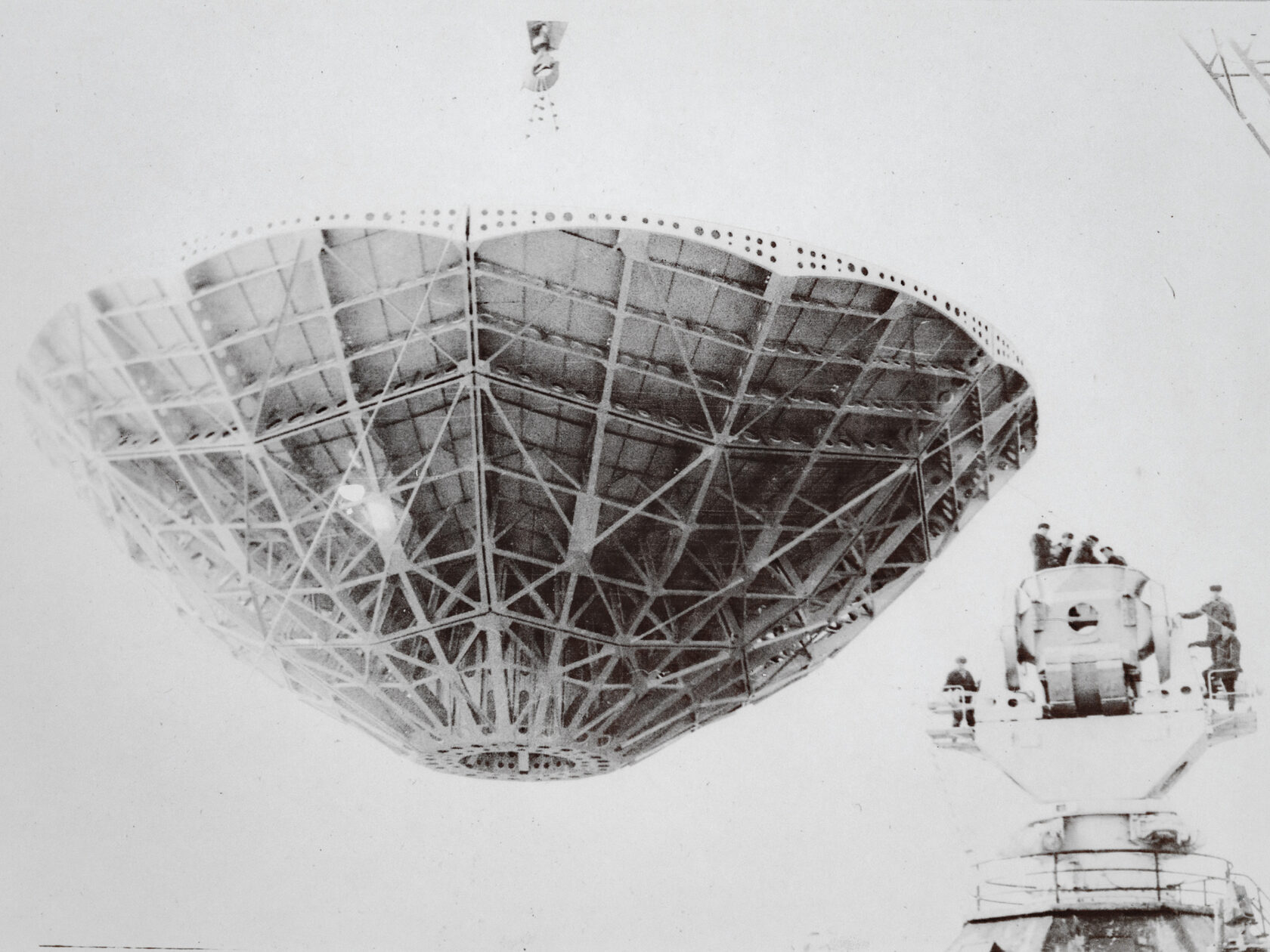
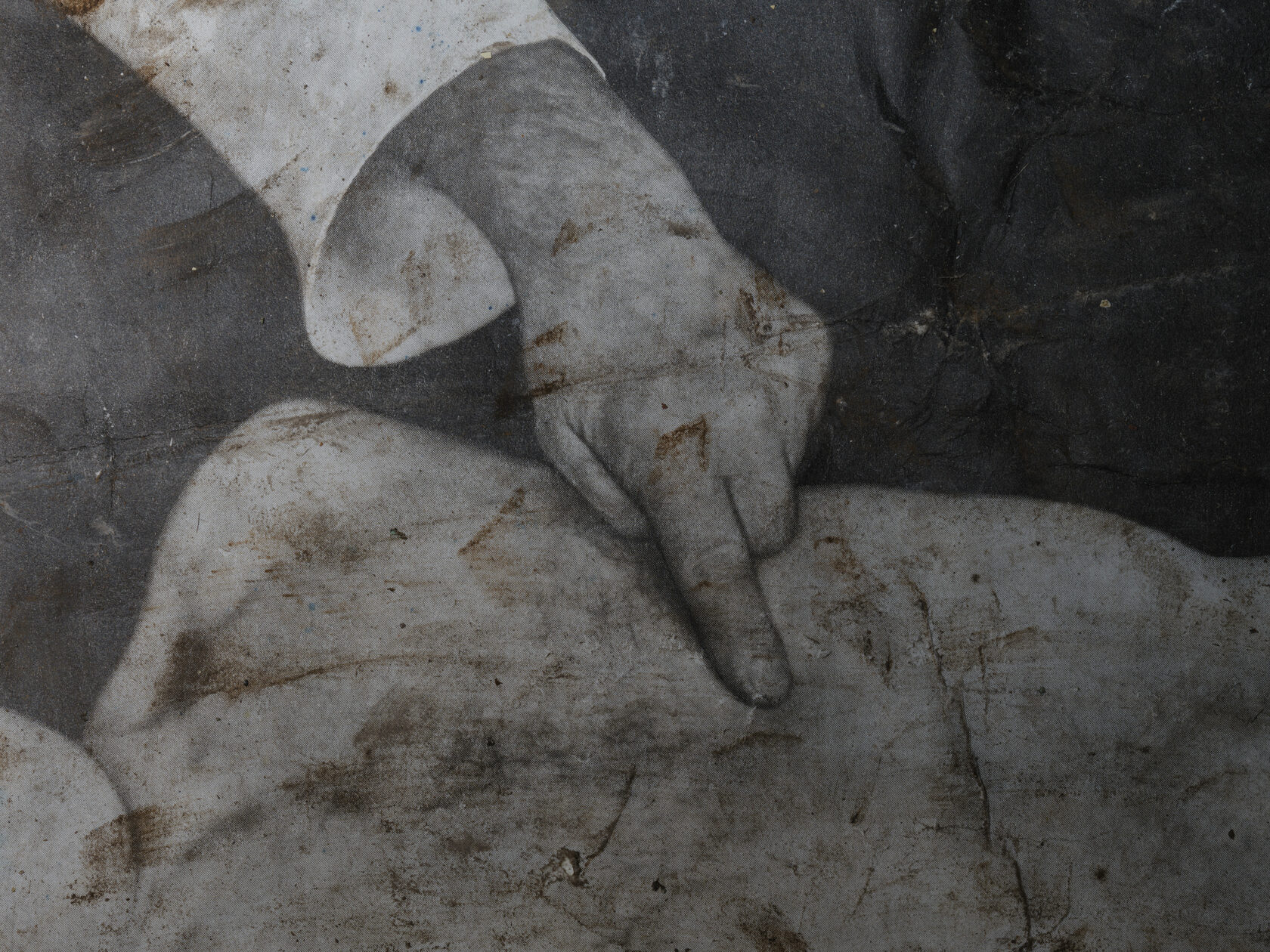
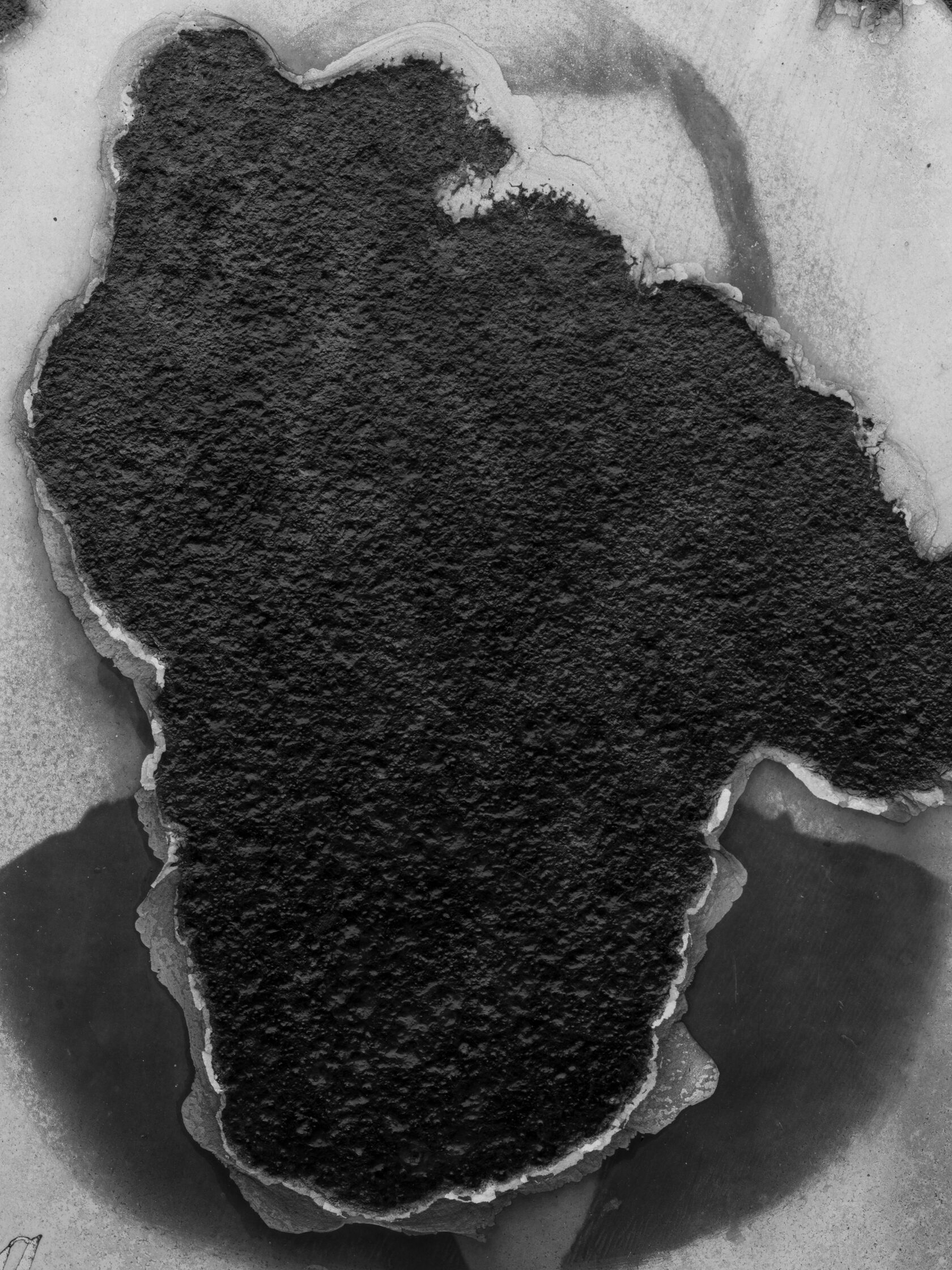
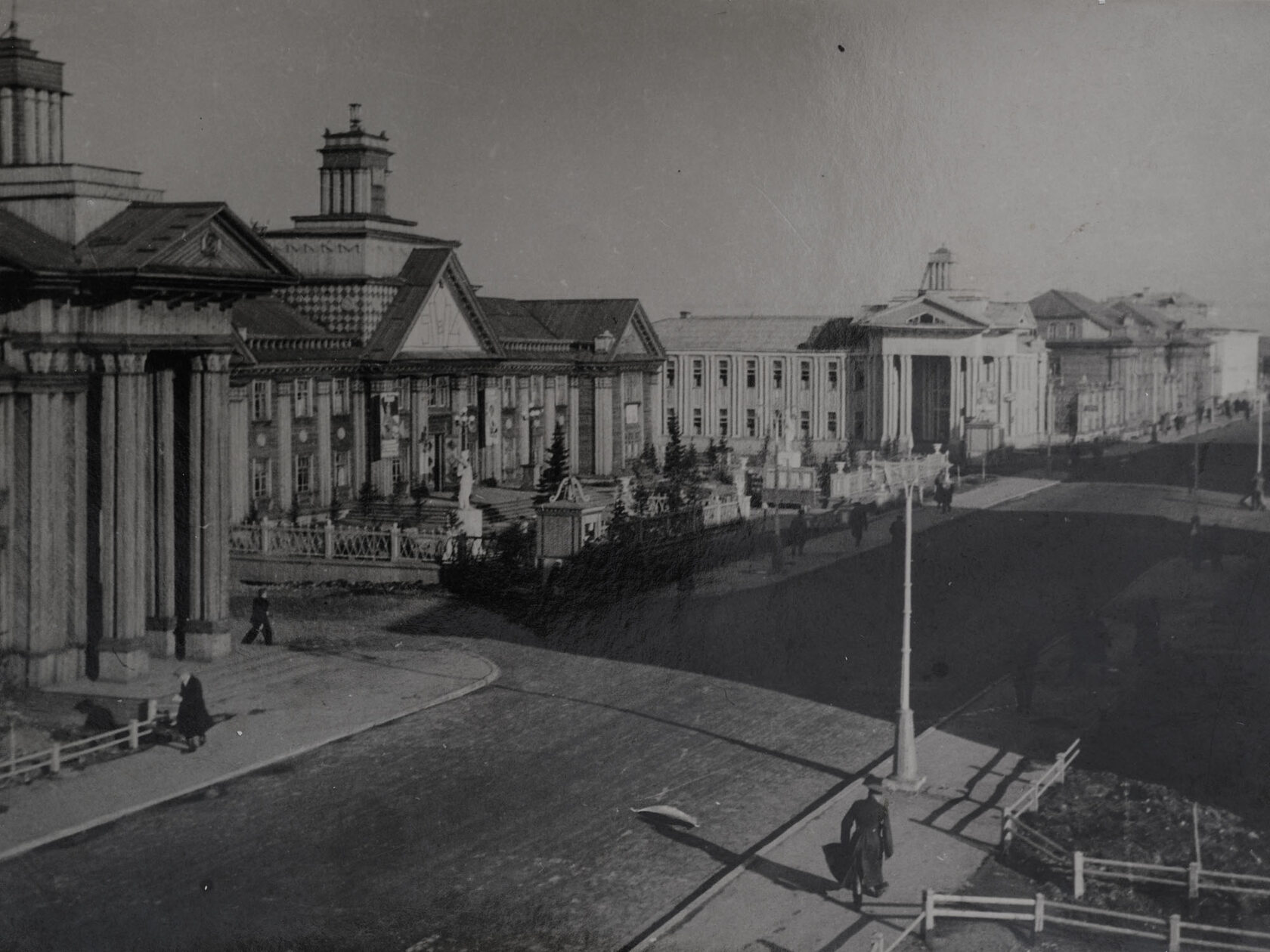
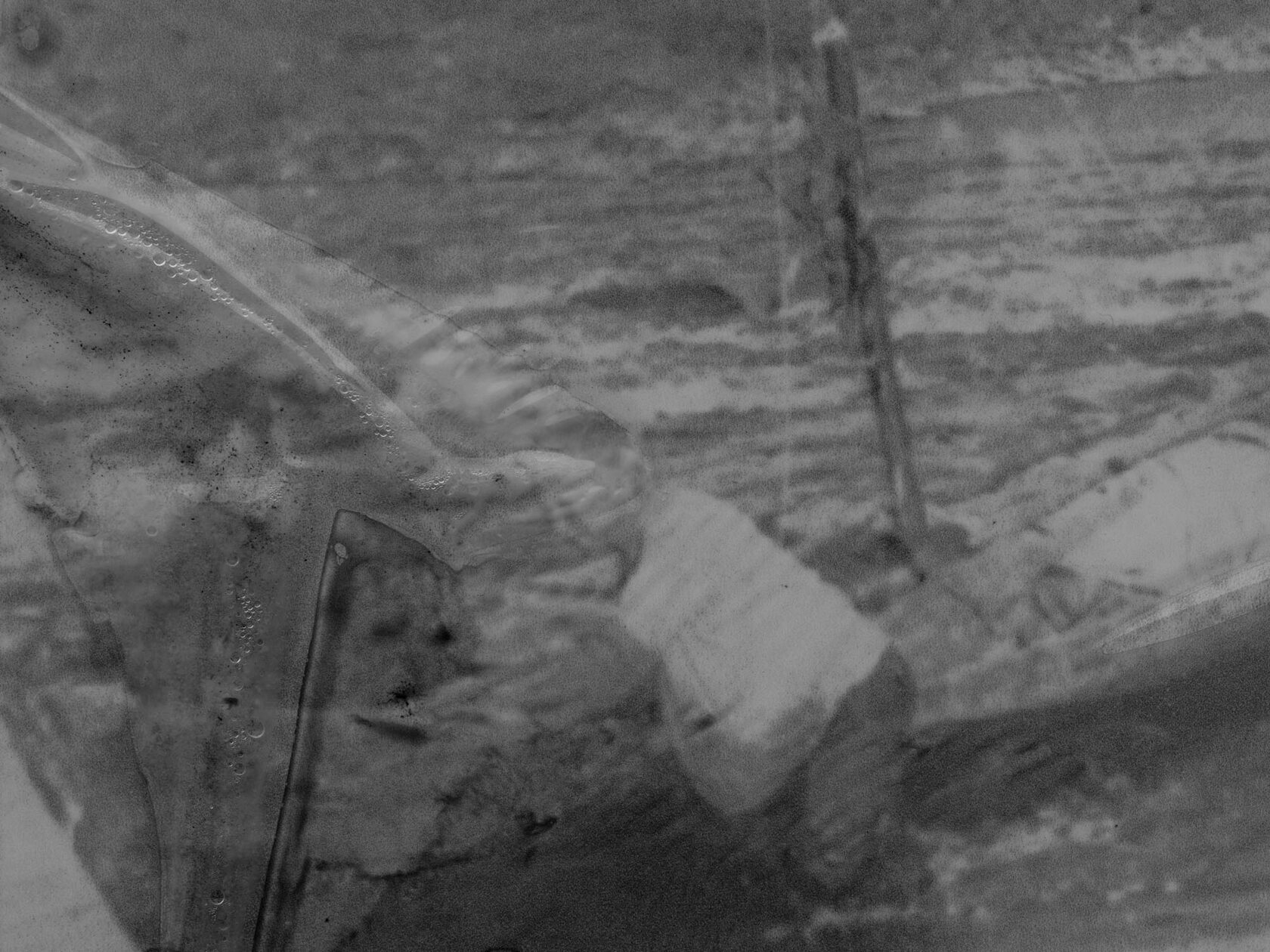
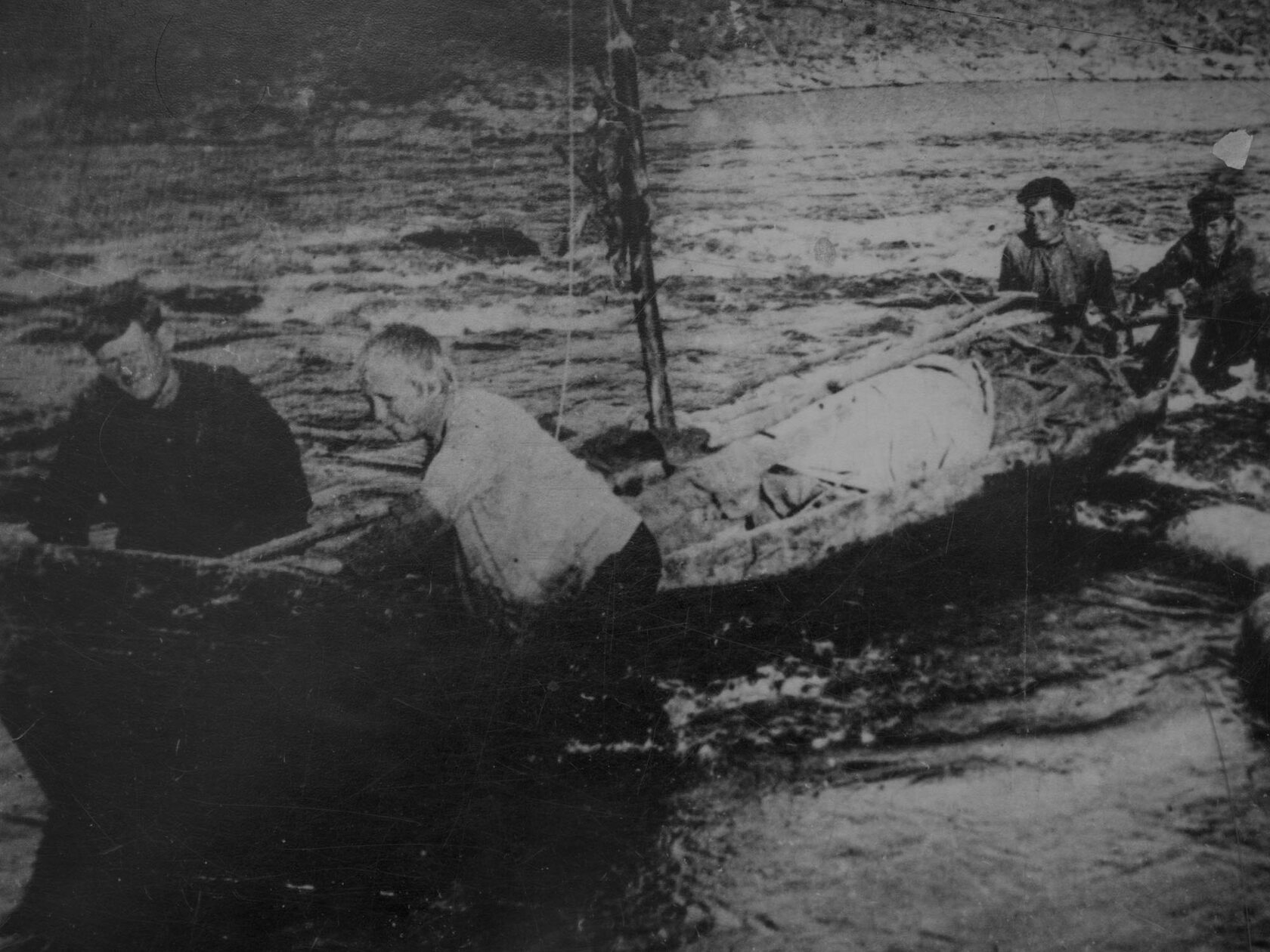
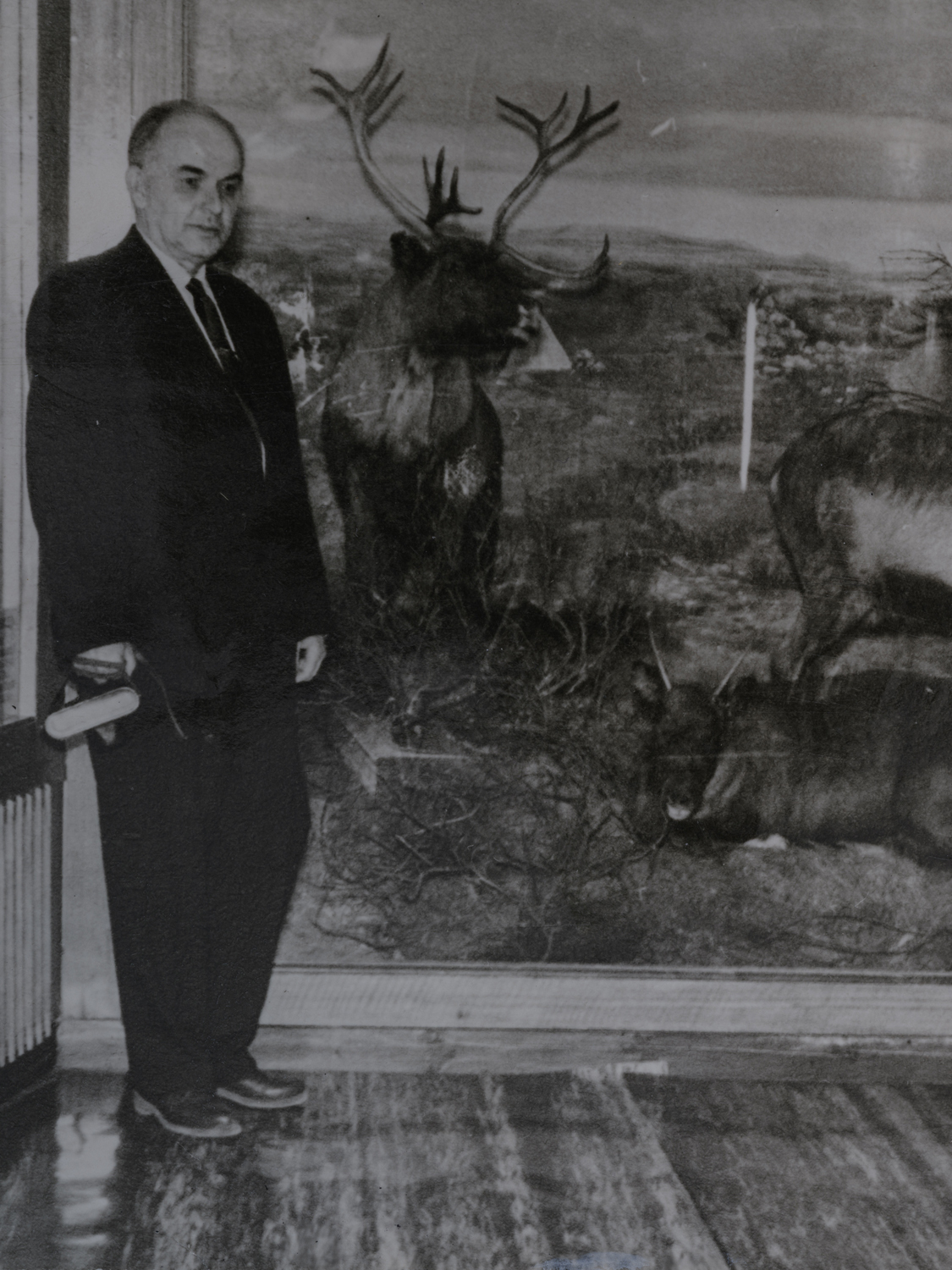
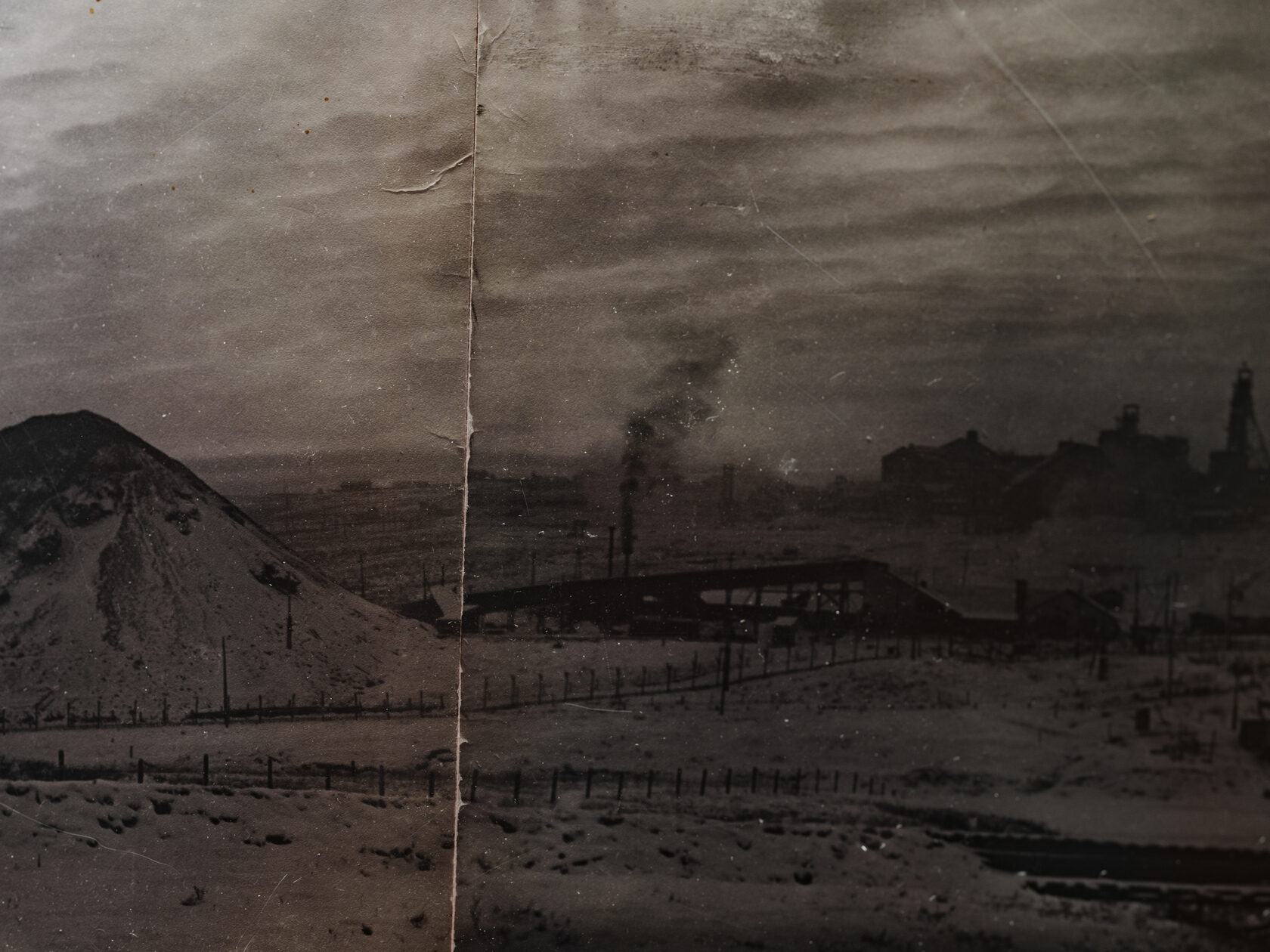
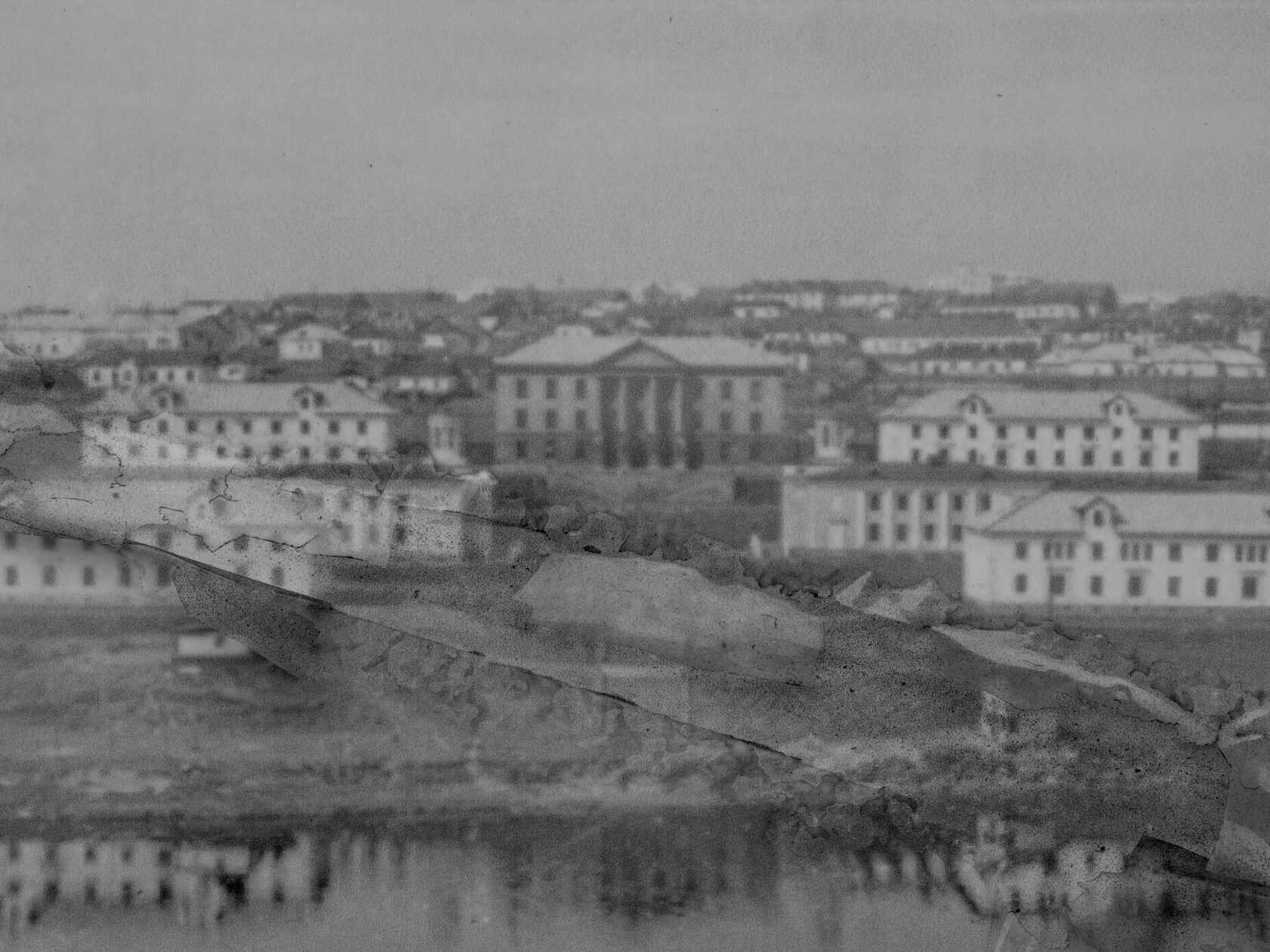
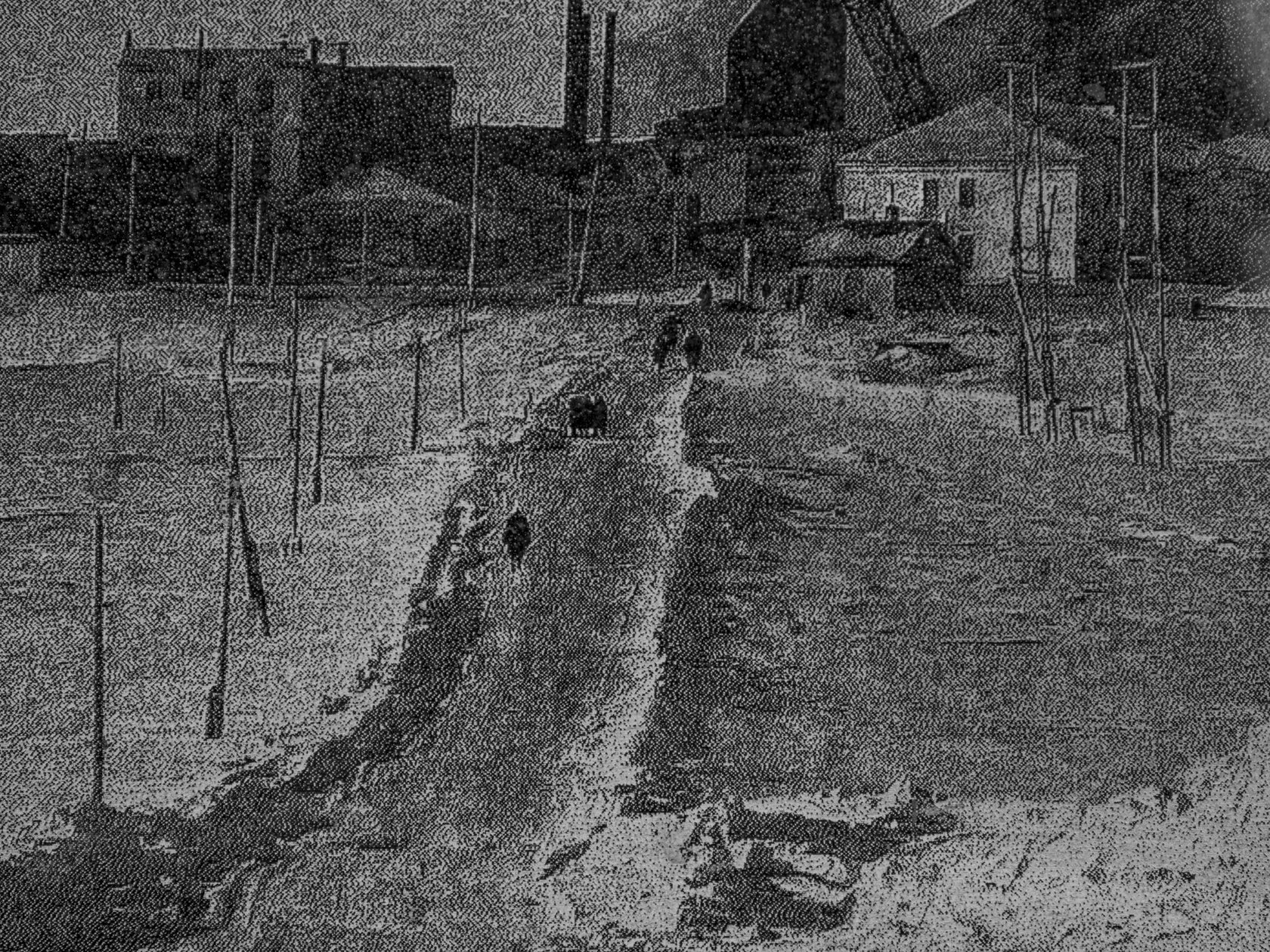
The project brings together photographs made during repeated visits and archival images sourced from museums, newspapers, private collections, abandoned buildings, and public displays. The same images recur in different contexts, altered through reproduction, new captions, physical damage, and shifting political uses. Rather than treating the archive as a coherent record of the past, Whiteout considers photographs as part of that history: unstable material objects that change over time alongside the territory they depict.
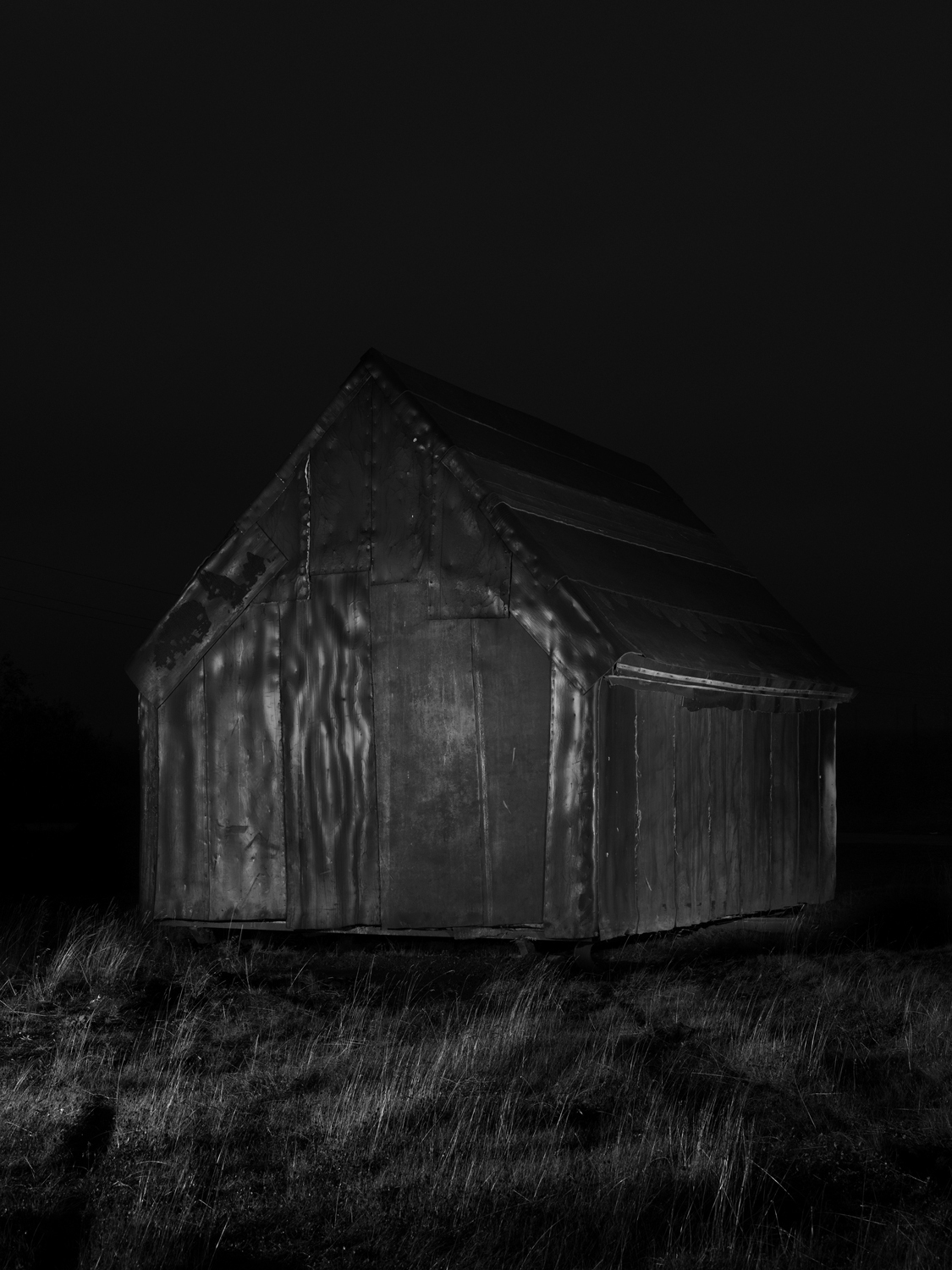
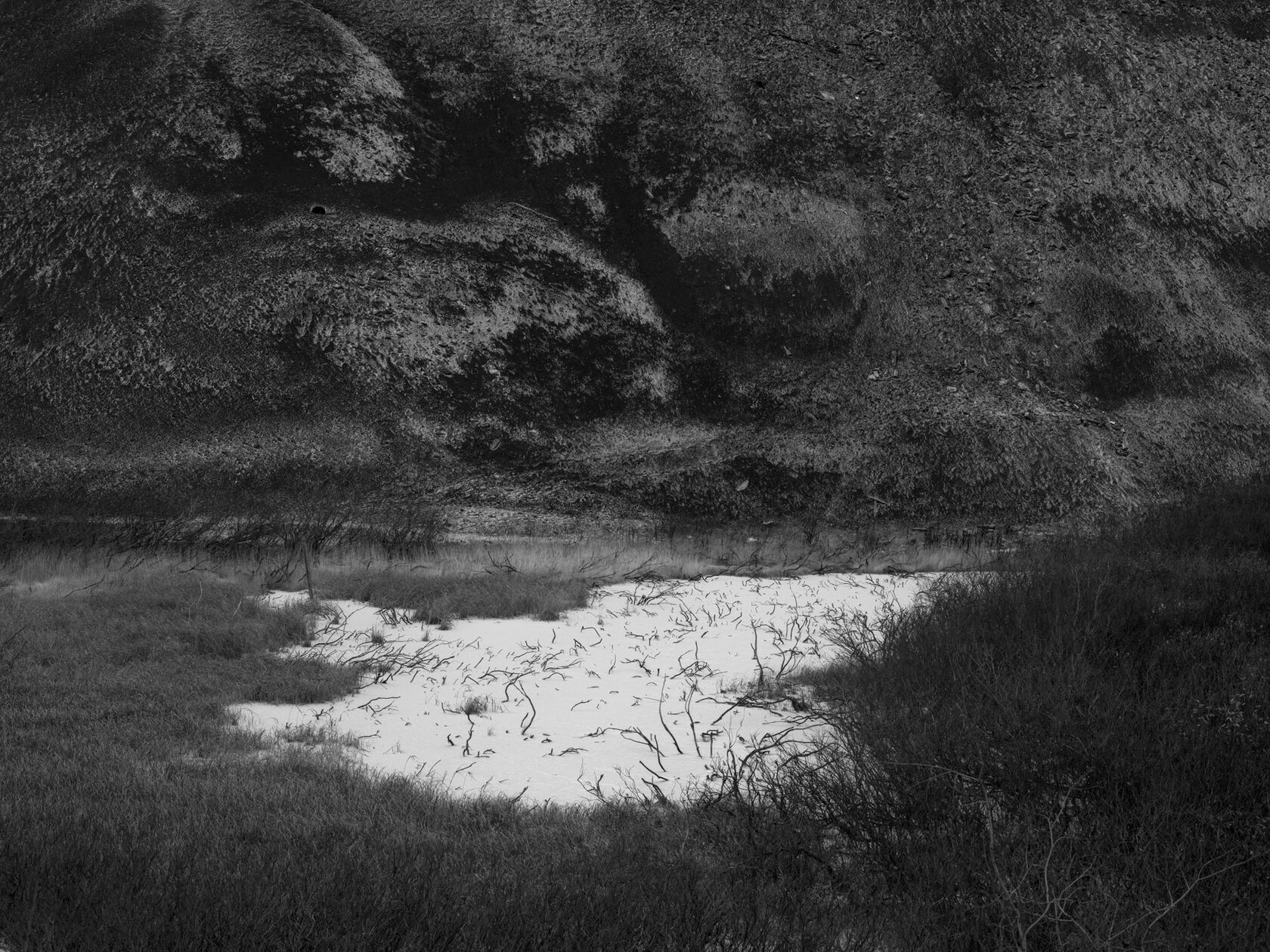
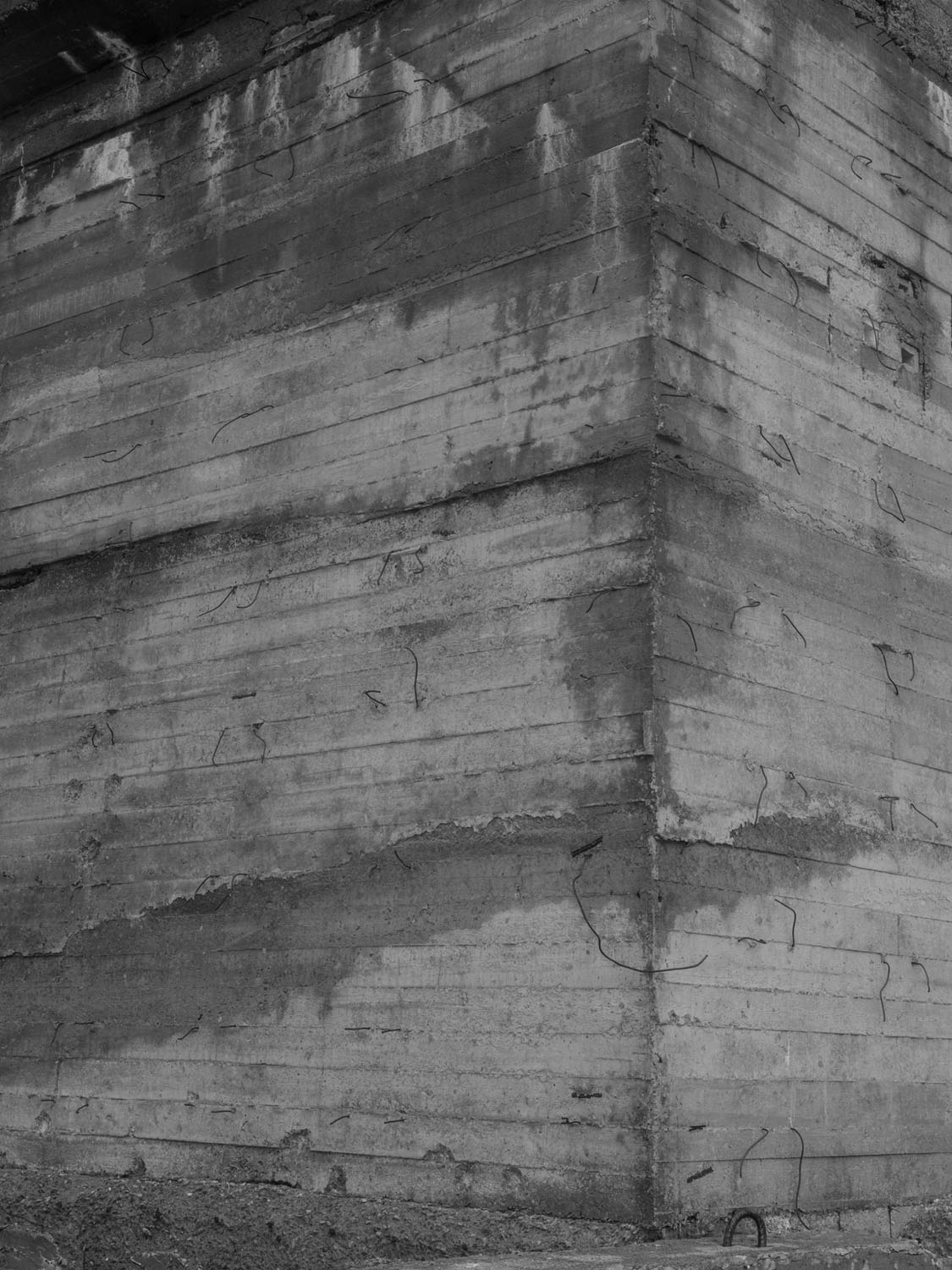
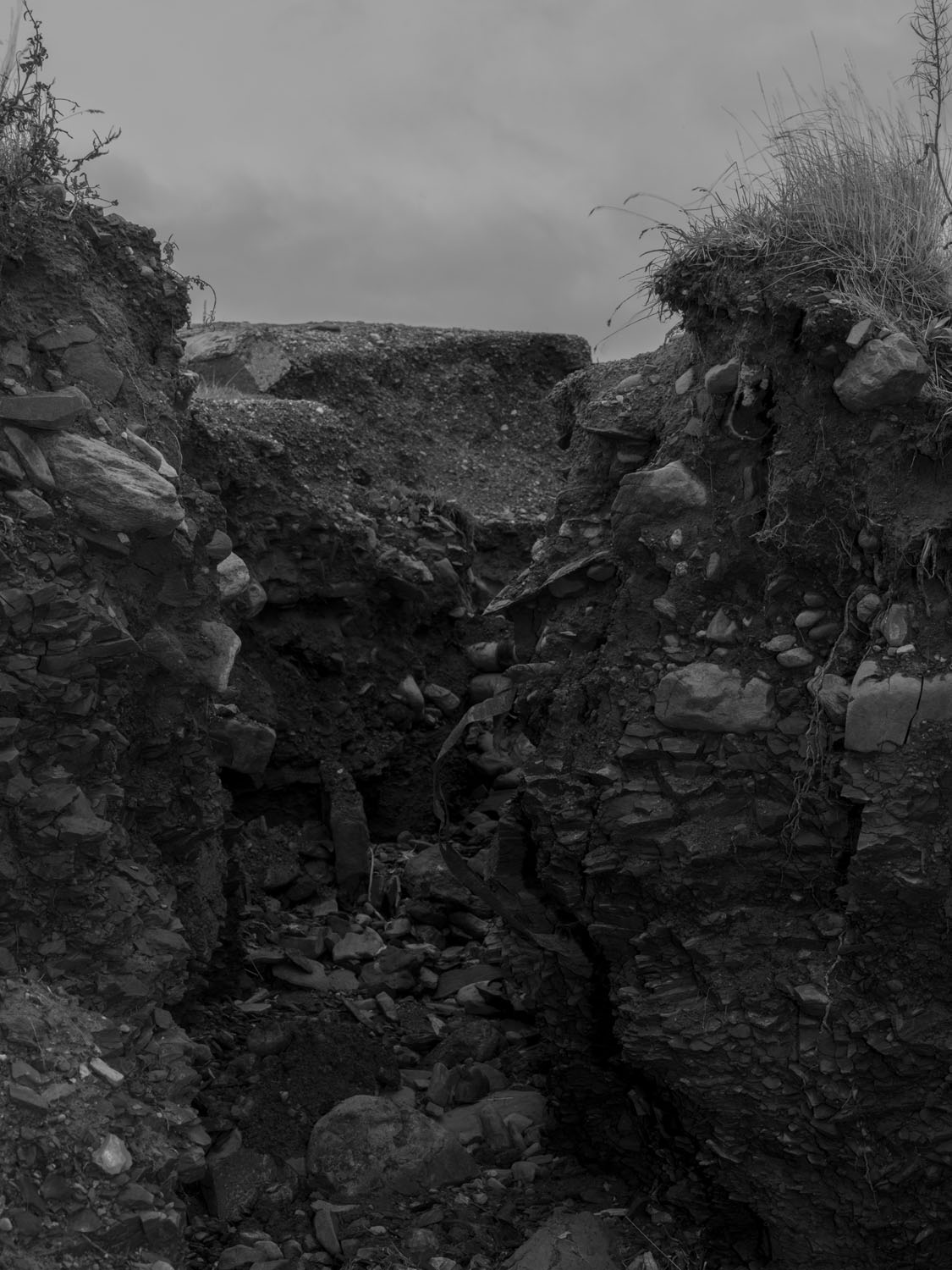
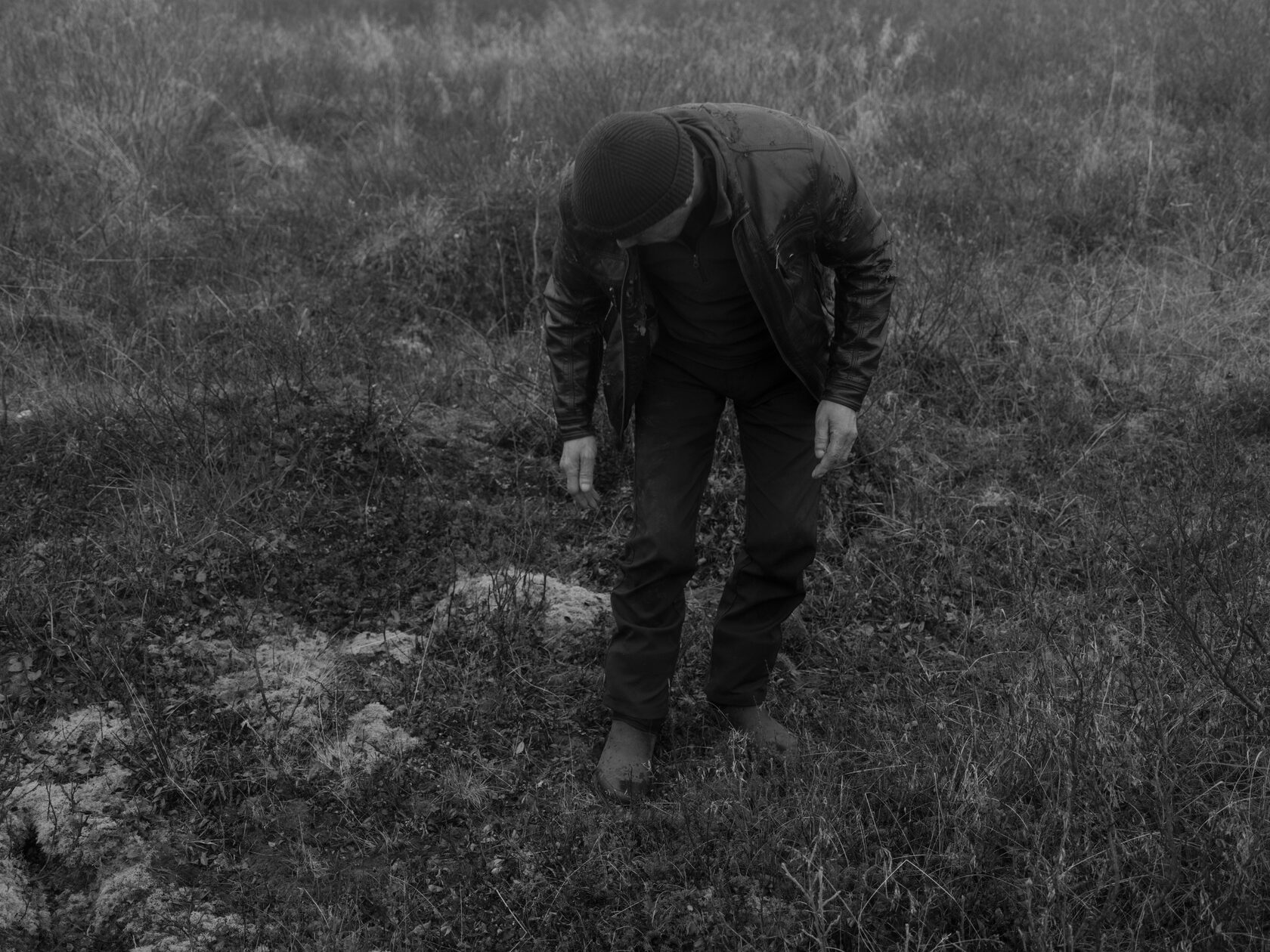
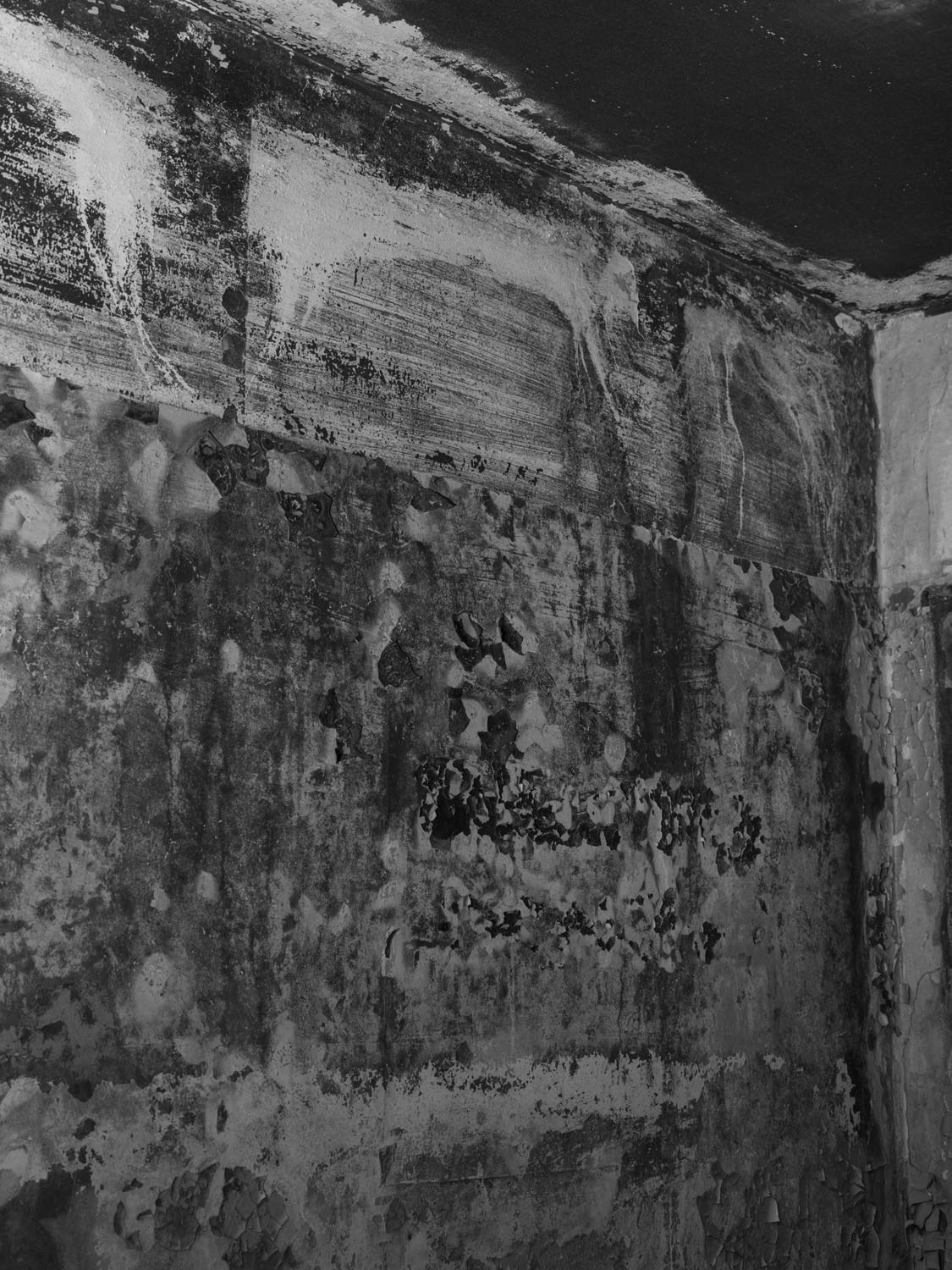
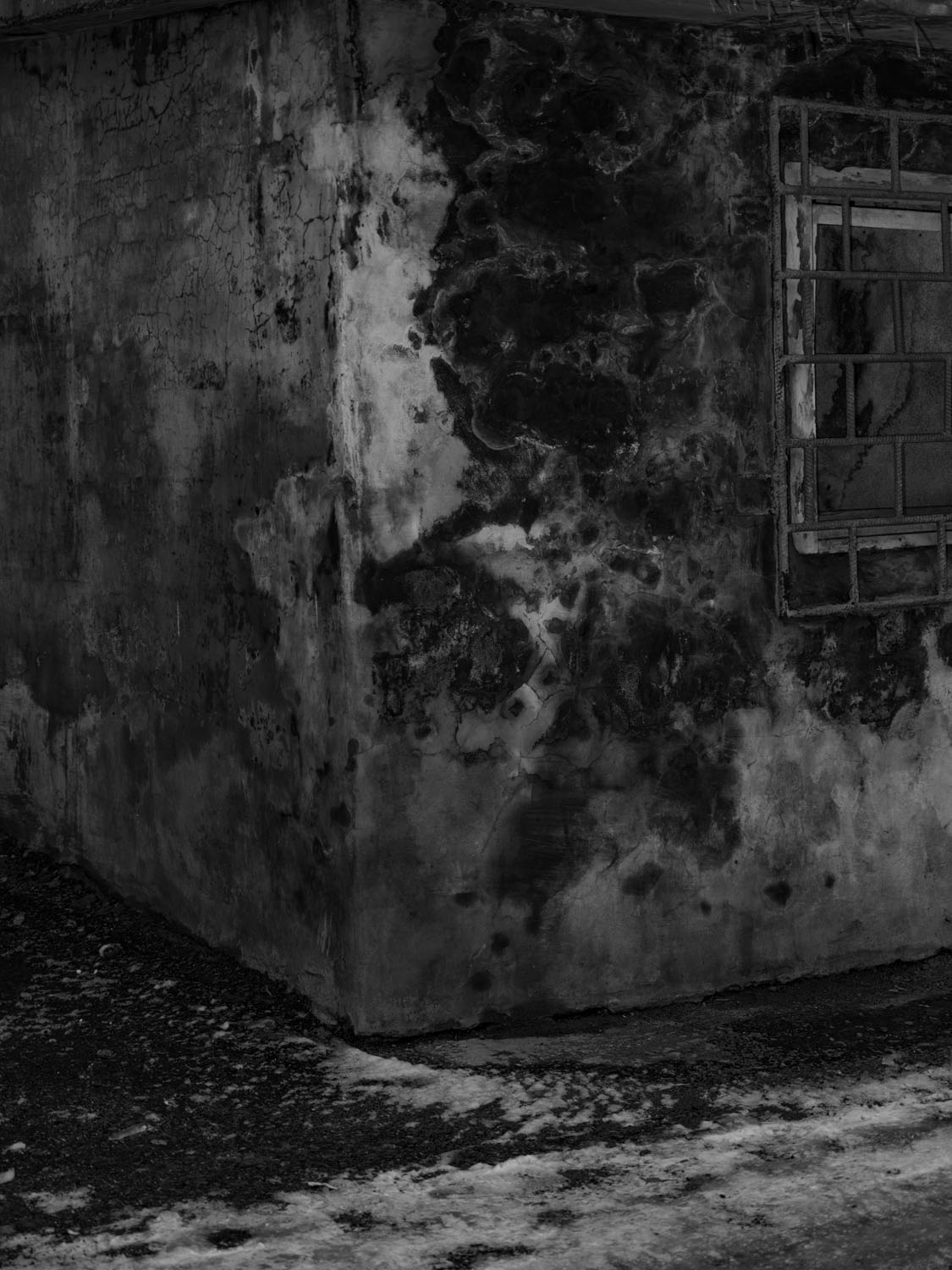
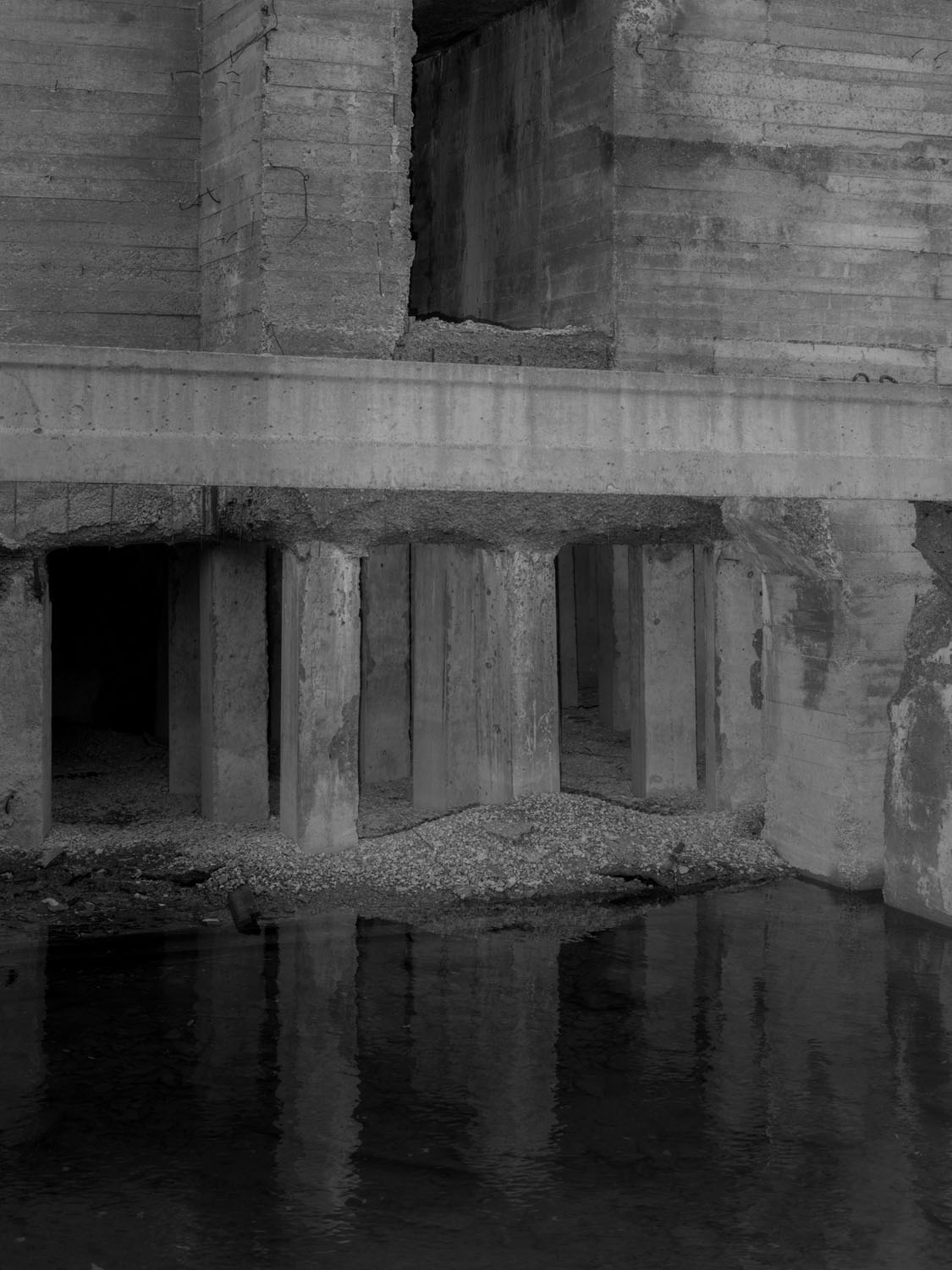
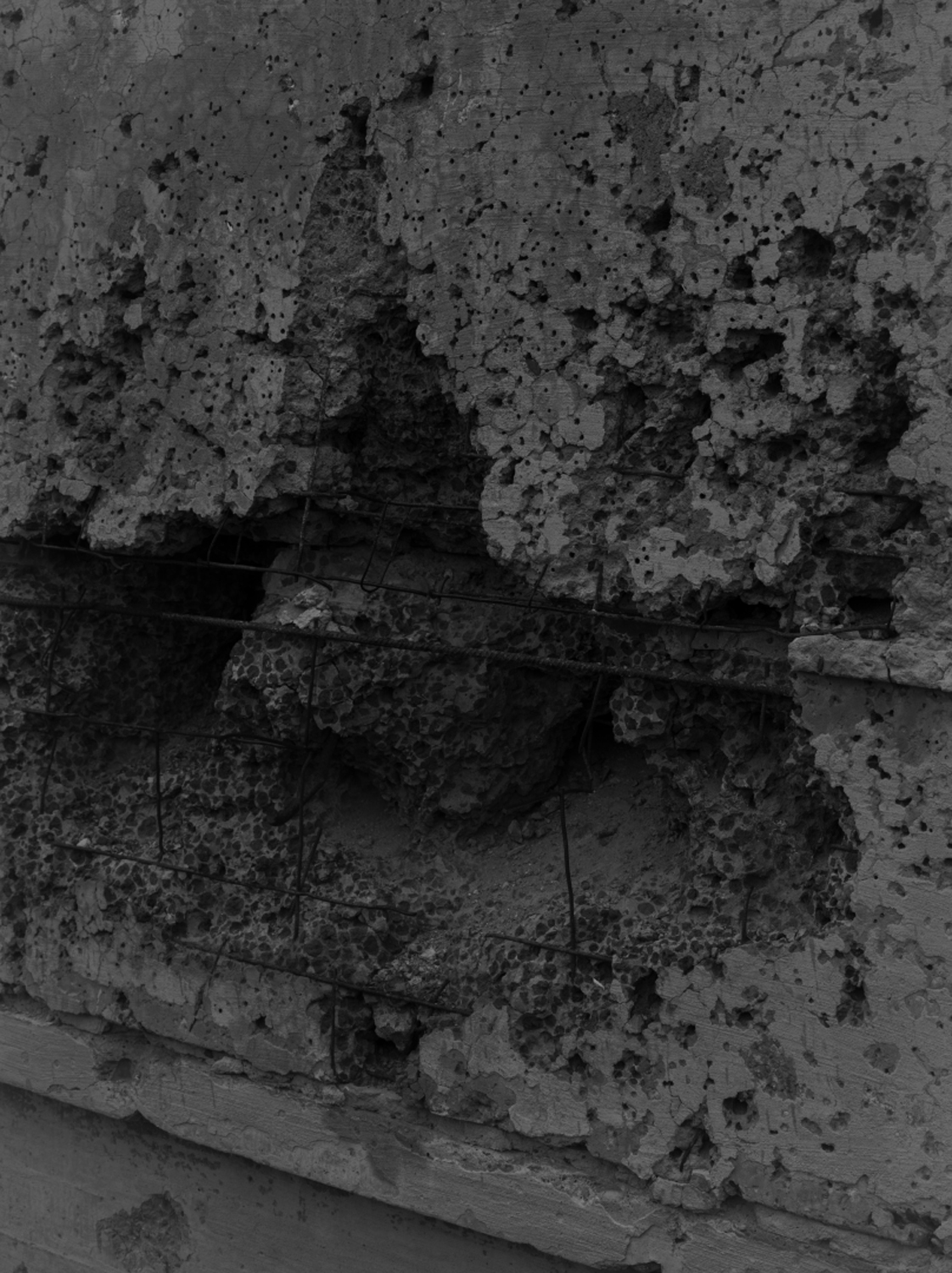
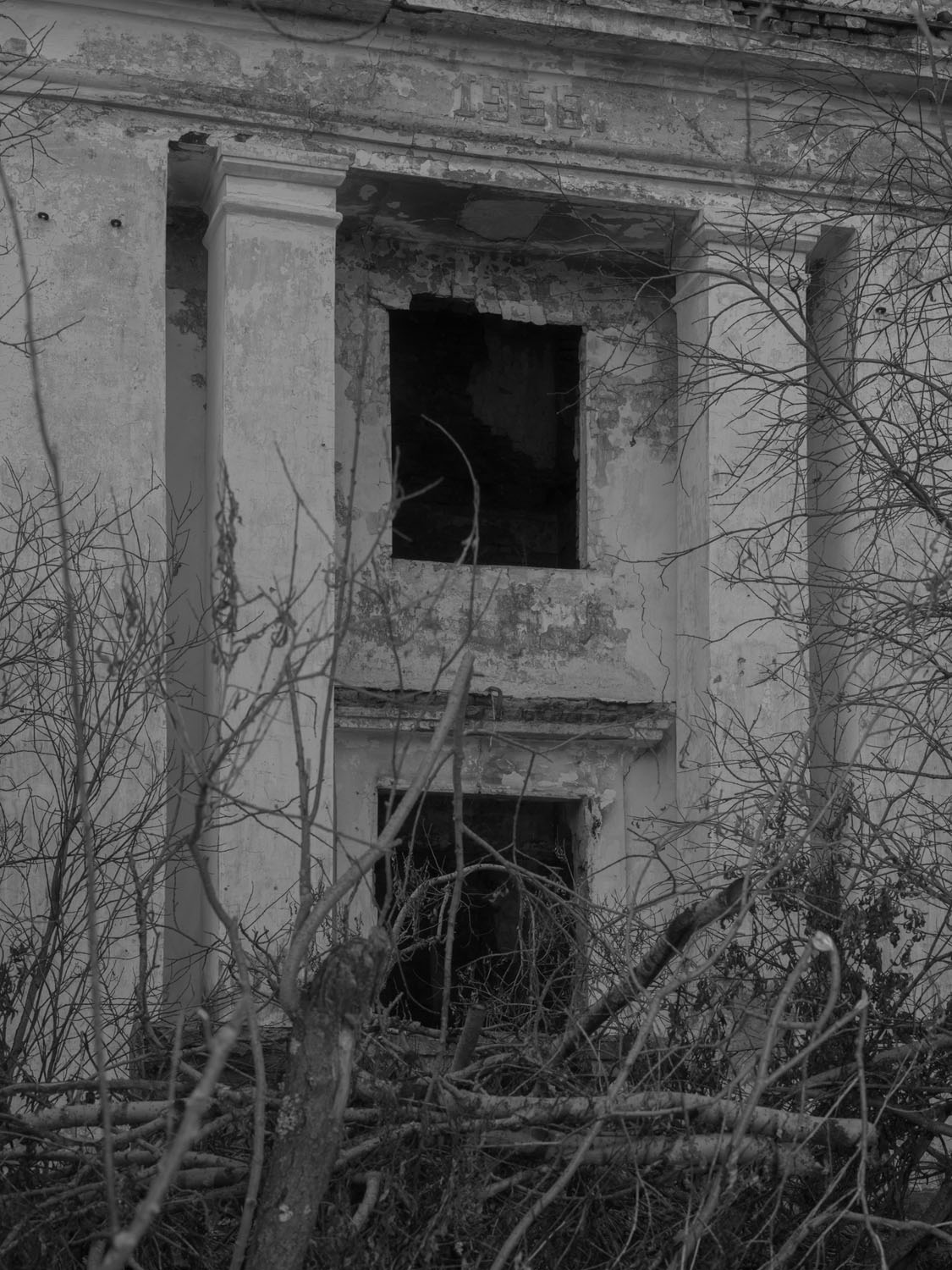
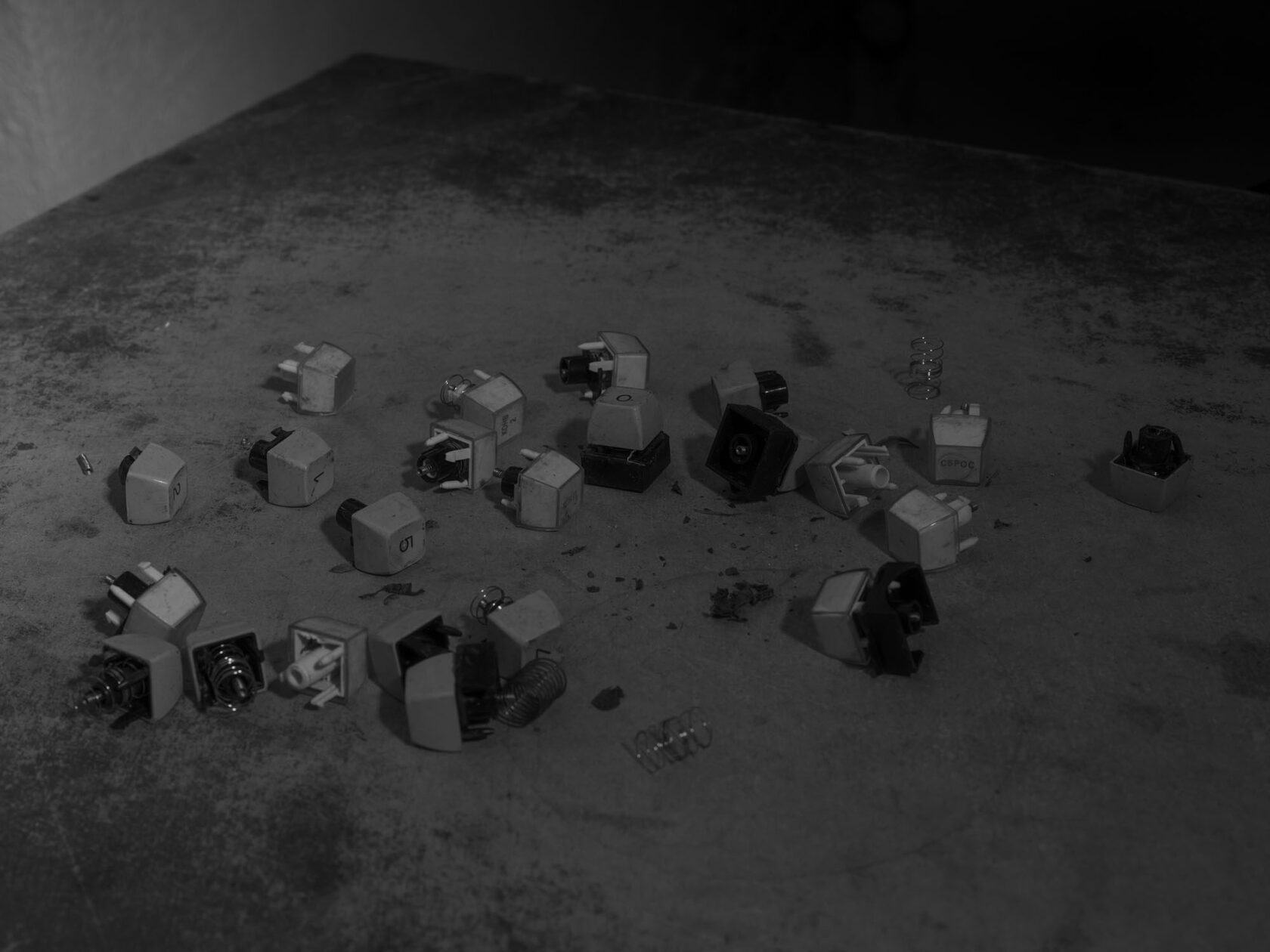
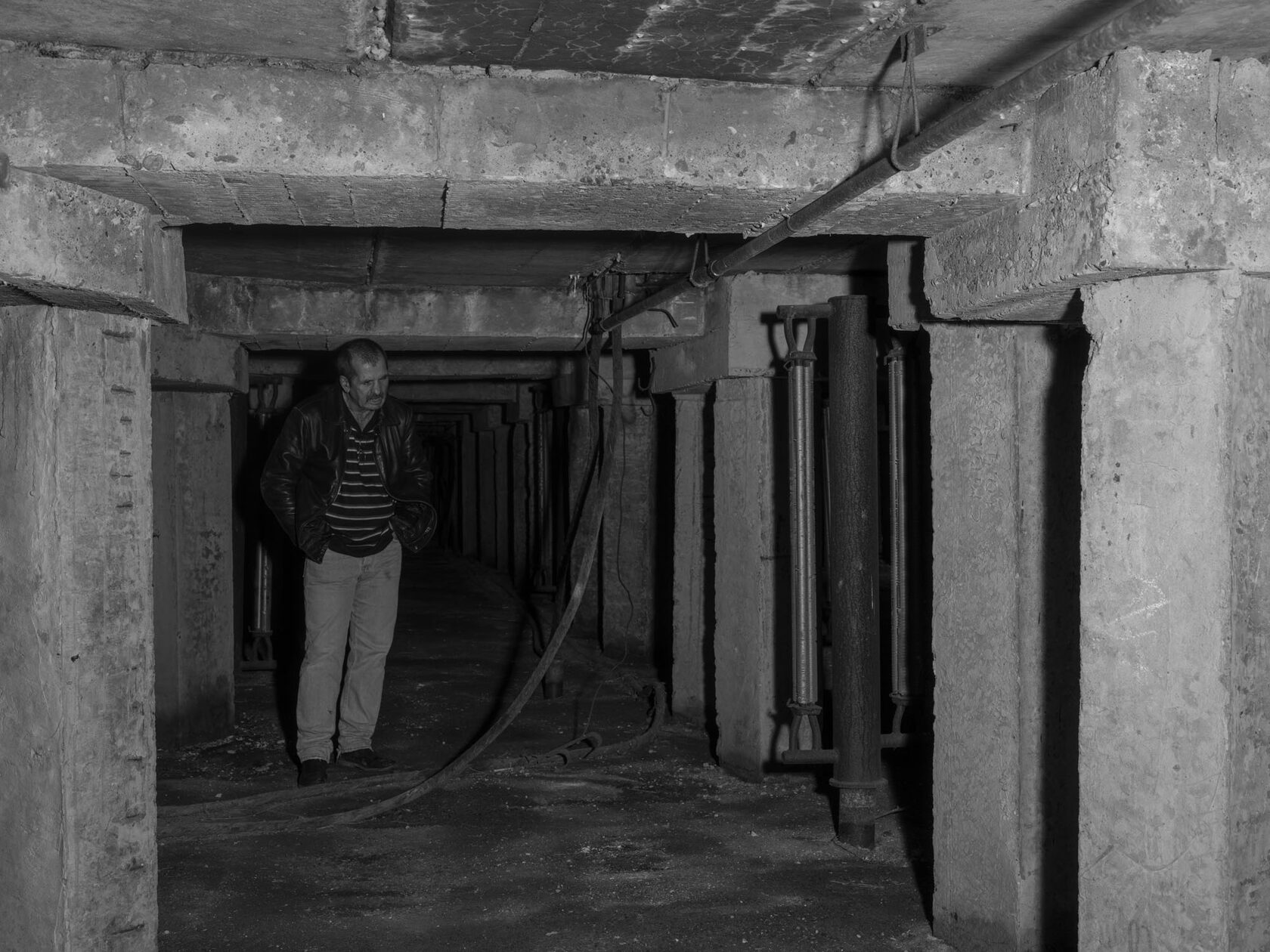
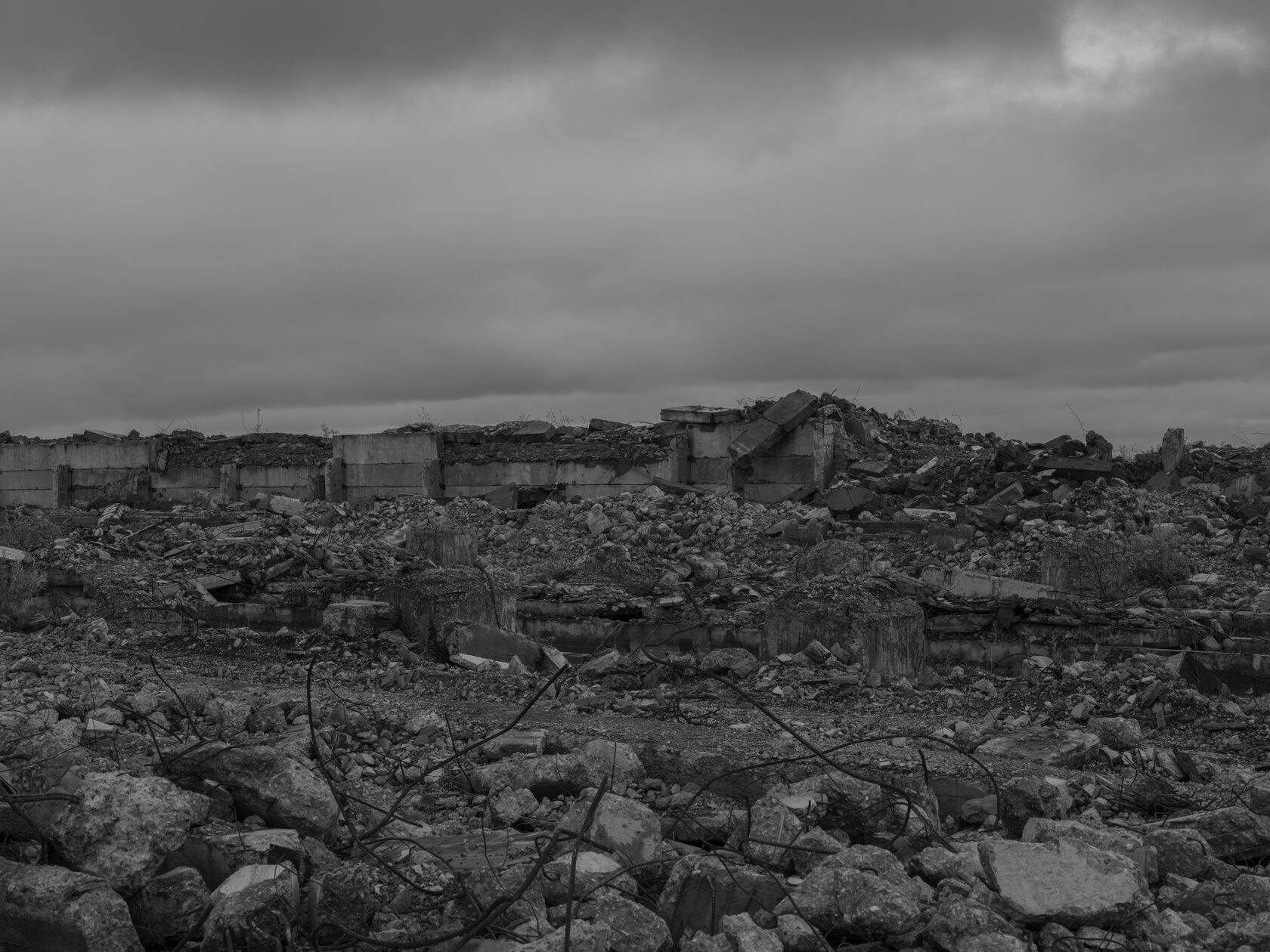
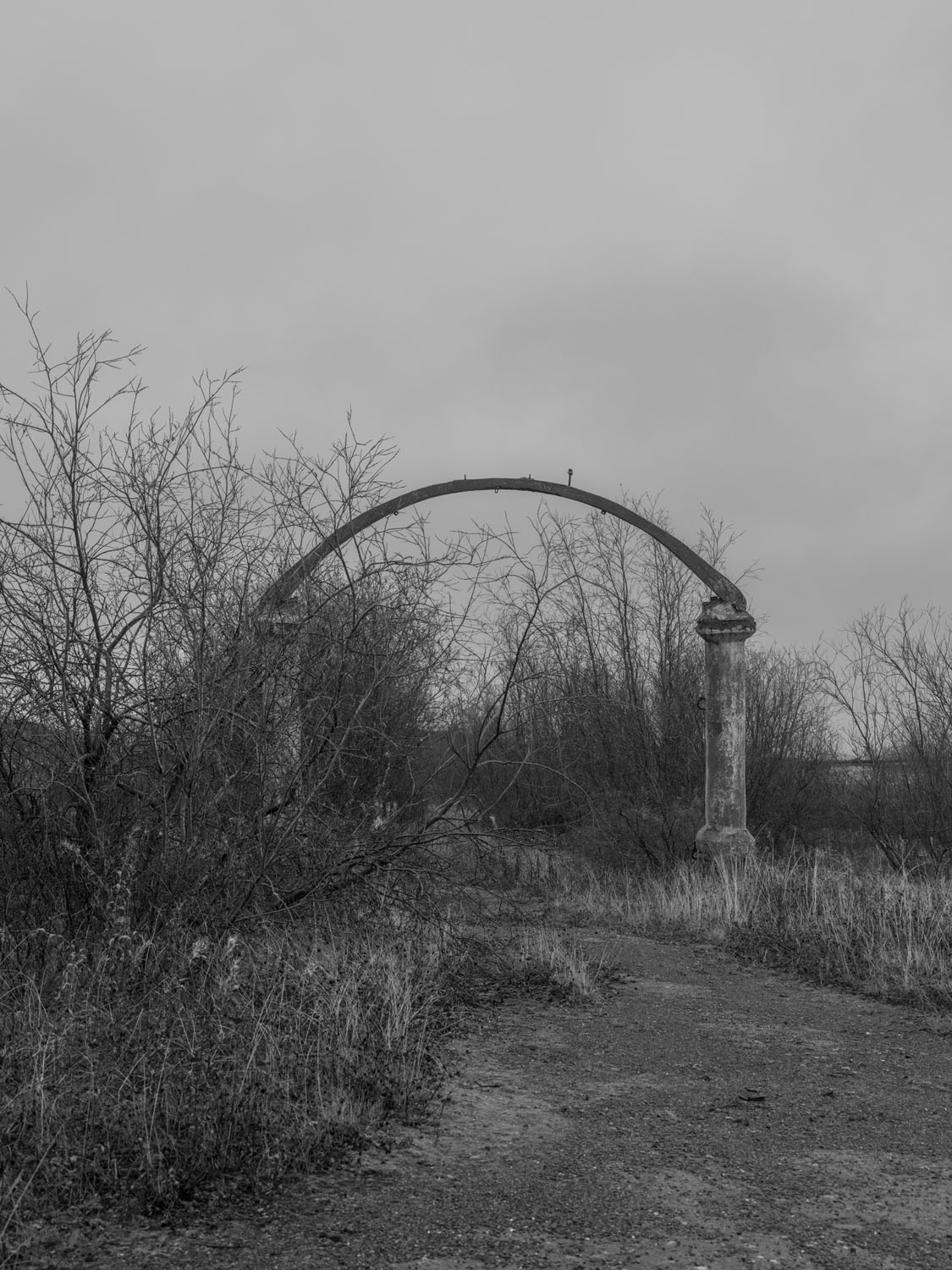
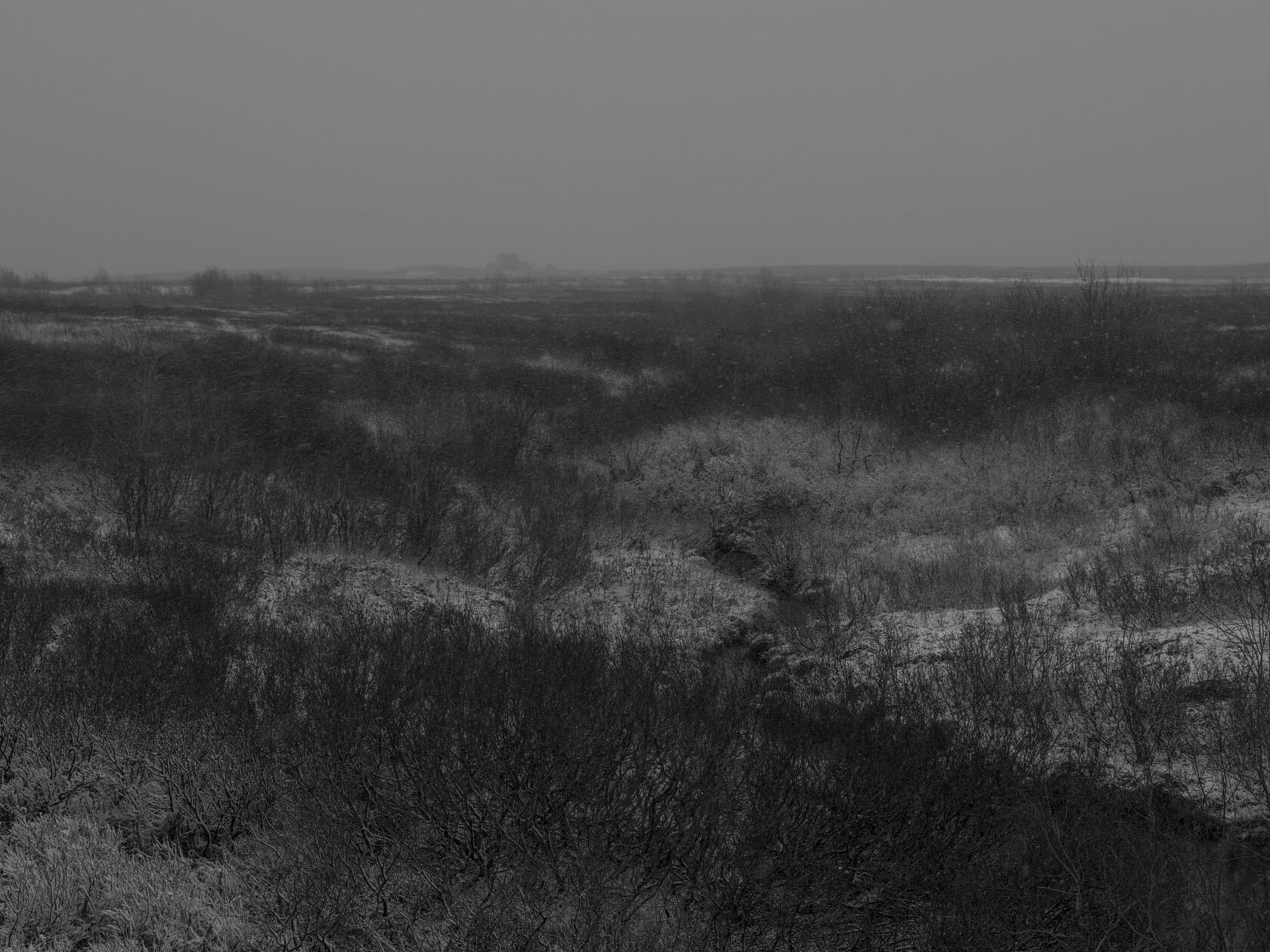
Industrial infrastructure is deteriorating, while thawing permafrost, erosion, and shifting groundwater further destabilise a landscape already transformed by human intervention. These processes do not restore an earlier balance; they deepen the consequences of extraction while gradually erasing its visible traces and the memory behind them. Through the parallel transformation of territory and image, Whiteout asks how imperial projects outlast the systems that initiated them, and how the idea of the remote frontier — as empty, expendable, and open to conquest — continues to shape ambitions both on Earth and in emerging visions of expansion beyond.
The project brings together photographs made during repeated visits and archival images sourced from museums, newspapers, private collections, abandoned buildings, and public displays. The same images recur in different contexts, altered through reproduction, new captions, physical damage, and shifting political uses. Rather than treating the archive as a coherent record of the past, Whiteout considers photographs as part of that history: unstable material objects that change over time alongside the territory they depict.
Industrial infrastructure is deteriorating, while thawing permafrost, erosion, and shifting groundwater further destabilise a landscape already transformed by human intervention. These processes do not restore an earlier balance; they deepen the consequences of extraction while gradually erasing its visible traces and the memory behind them. Through the parallel transformation of territory and image, Whiteout asks how imperial projects outlast the systems that initiated them, and how the idea of the remote frontier — as empty, expendable, and open to conquest — continues to shape ambitions both on Earth and in emerging visions of expansion beyond.
Whiteout is a long-term photographic project that traces the aftermath of industrial expansion in the Arctic. It focuses on a territory transformed by coal mining, forced labour, and Soviet industrial planning, asking what remains when the resource that justified this occupation loses its value, while the people and the landscape continue to bear its consequences.
The project brings together photographs made during repeated visits and archival images sourced from museums, newspapers, private collections, abandoned buildings, and public displays. The same images recur in different contexts, altered through reproduction, new captions, physical damage, and shifting political uses. Rather than treating the archive as a coherent record of the past, Whiteout considers photographs as part of that history: unstable material objects that change over time alongside the territory they depict.
Industrial infrastructure is deteriorating, while thawing permafrost, erosion, and shifting groundwater further destabilise a landscape already transformed by human intervention. These processes do not restore an earlier balance; they deepen the consequences of extraction while gradually erasing its visible traces and the memory behind them. Through the parallel transformation of territory and image, Whiteout asks how imperial projects outlast the systems that initiated them, and how the idea of the remote frontier — as empty, expendable, and open to conquest — continues to shape ambitions both on Earth and in emerging visions of expansion beyond.
The project brings together photographs made during repeated visits and archival images sourced from museums, newspapers, private collections, abandoned buildings, and public displays. The same images recur in different contexts, altered through reproduction, new captions, physical damage, and shifting political uses. Rather than treating the archive as a coherent record of the past, Whiteout considers photographs as part of that history: unstable material objects that change over time alongside the territory they depict.
Industrial infrastructure is deteriorating, while thawing permafrost, erosion, and shifting groundwater further destabilise a landscape already transformed by human intervention. These processes do not restore an earlier balance; they deepen the consequences of extraction while gradually erasing its visible traces and the memory behind them. Through the parallel transformation of territory and image, Whiteout asks how imperial projects outlast the systems that initiated them, and how the idea of the remote frontier — as empty, expendable, and open to conquest — continues to shape ambitions both on Earth and in emerging visions of expansion beyond.