
Beyond the Upper Margin. Chapter I
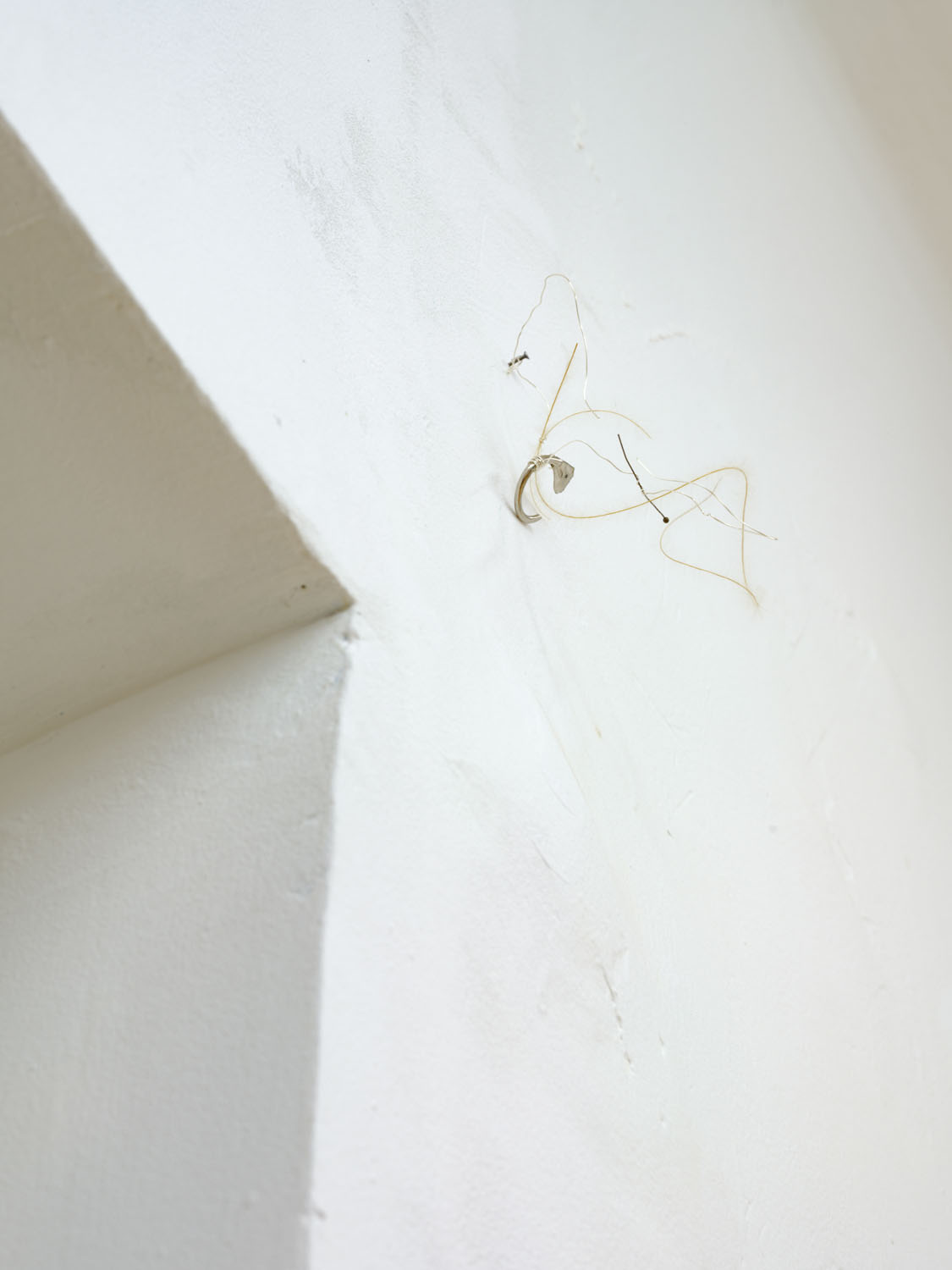
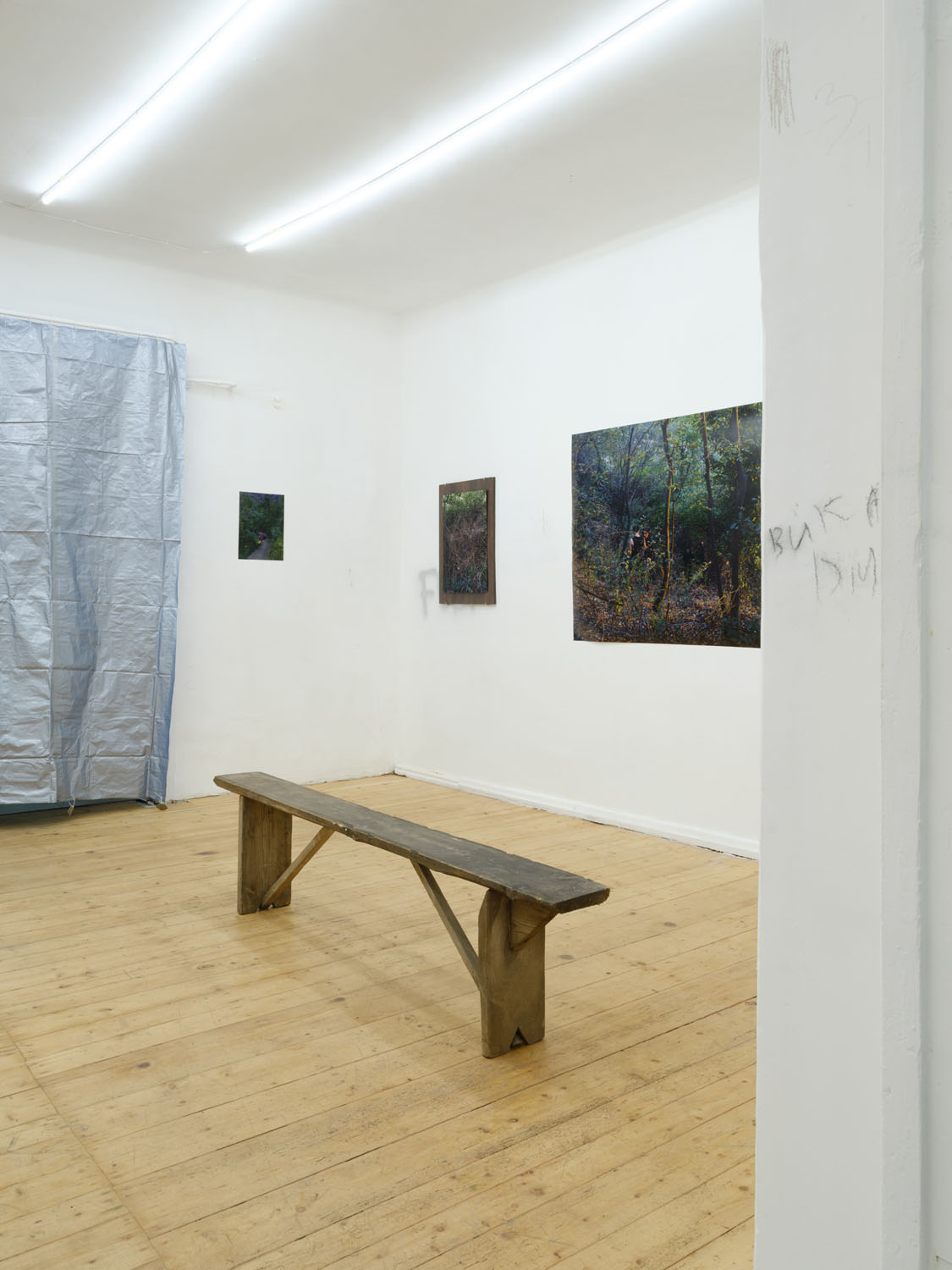
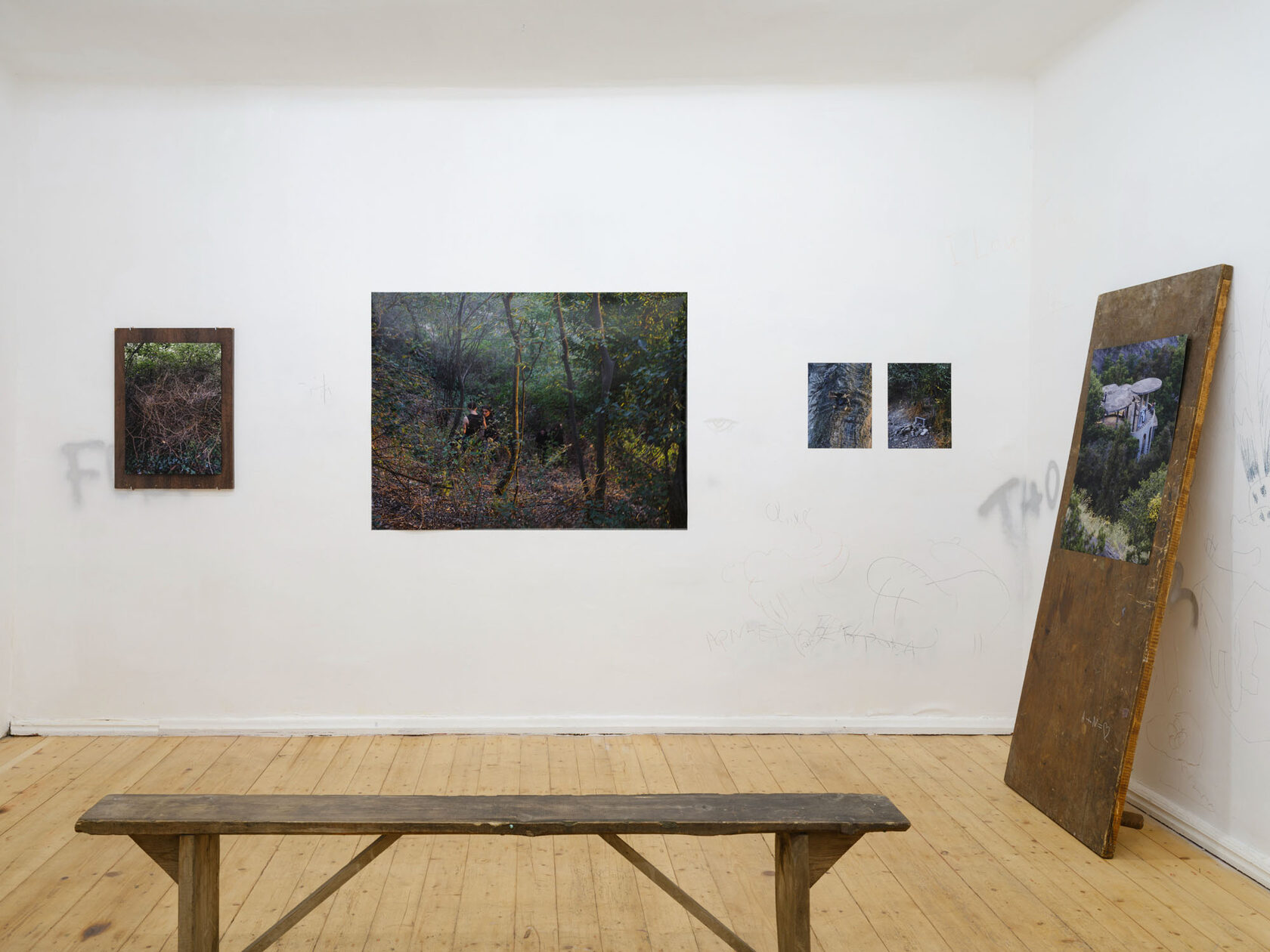
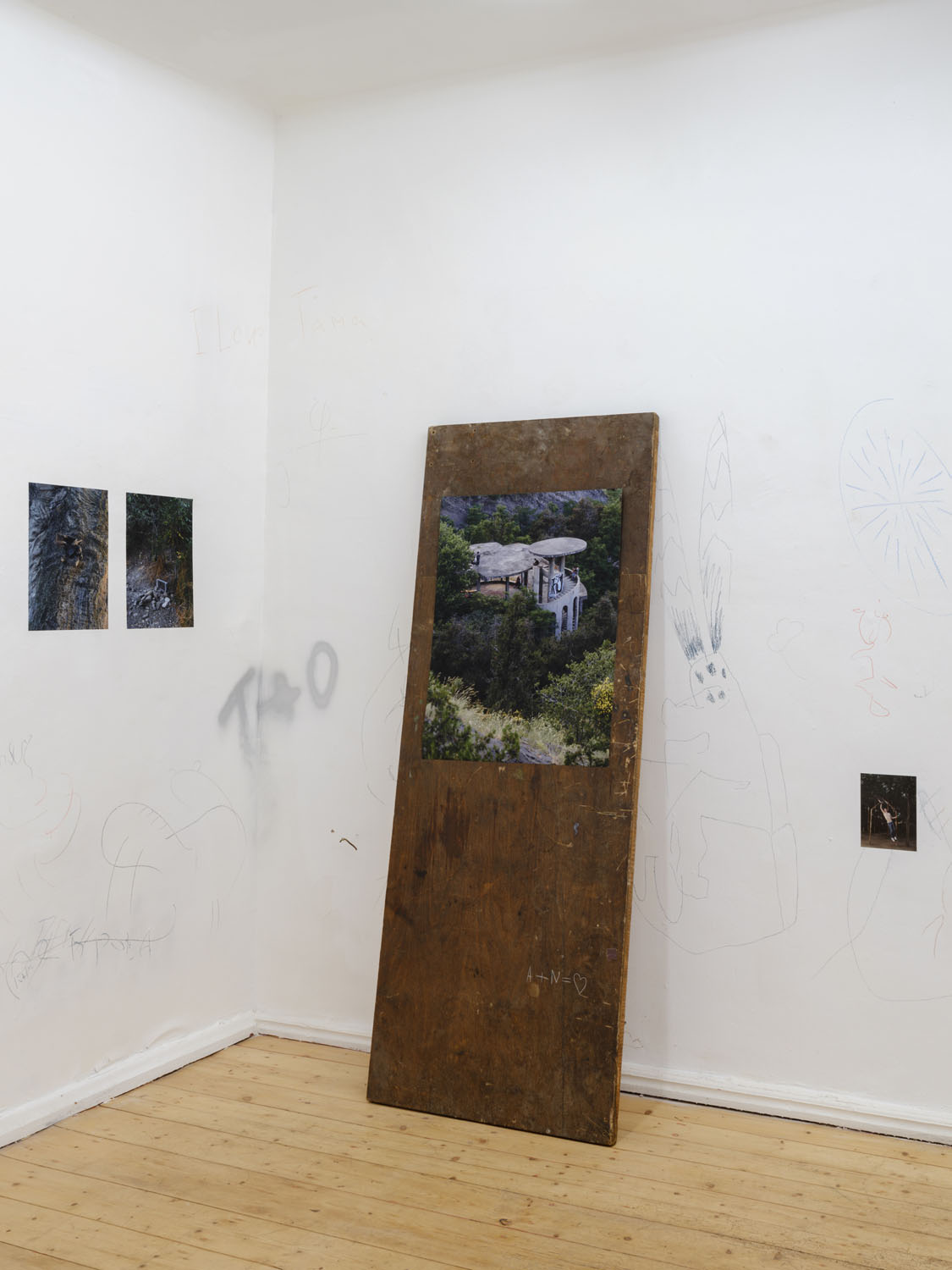
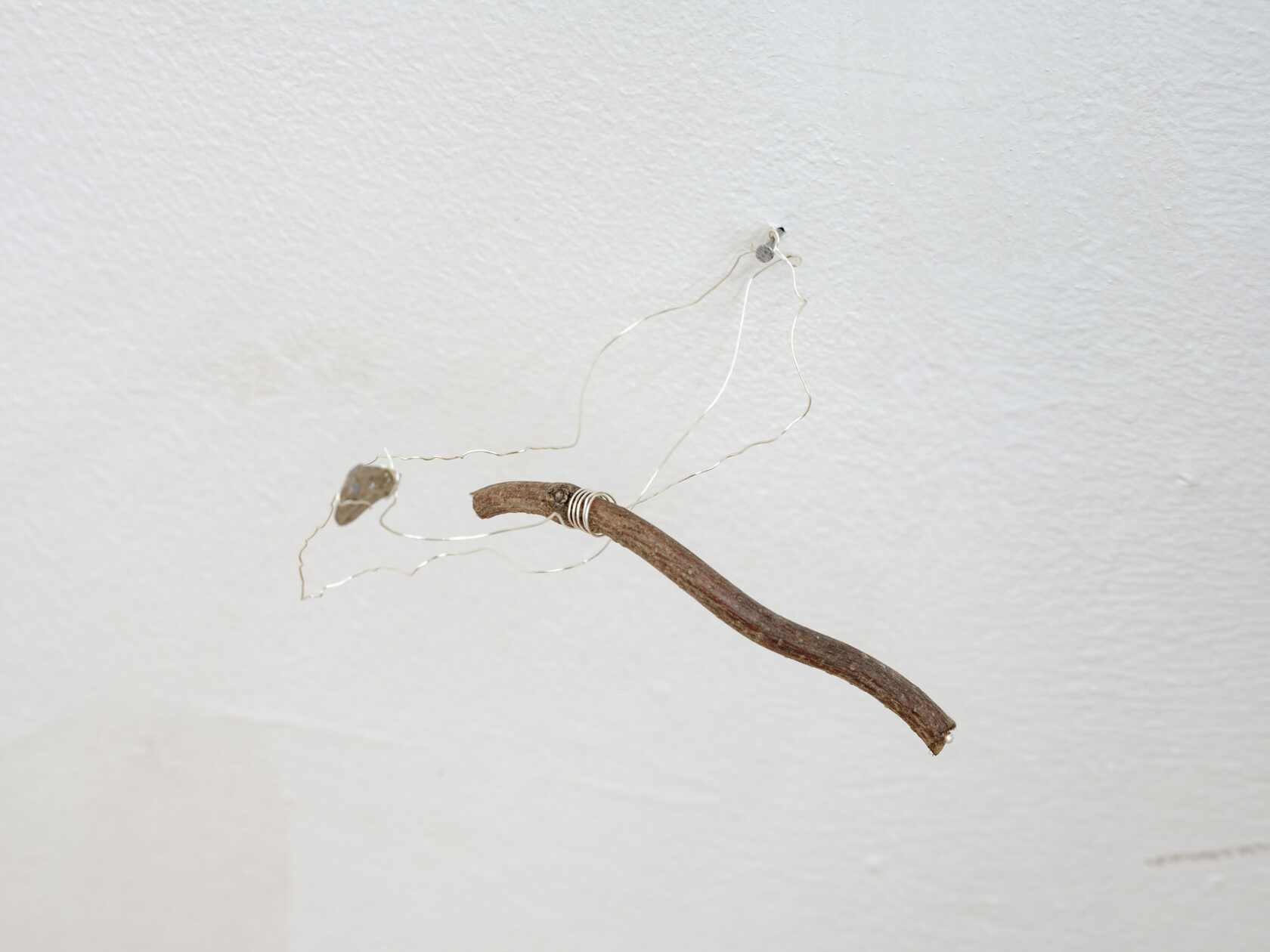
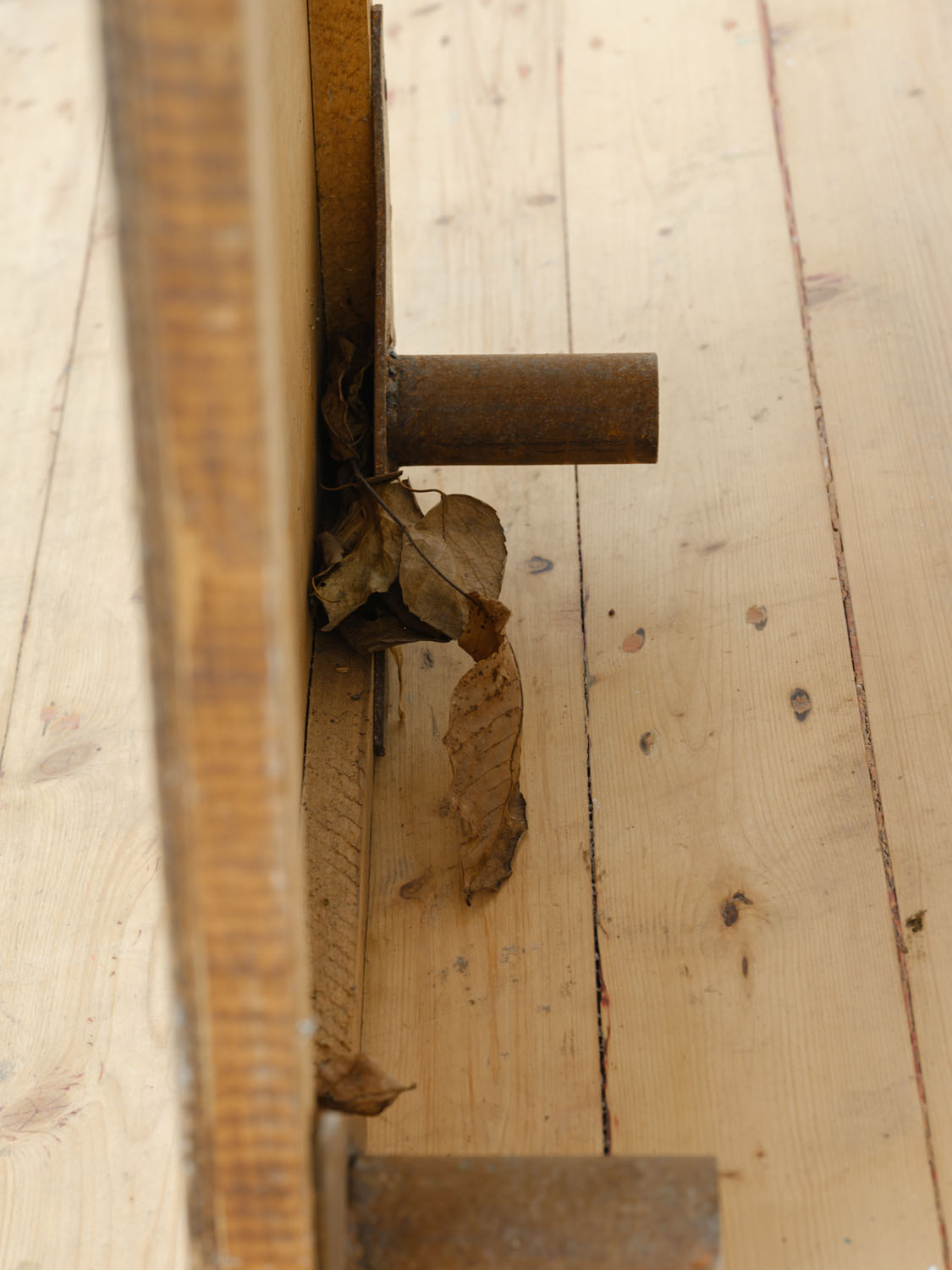
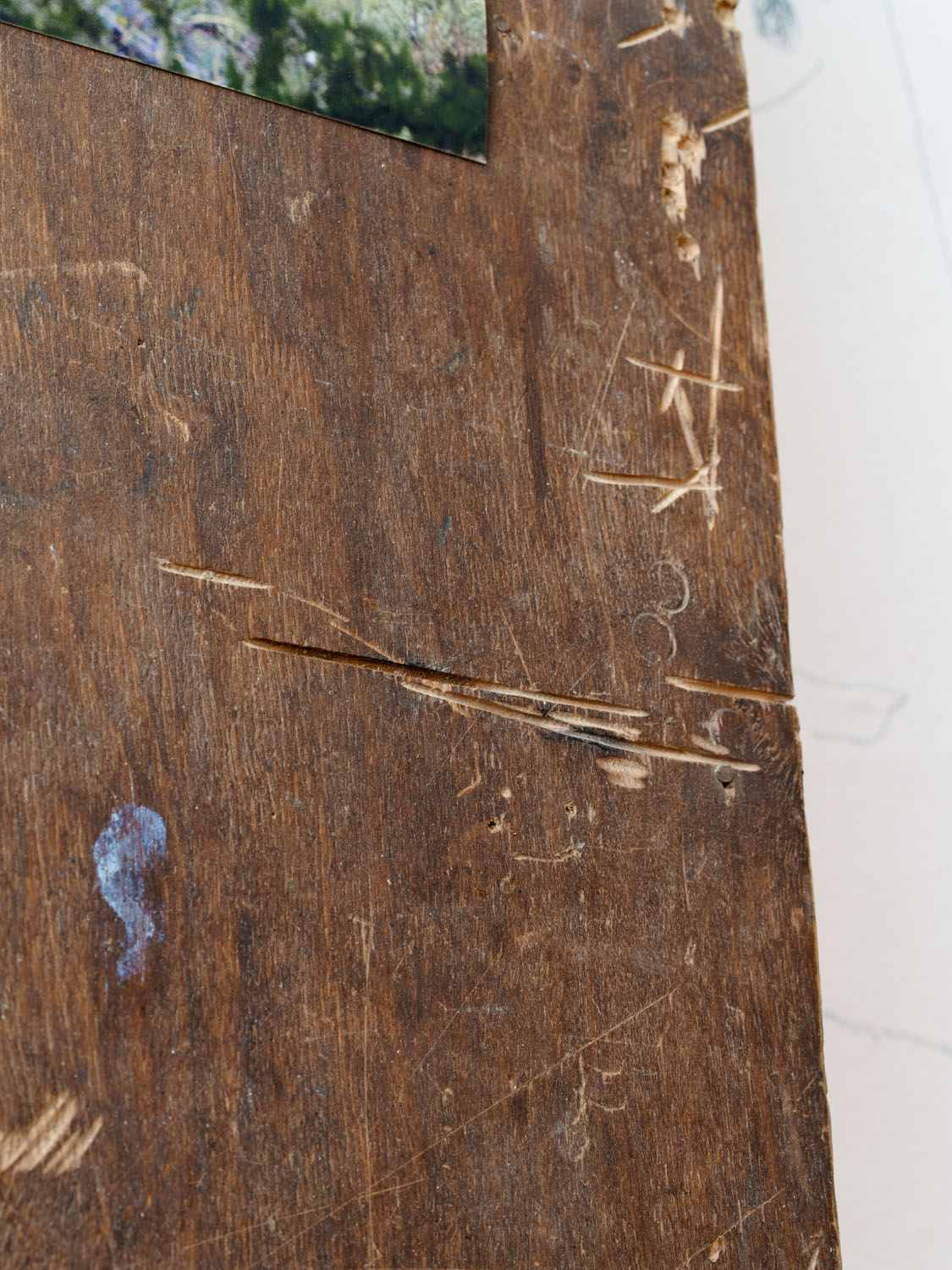
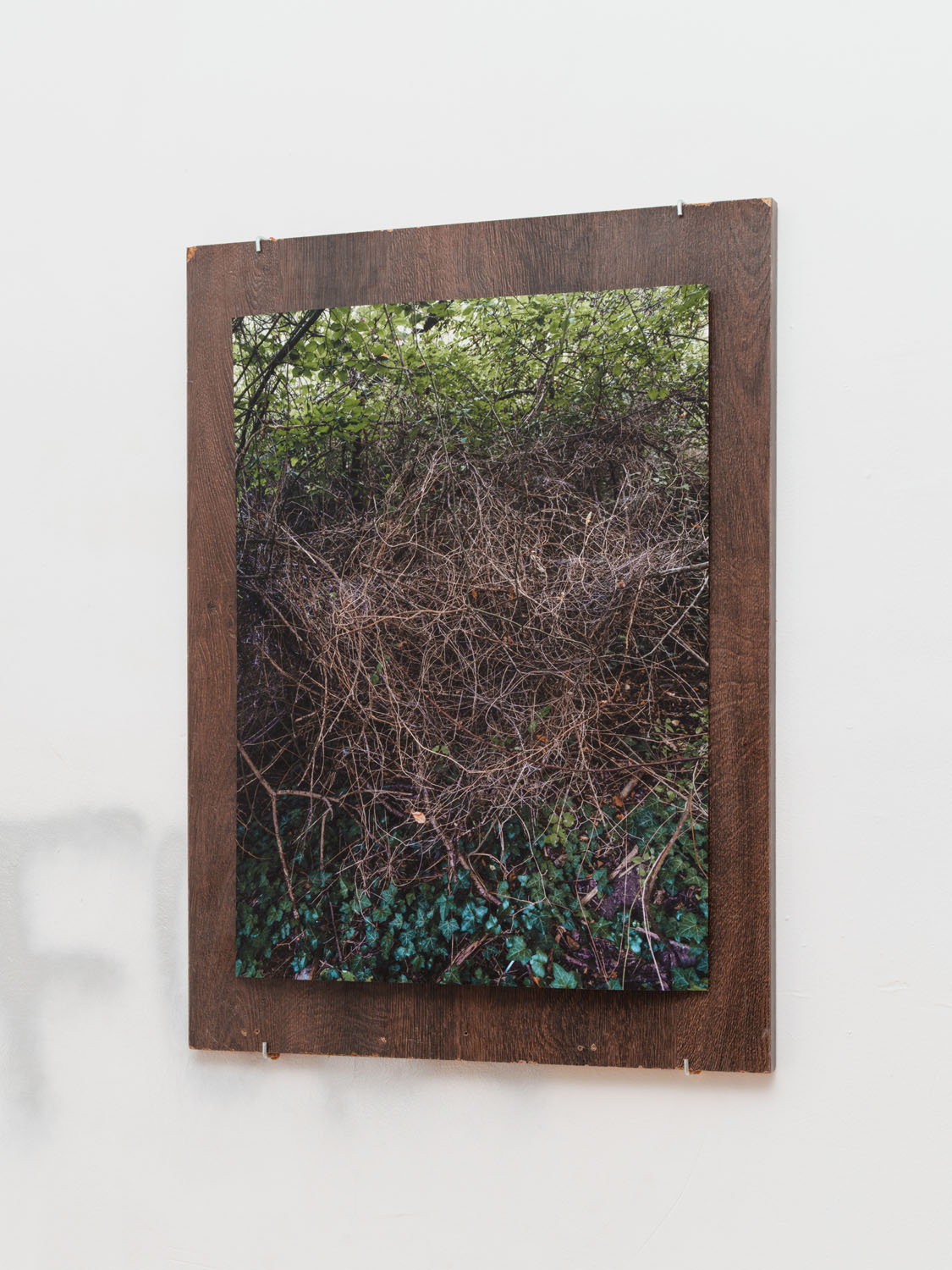
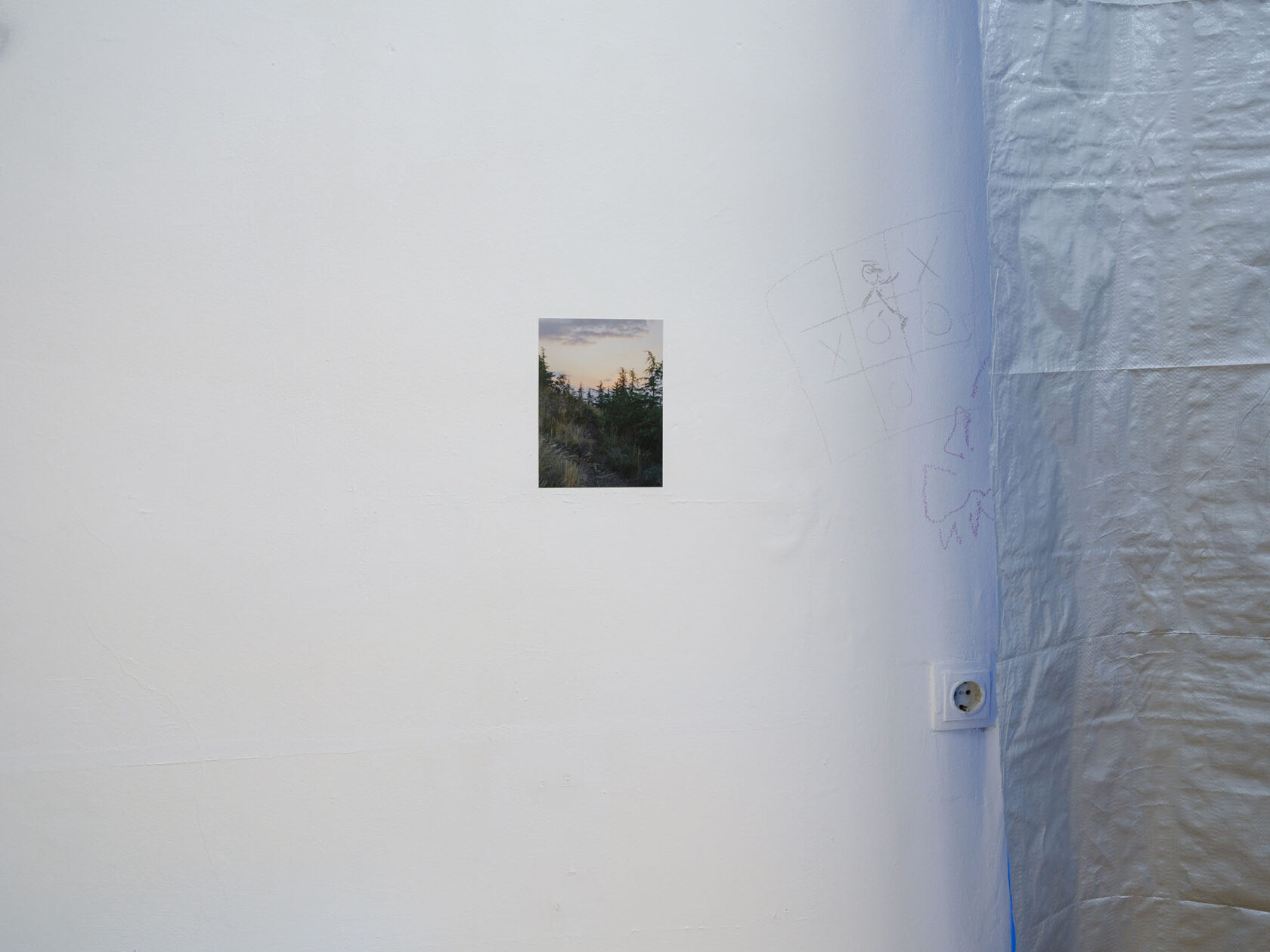
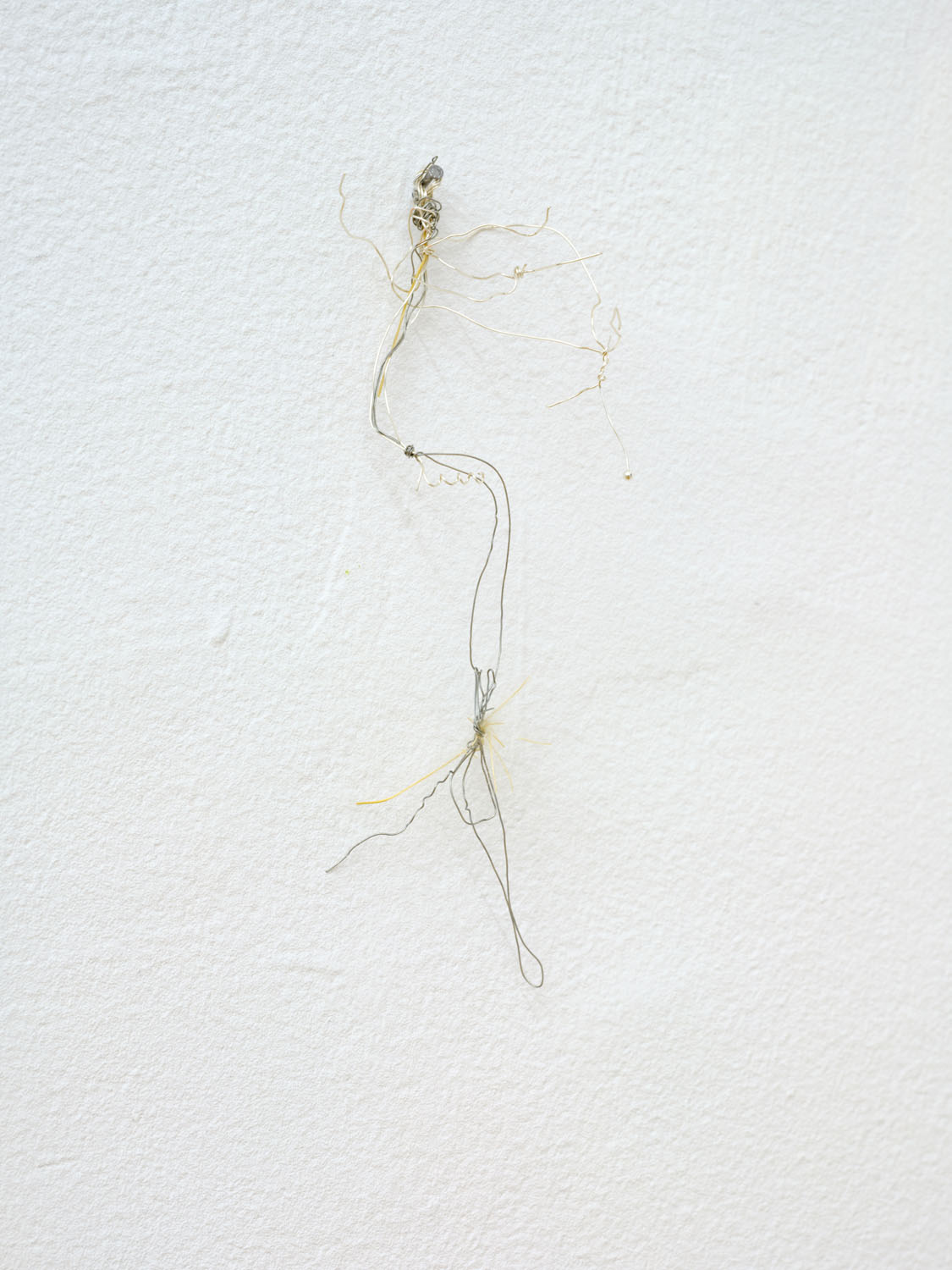
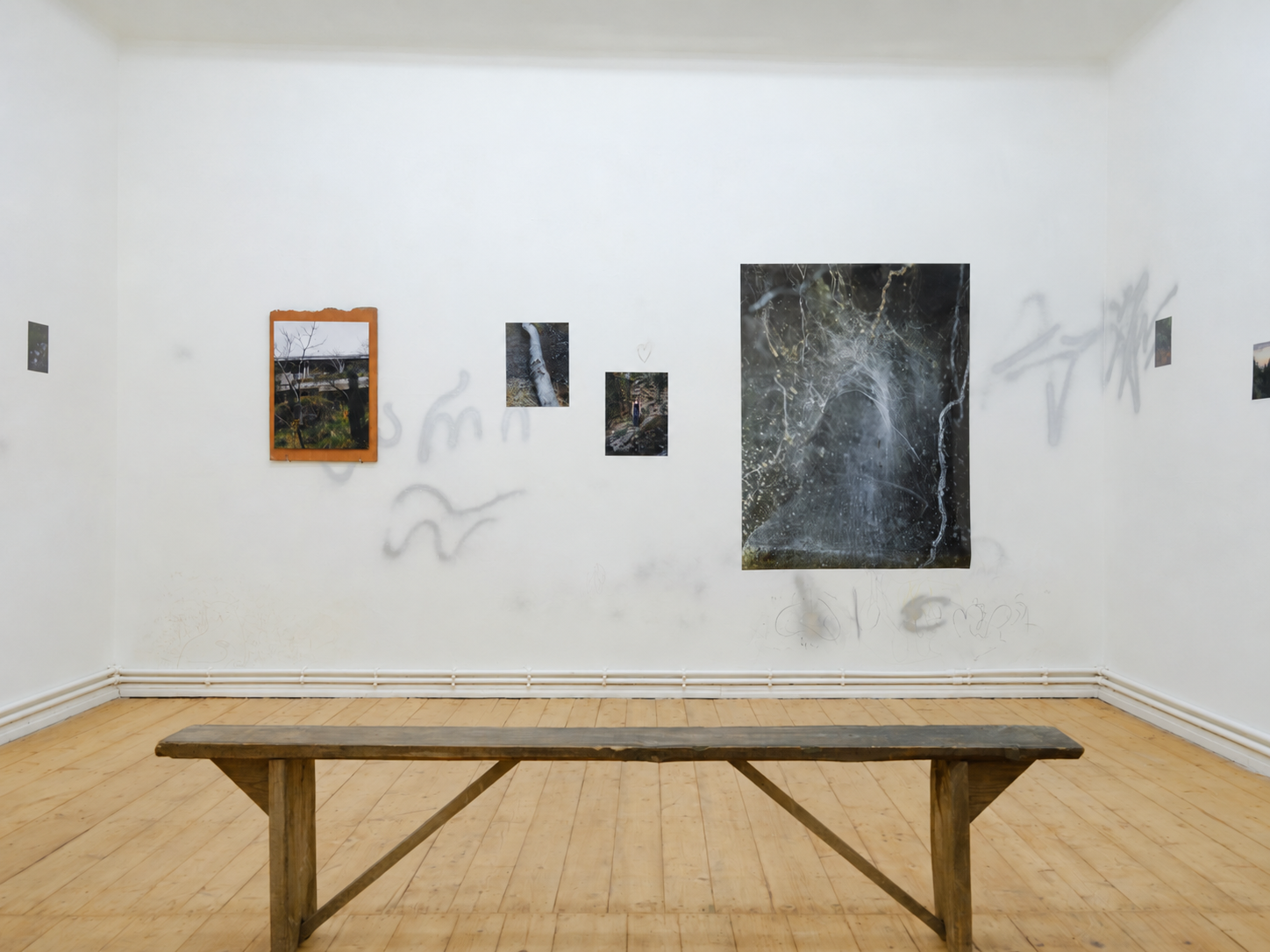
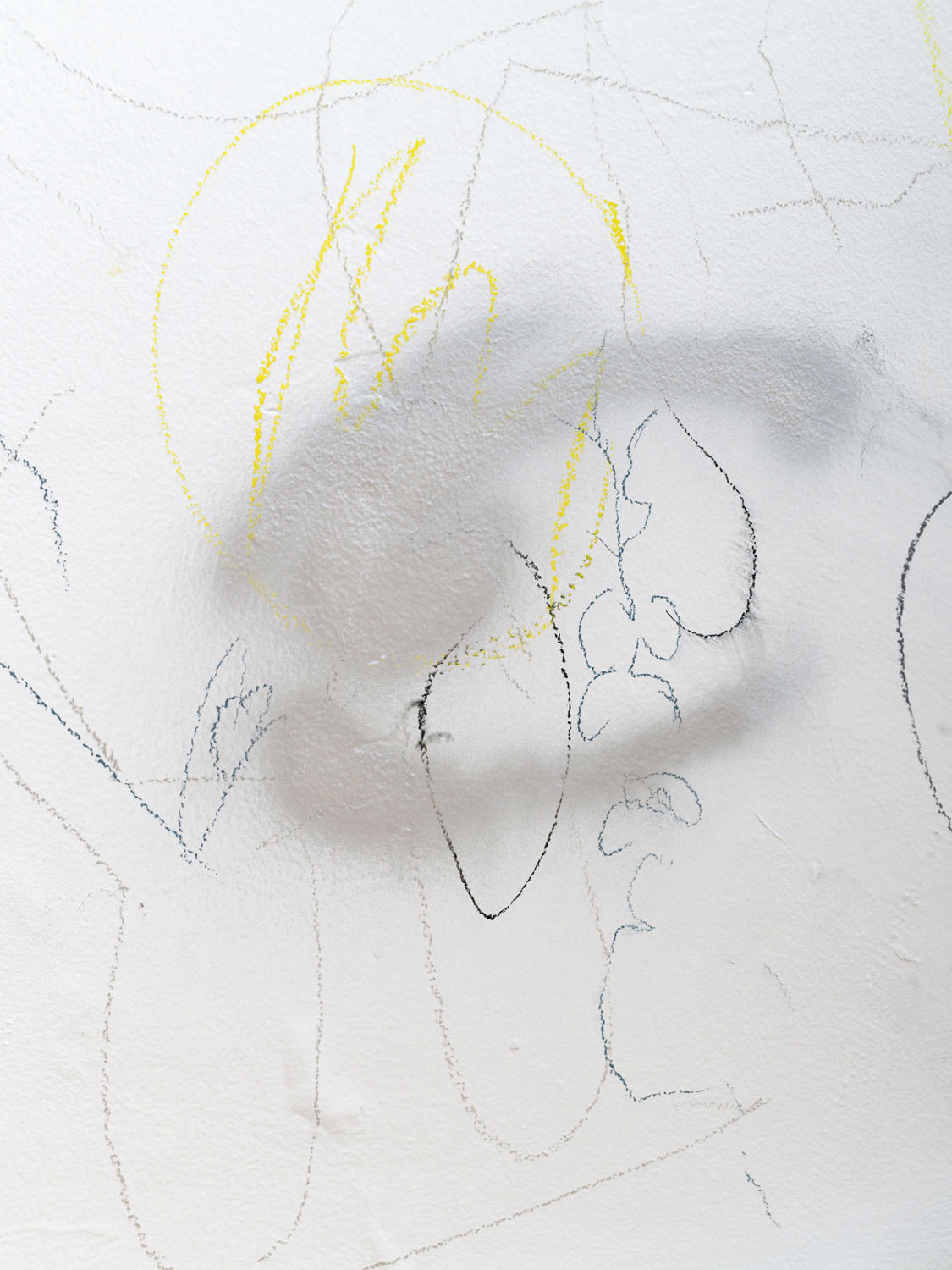
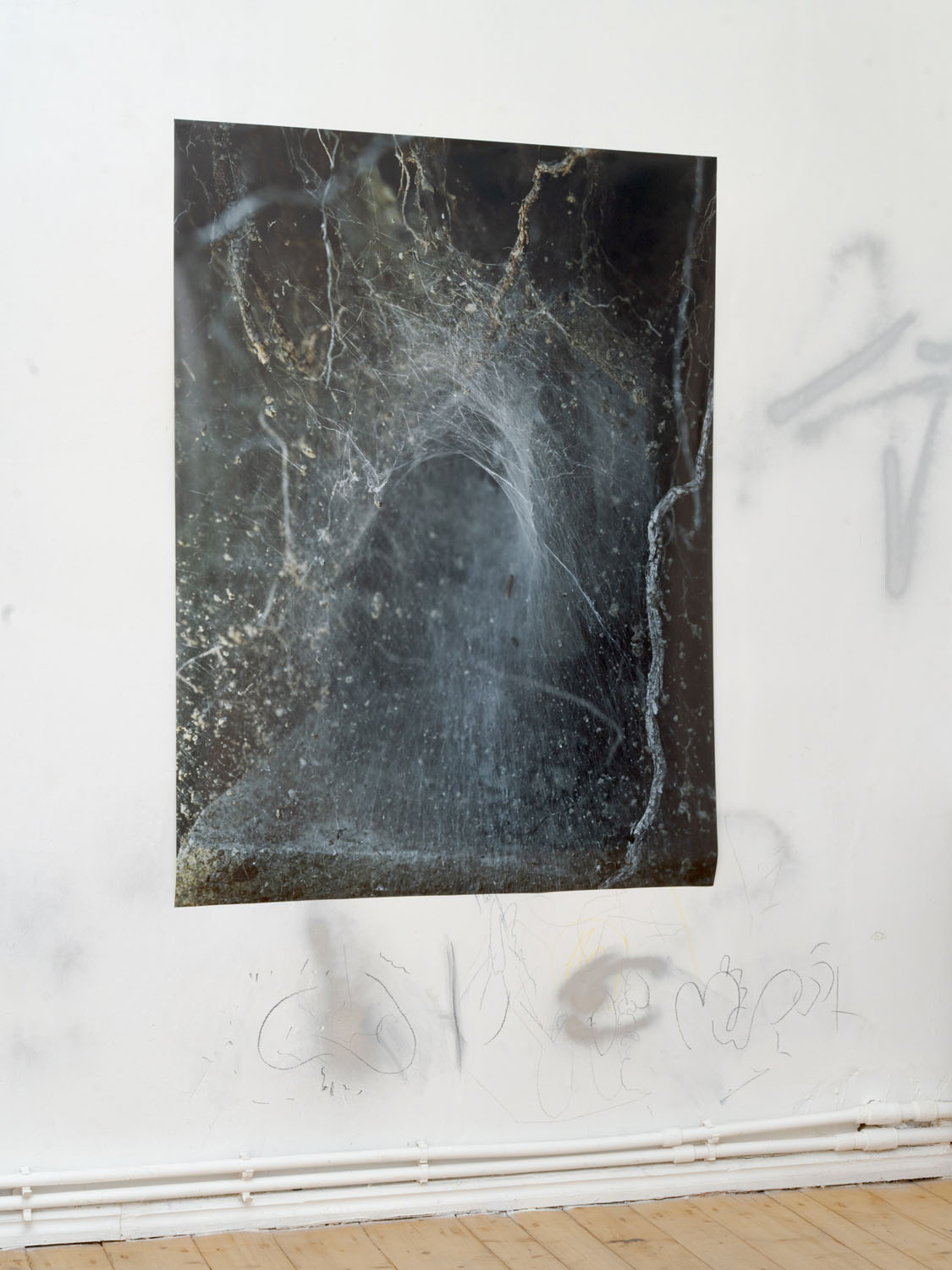
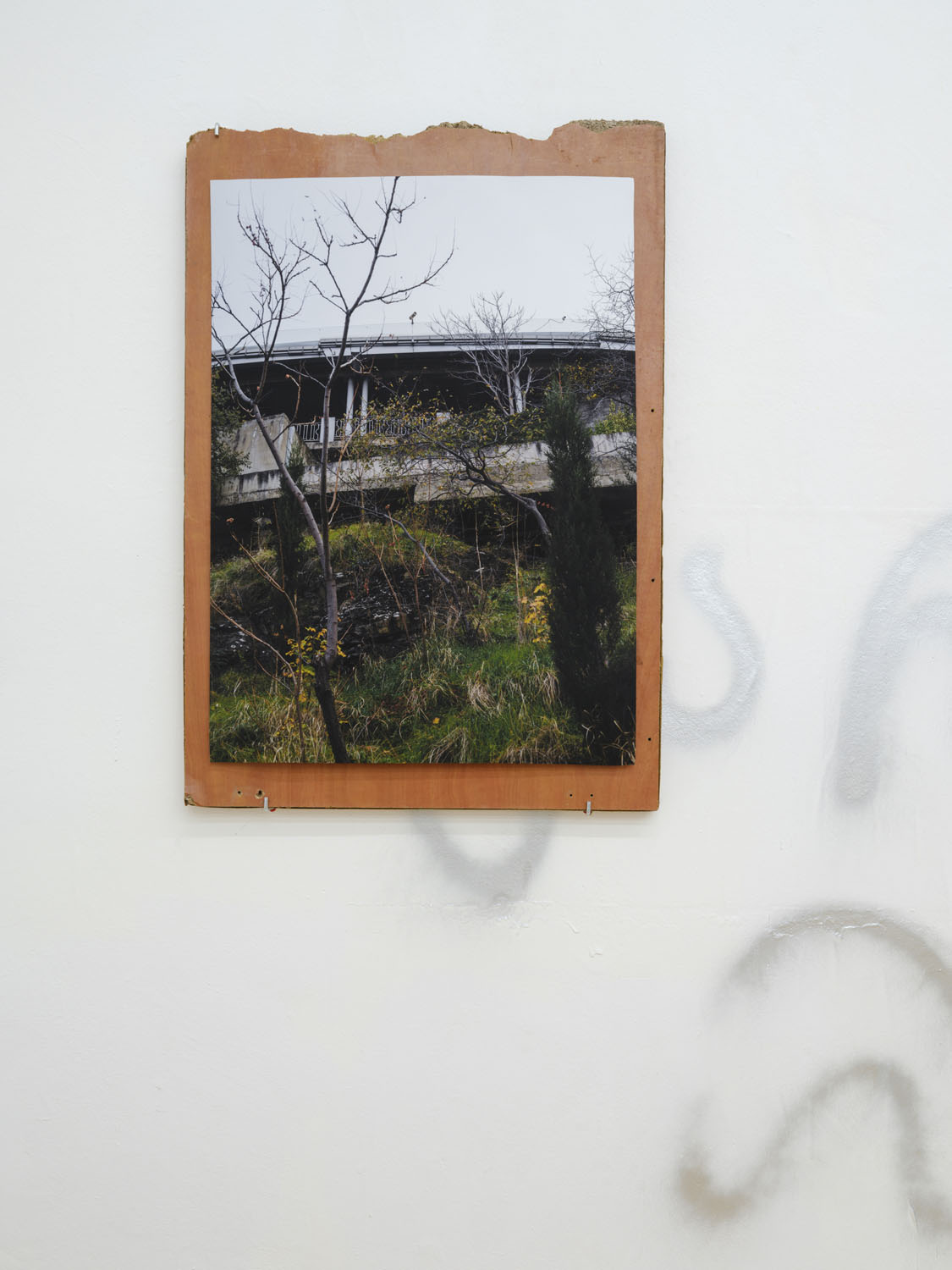
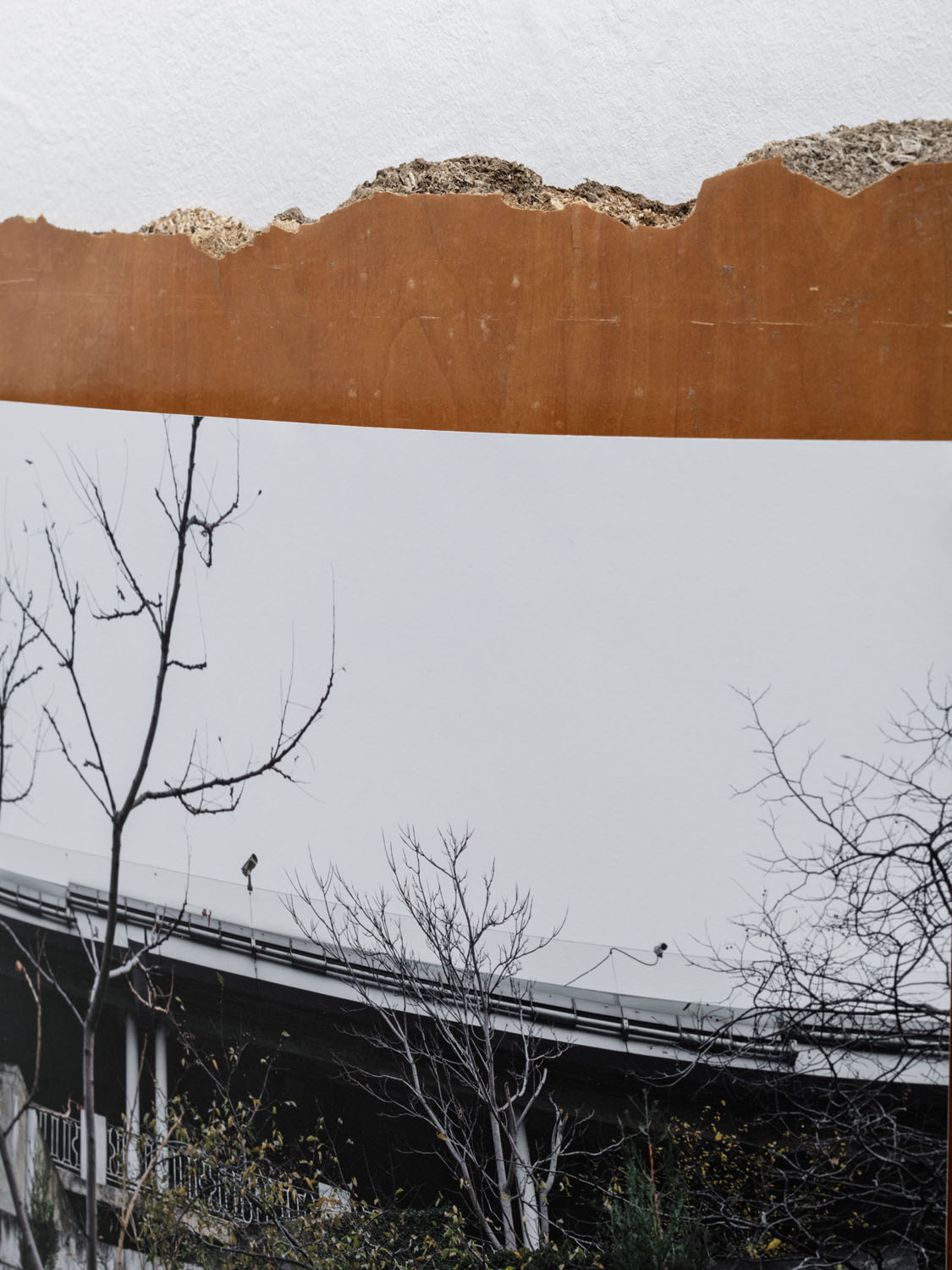
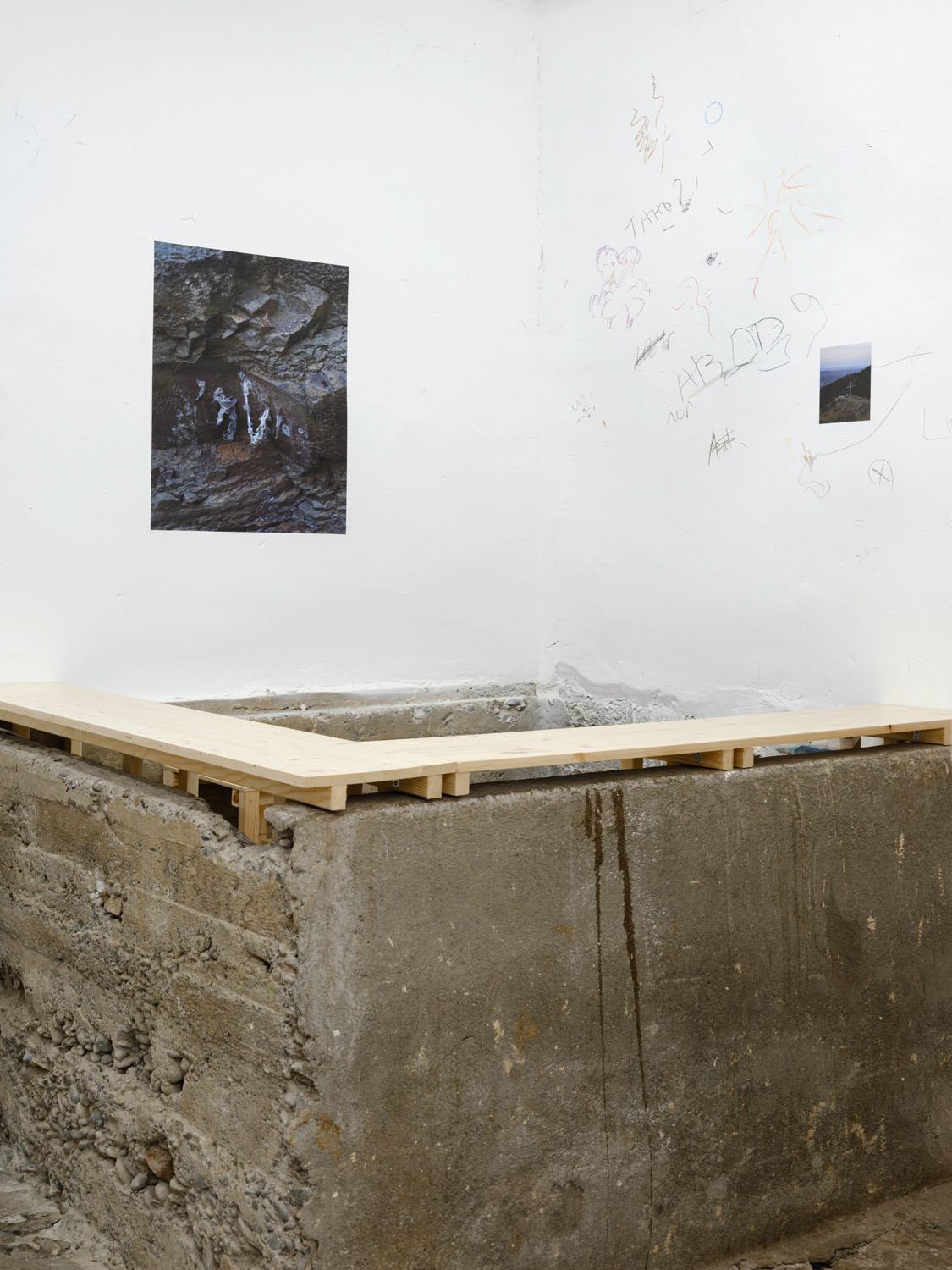
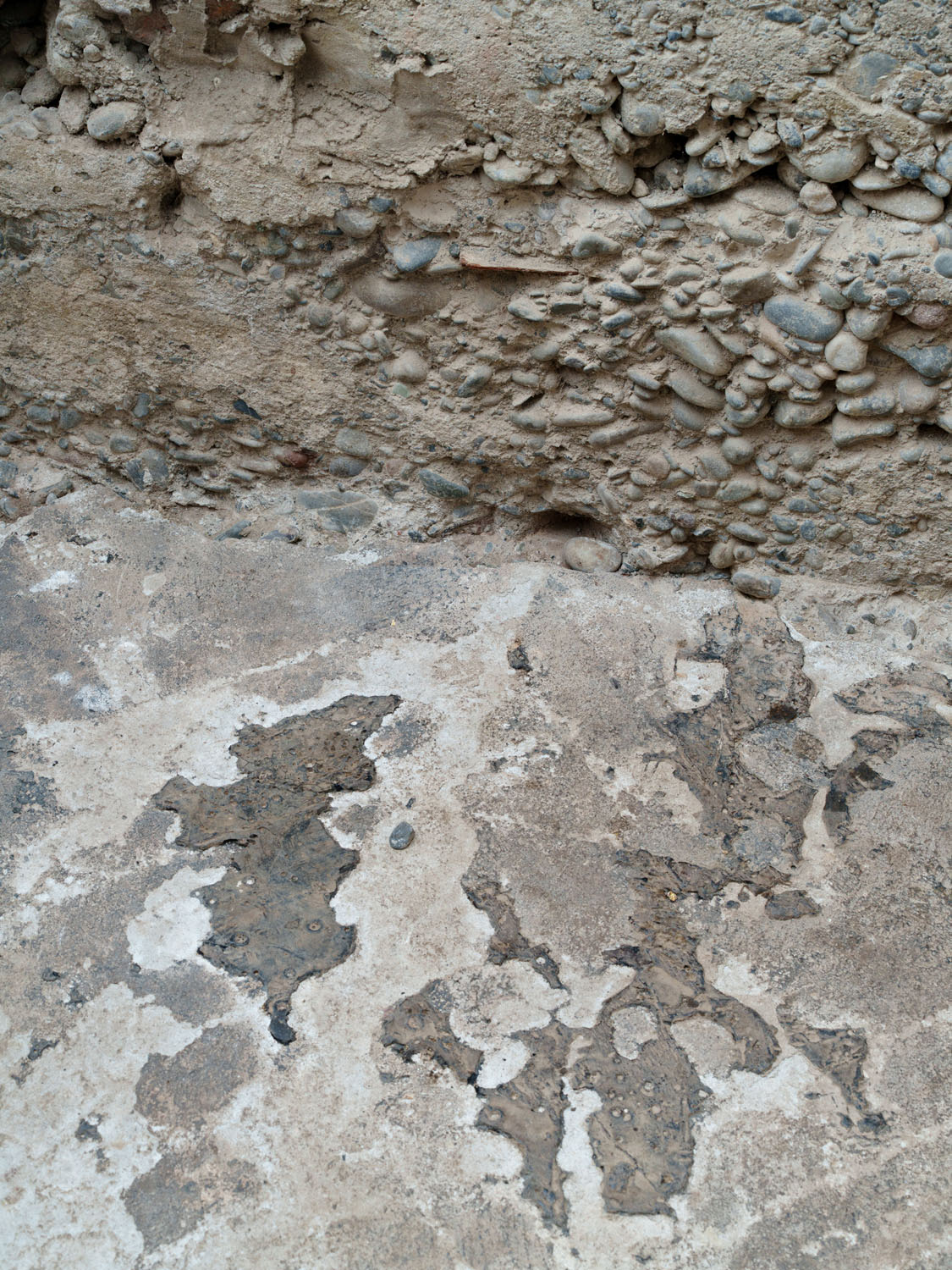
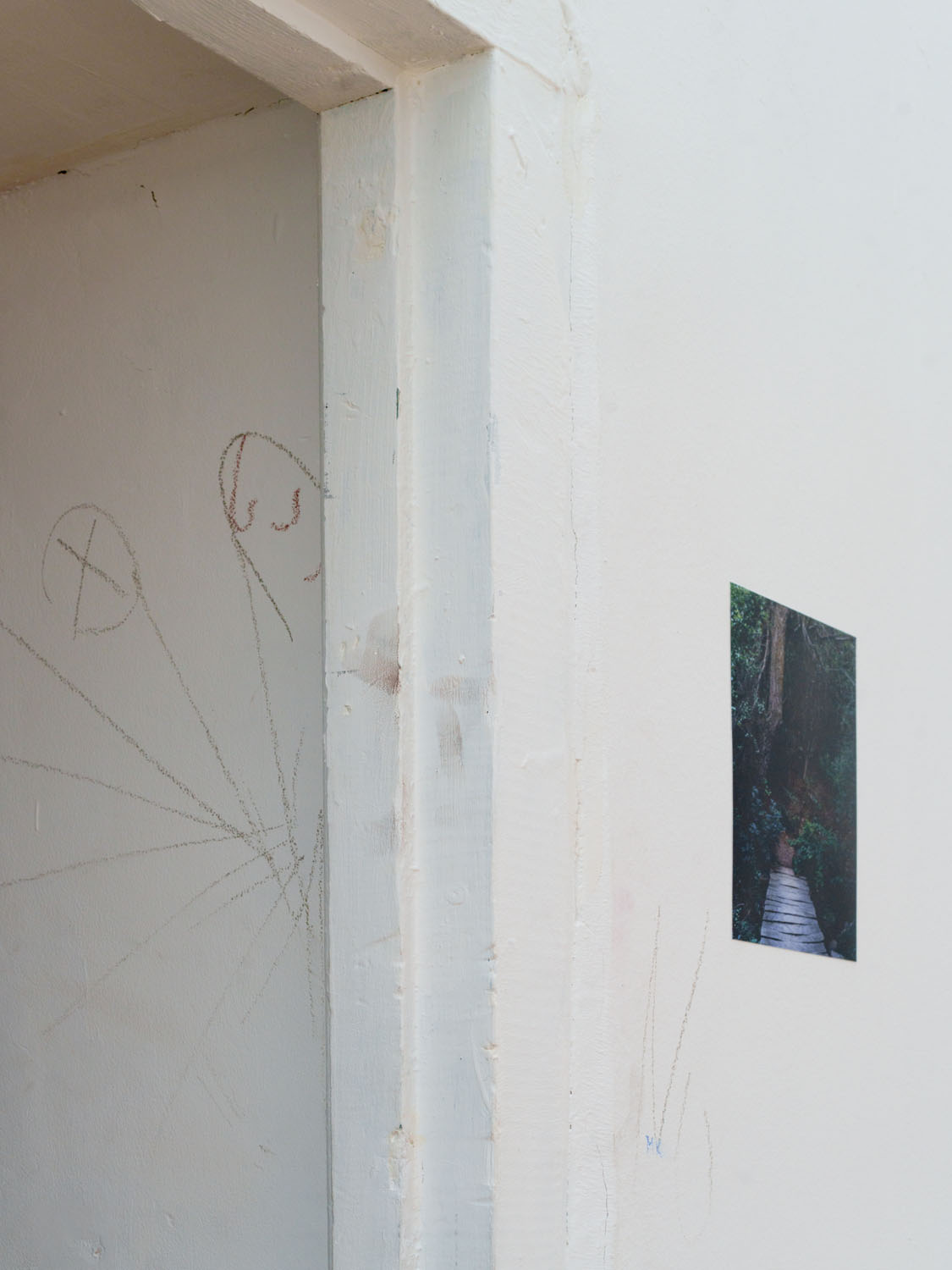
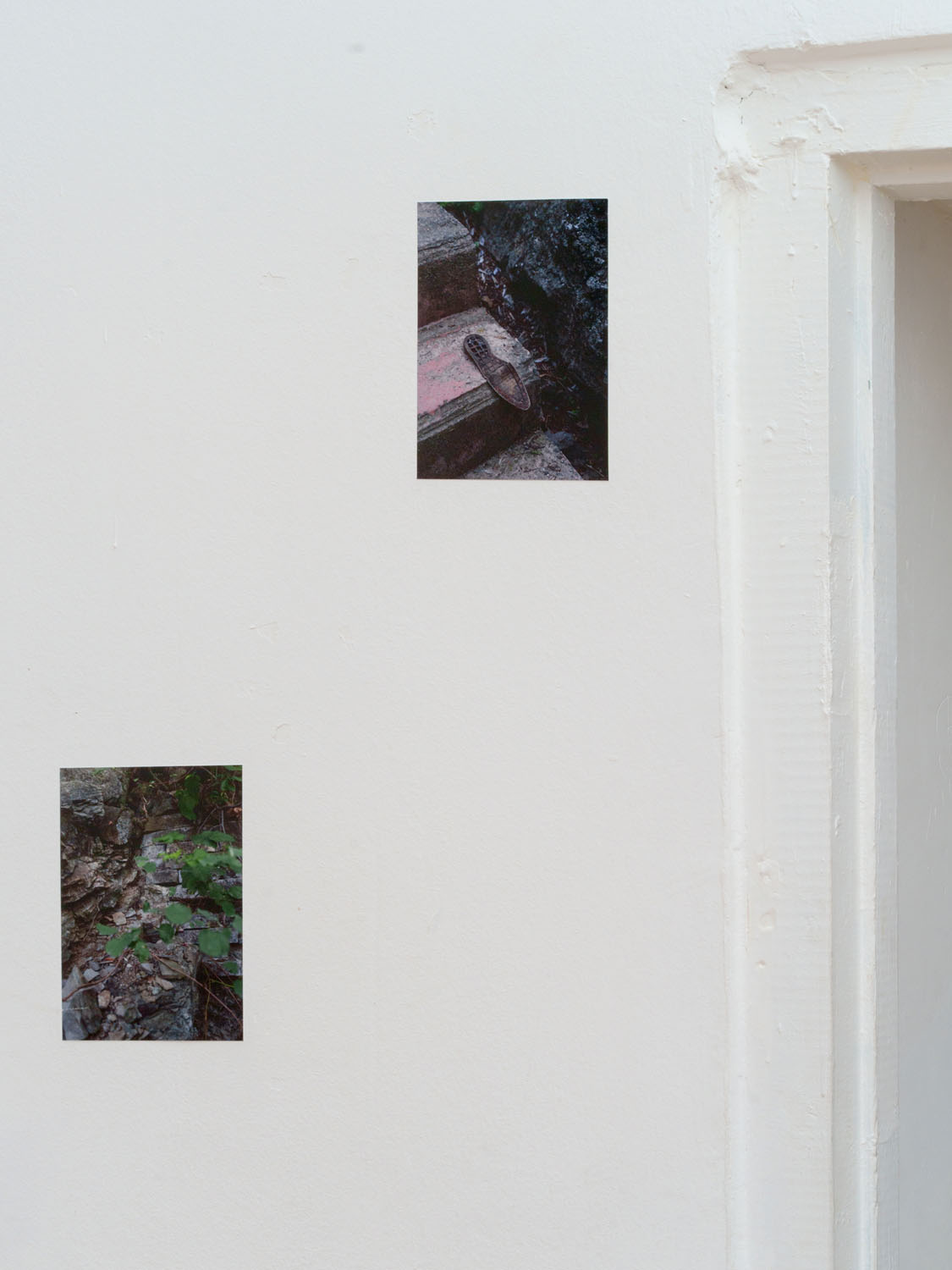
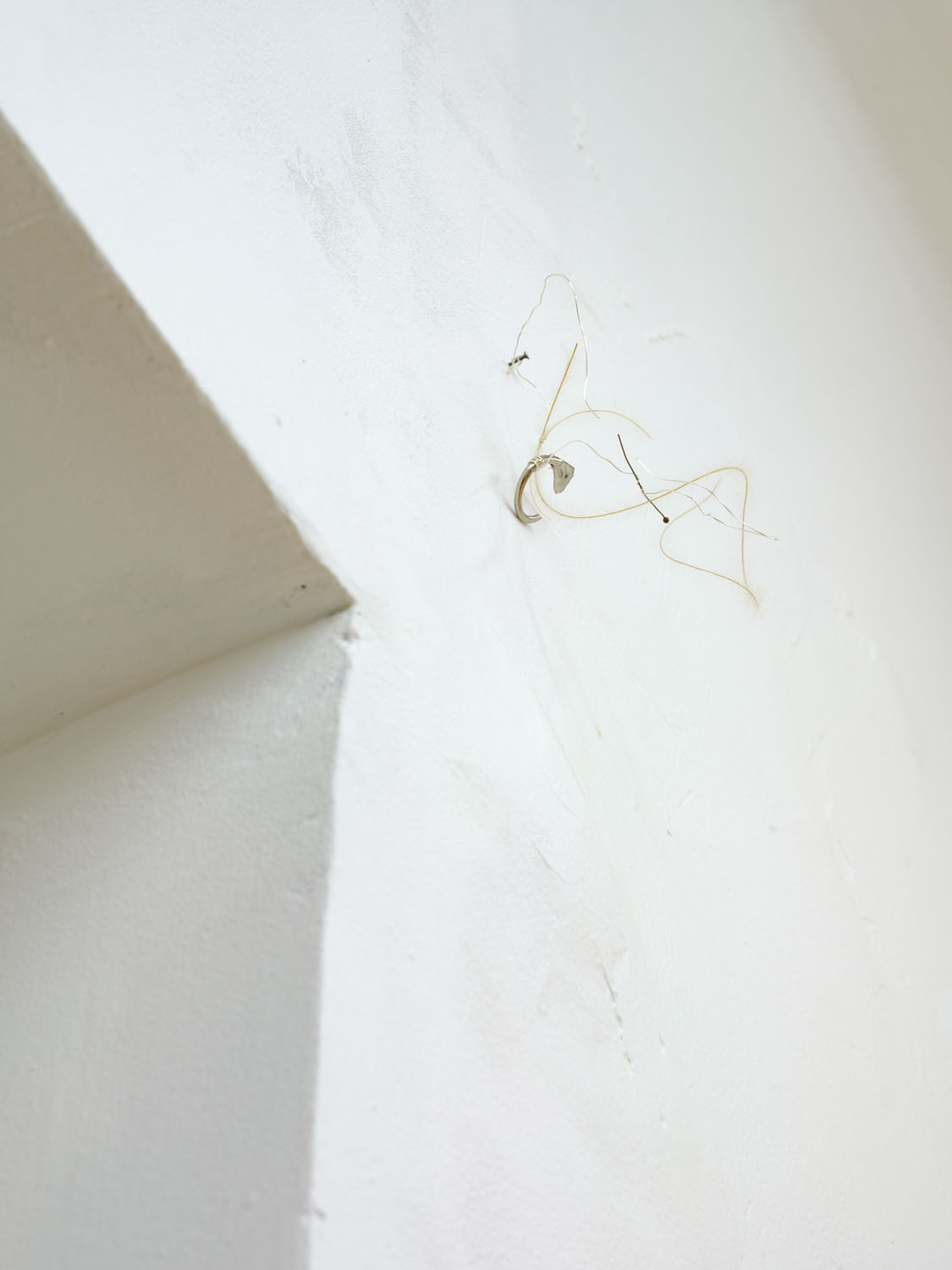
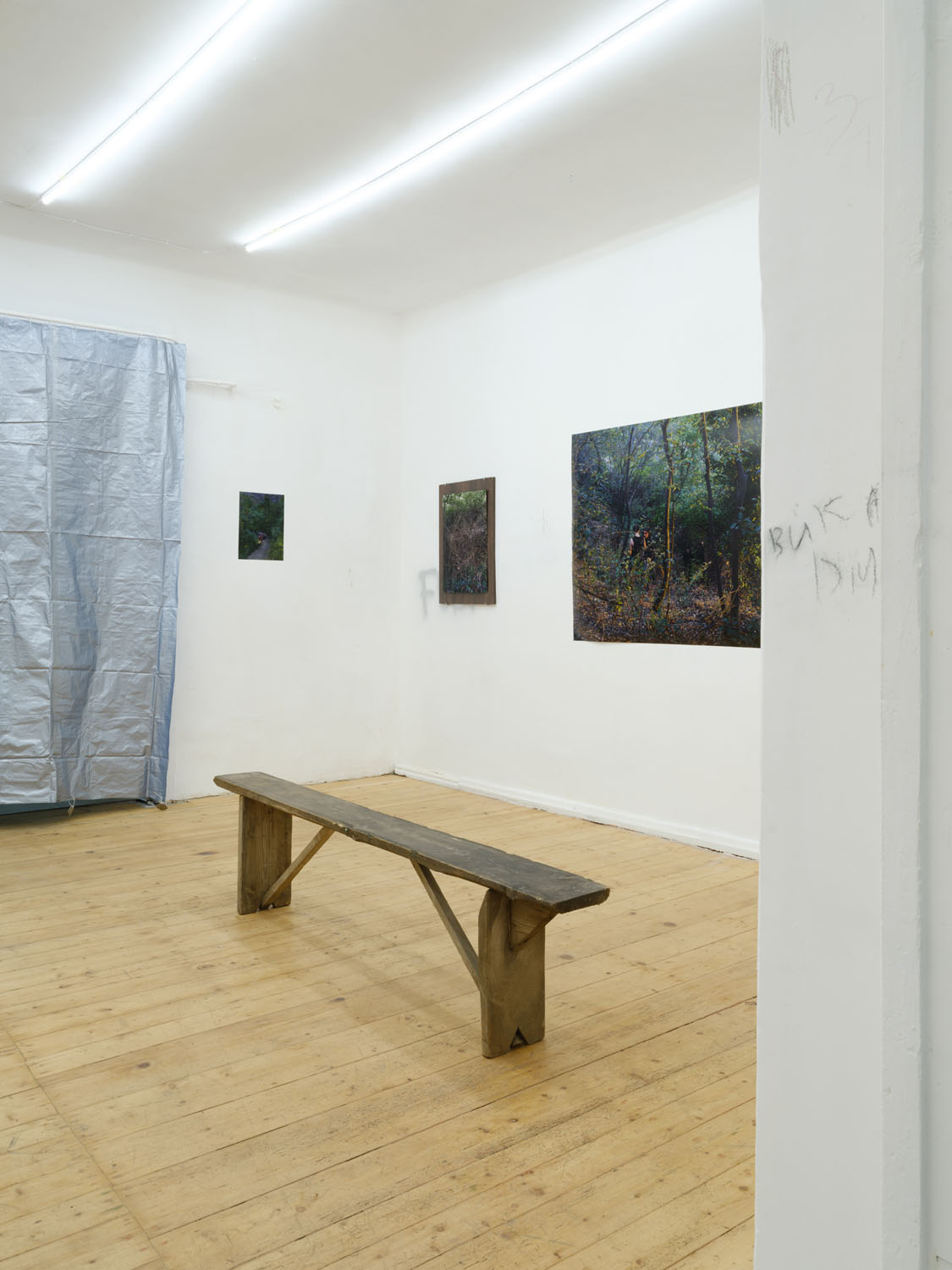
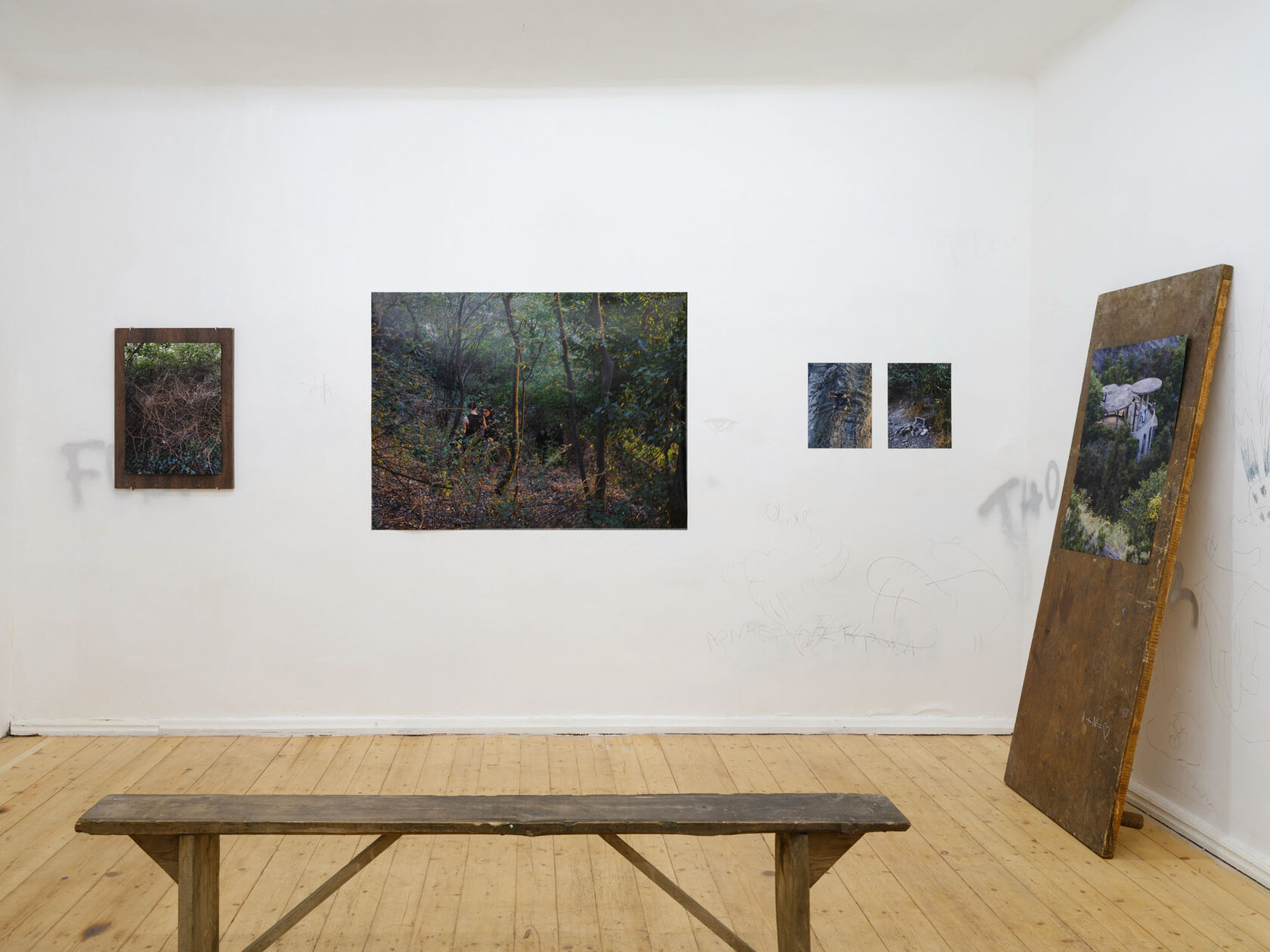
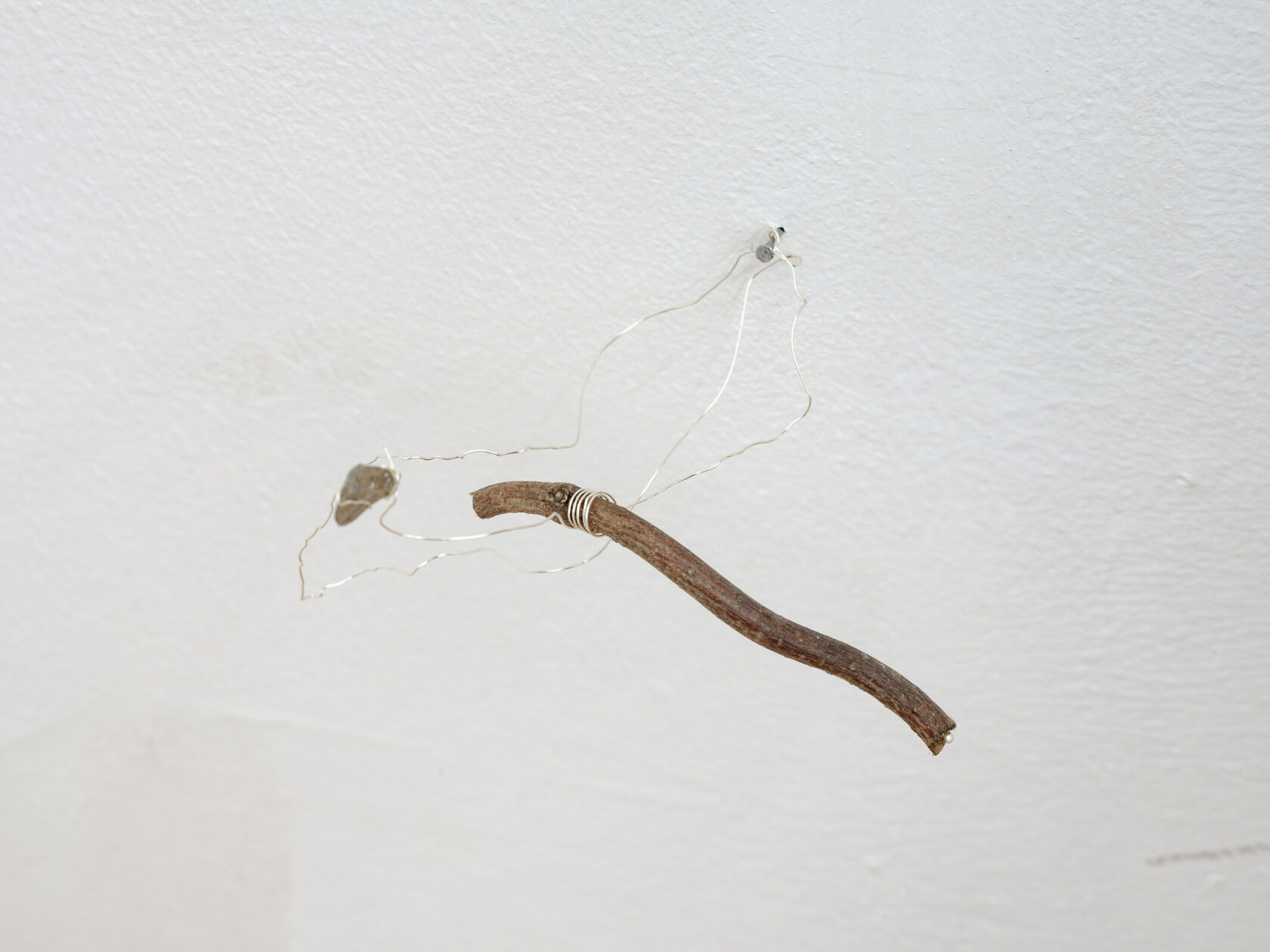
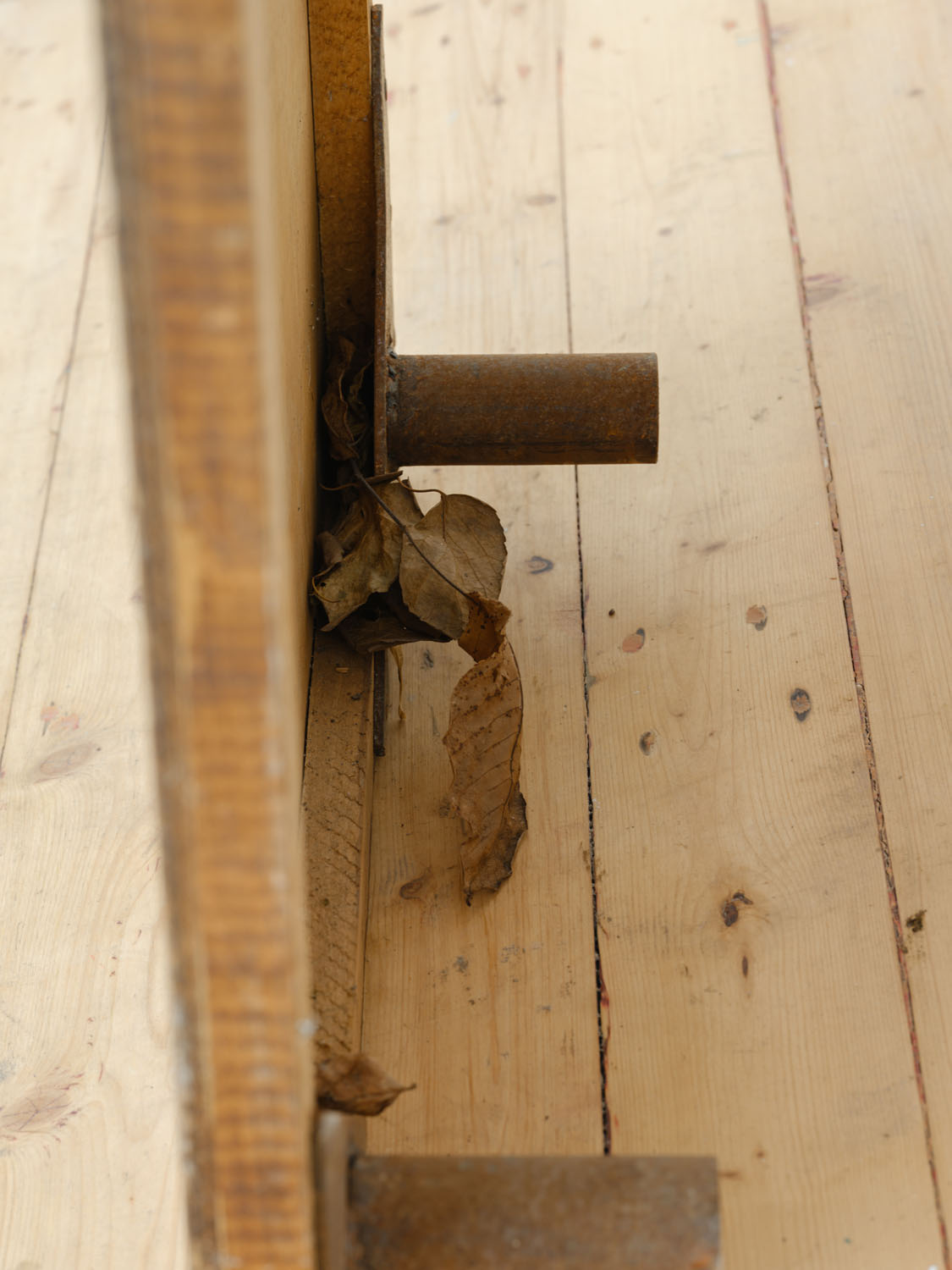
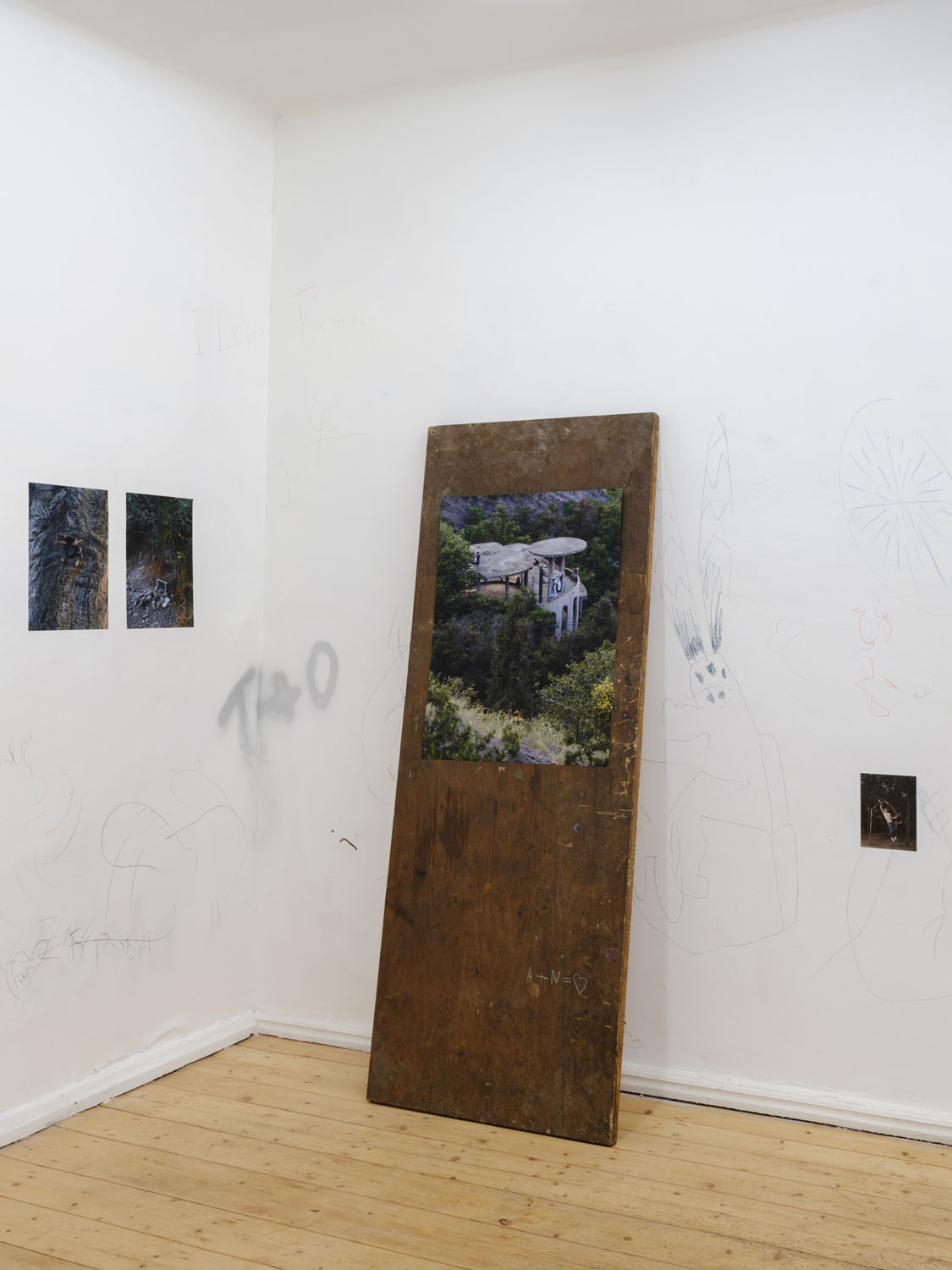
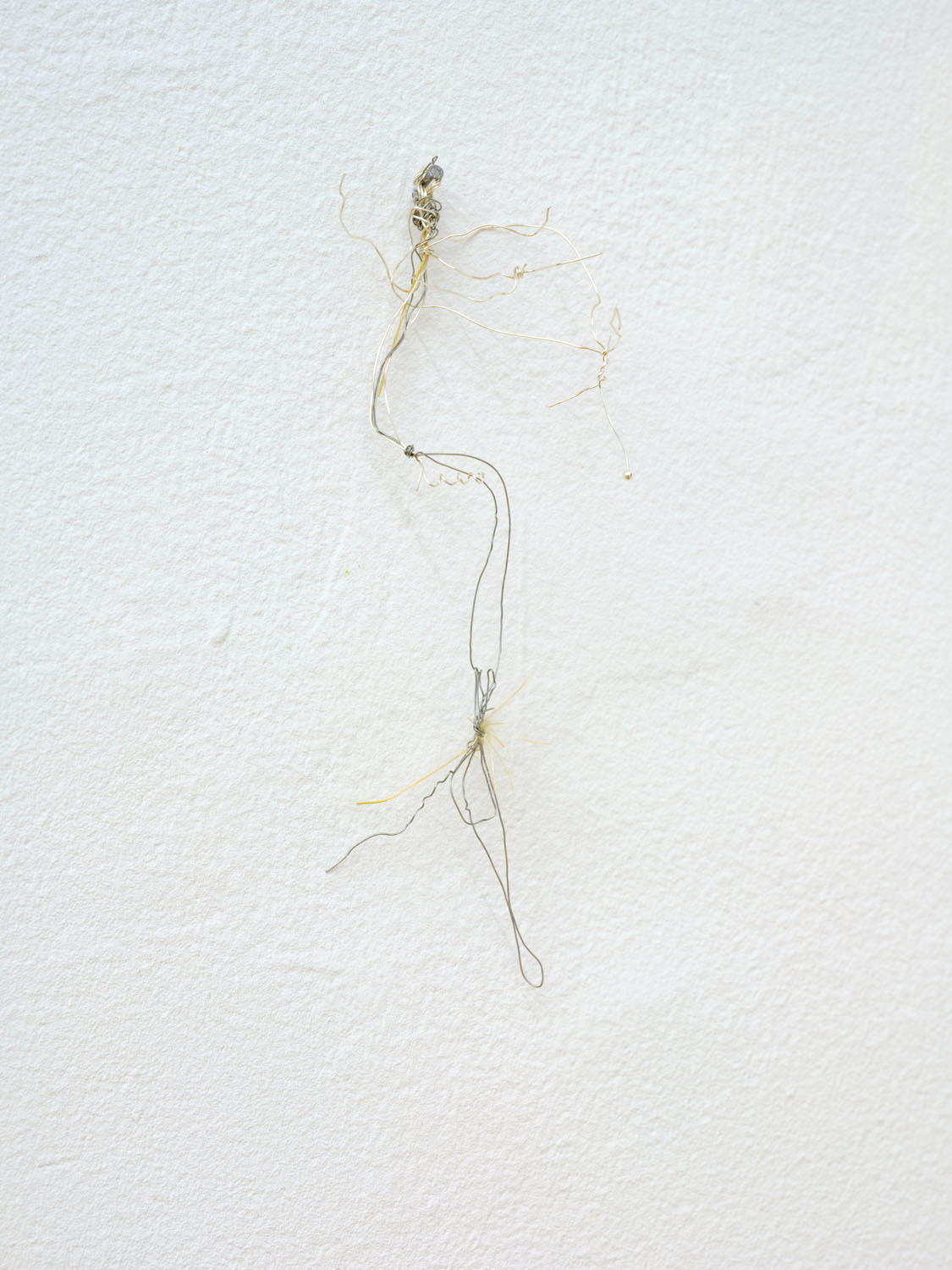
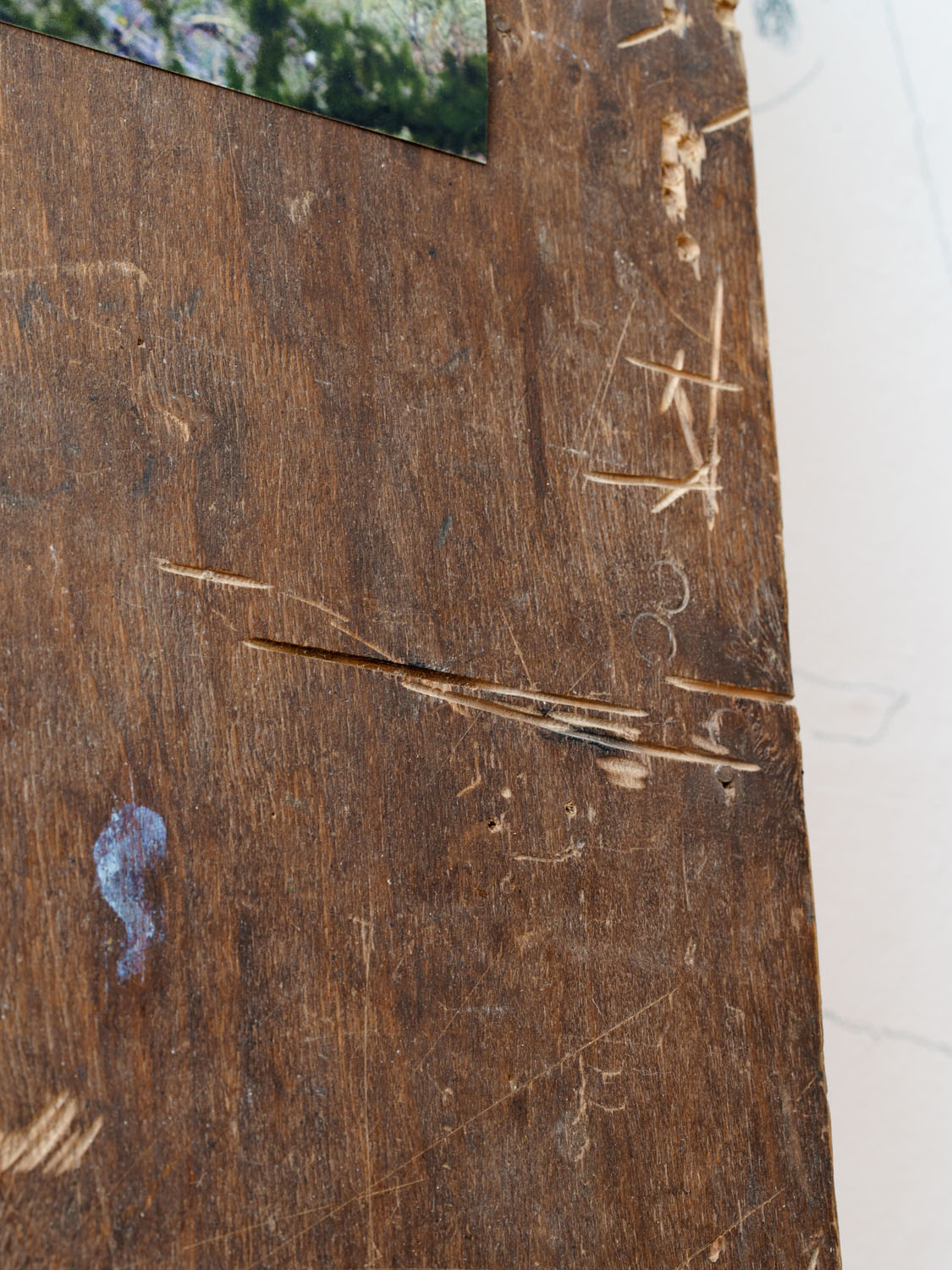
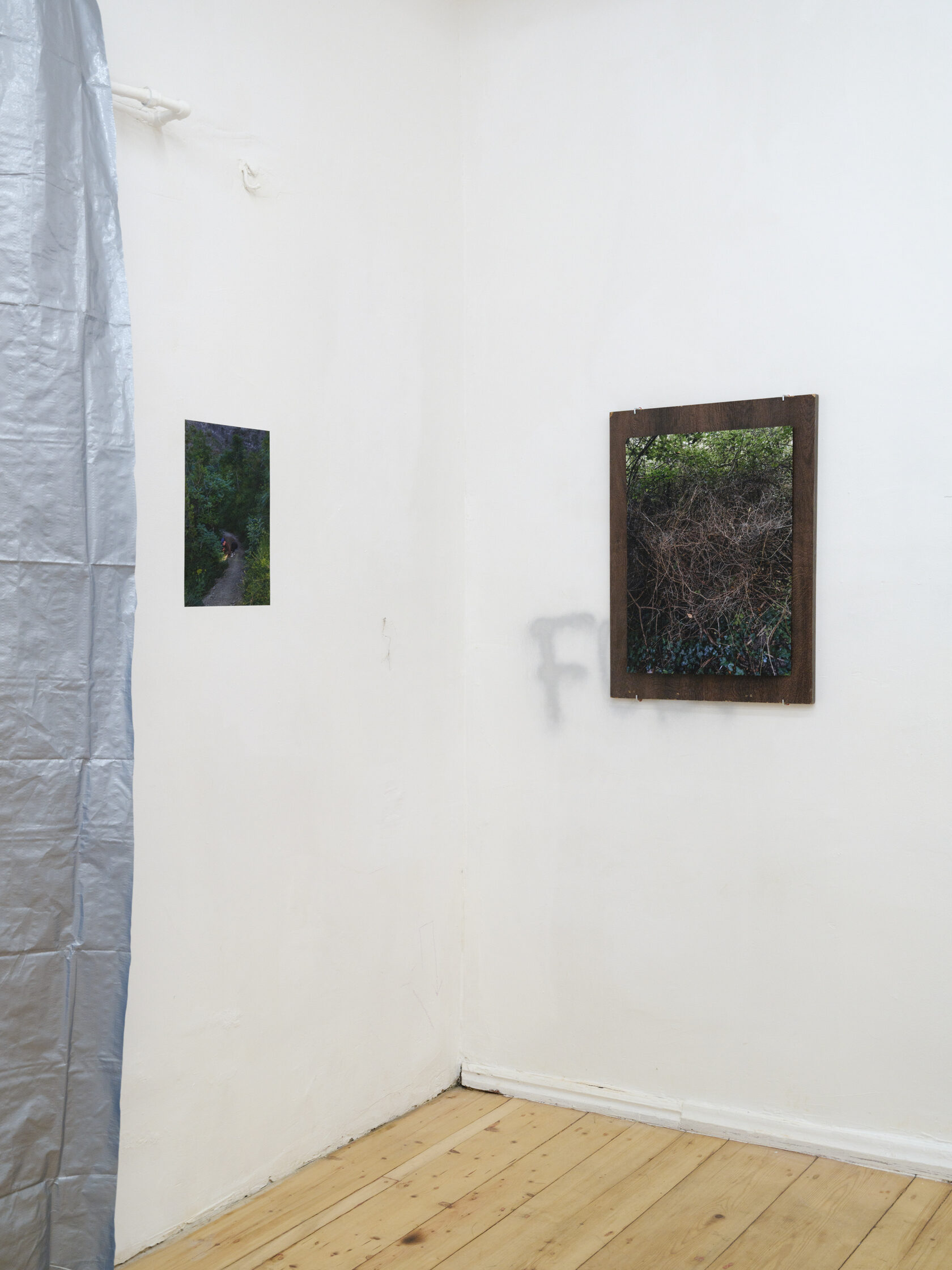
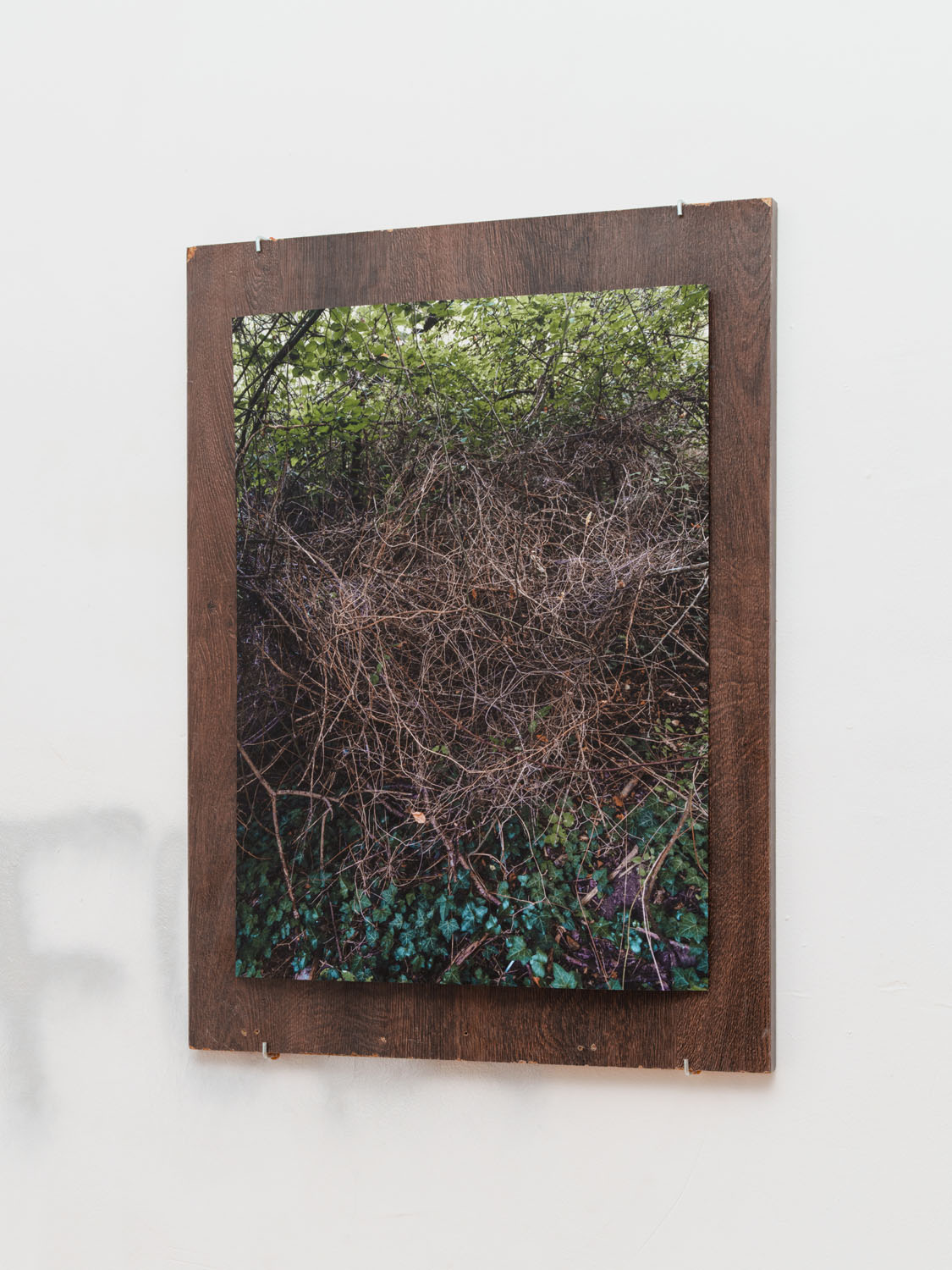
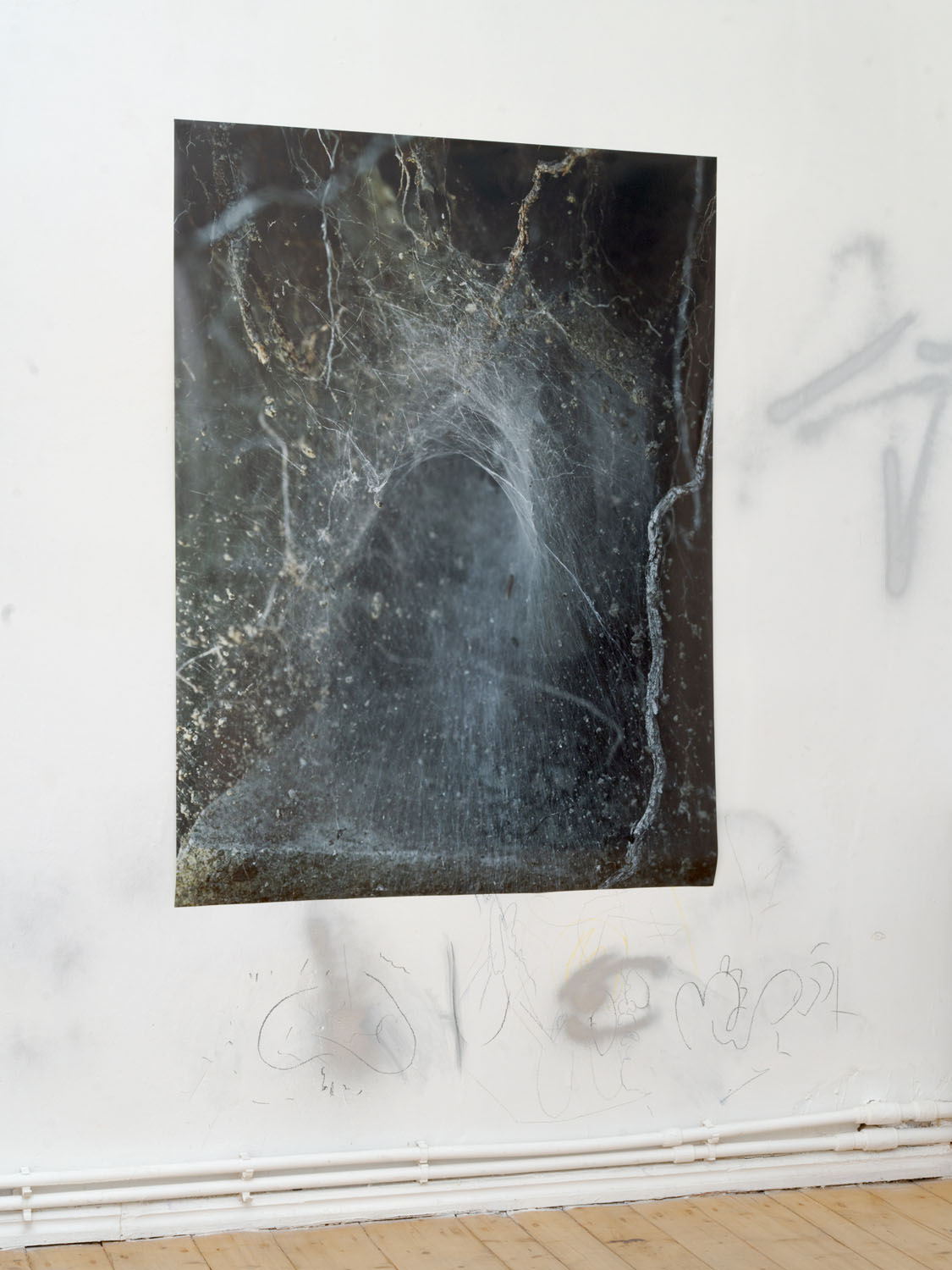
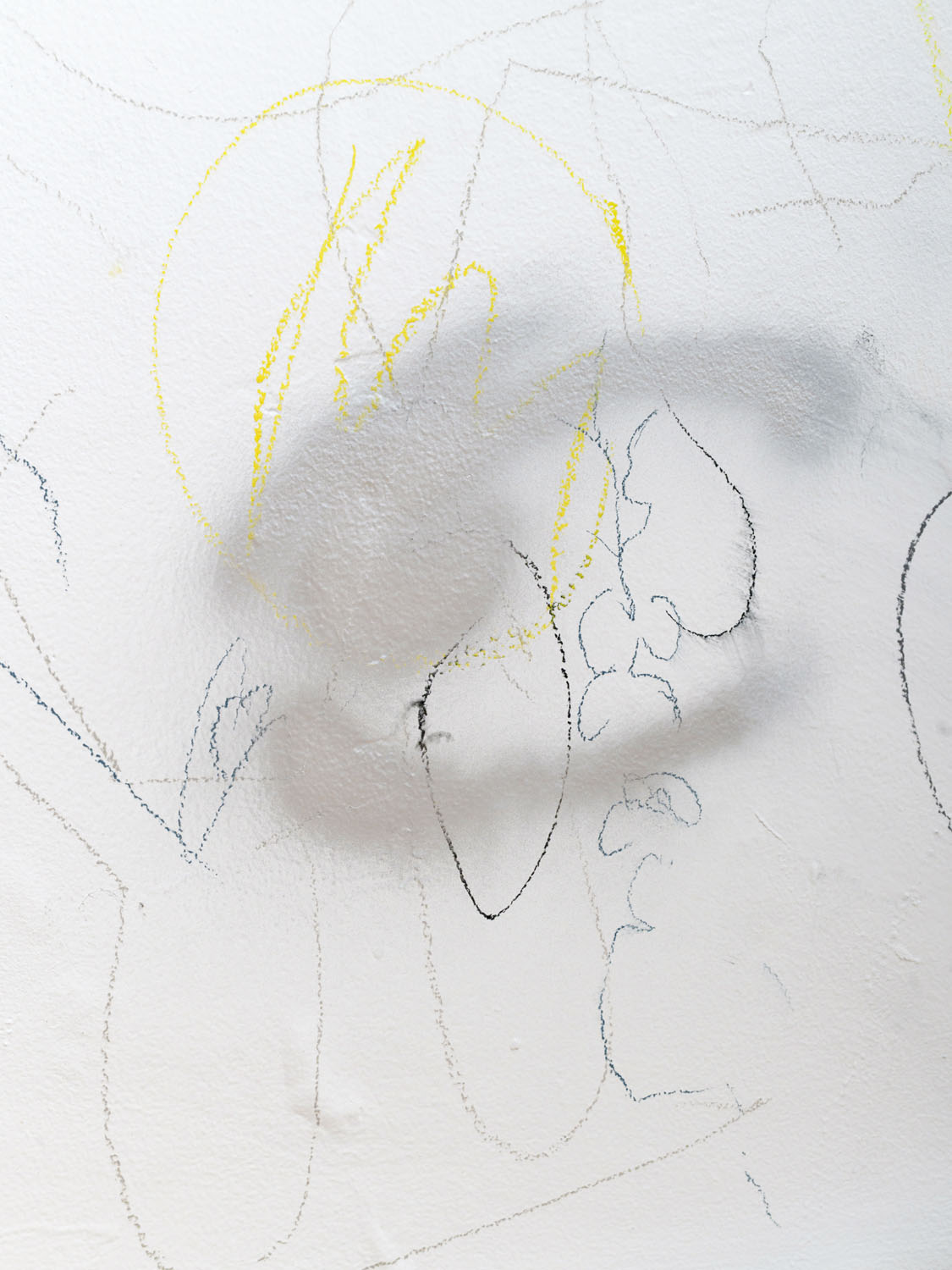
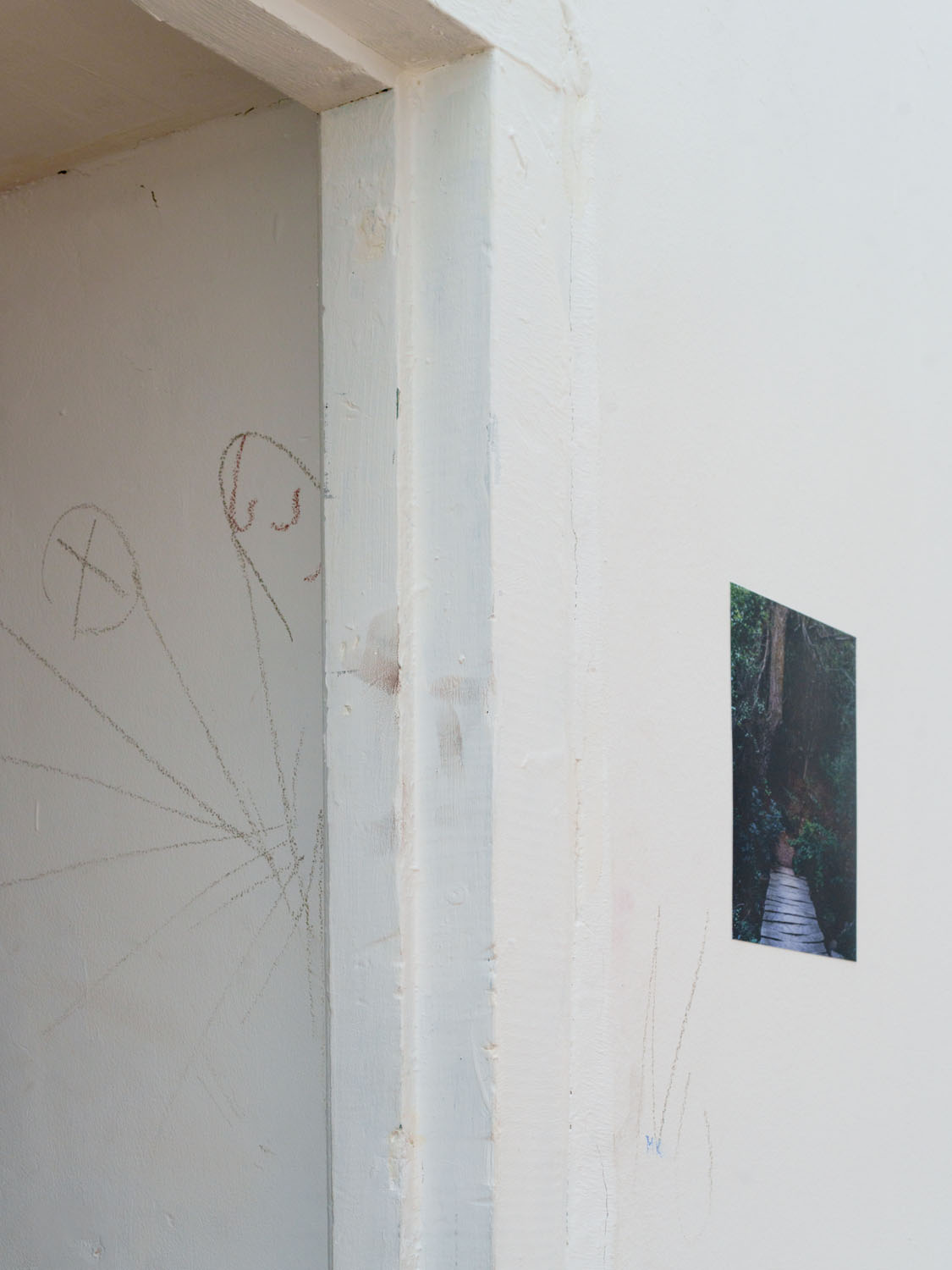
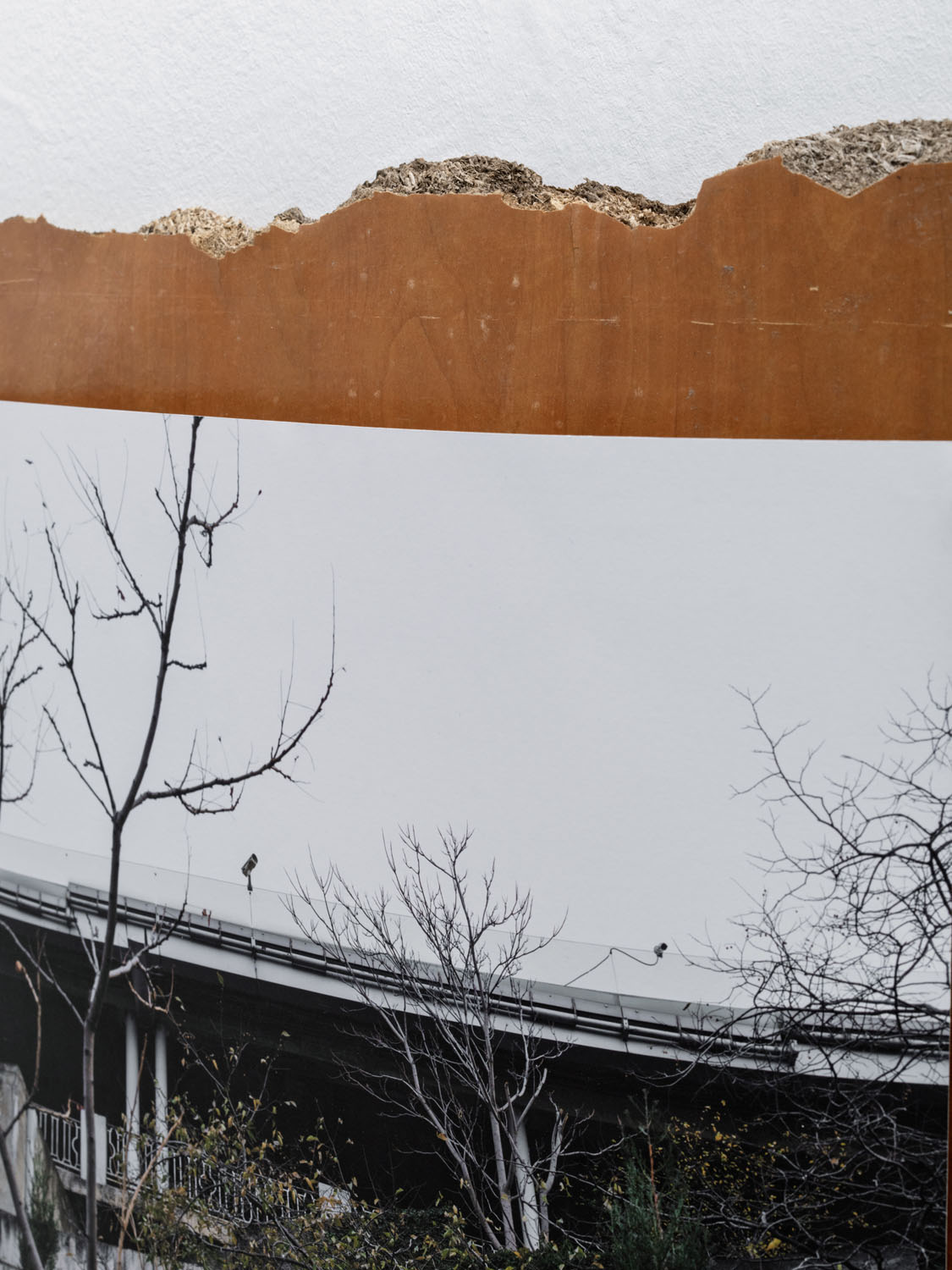
Photography, wood, metal wire, plants, chipboard panels, crayons, dry pastels, spray paint, 2026
Beyond the Upper Margin. Chapter I
Photography, wood, metal wire, plants, chipboard panels, crayons, dry pastels, spray paint, 2026
We are interested in the sense of freedom that can emerge in parts of a city where visibility and control begin to loosen. In Tbilisi, where patriarchal structures remain strong amid ongoing social shifts, we seek out places that allow for distance from dominant norms and political directives—spaces where one can simply be, regardless of origin, gender, or status.
Such a space is found on a slope of Mount Mtatsminda, a liminal area between the city below and the regulated amusement park above. At once close and hidden, difficult to access and therefore loosely regulated, this urban forest becomes a sanctuary where groups that might otherwise clash or feel unsafe can coexist. It forms a distinct social landscape in which the park itself actively shapes relations between people and the environment.
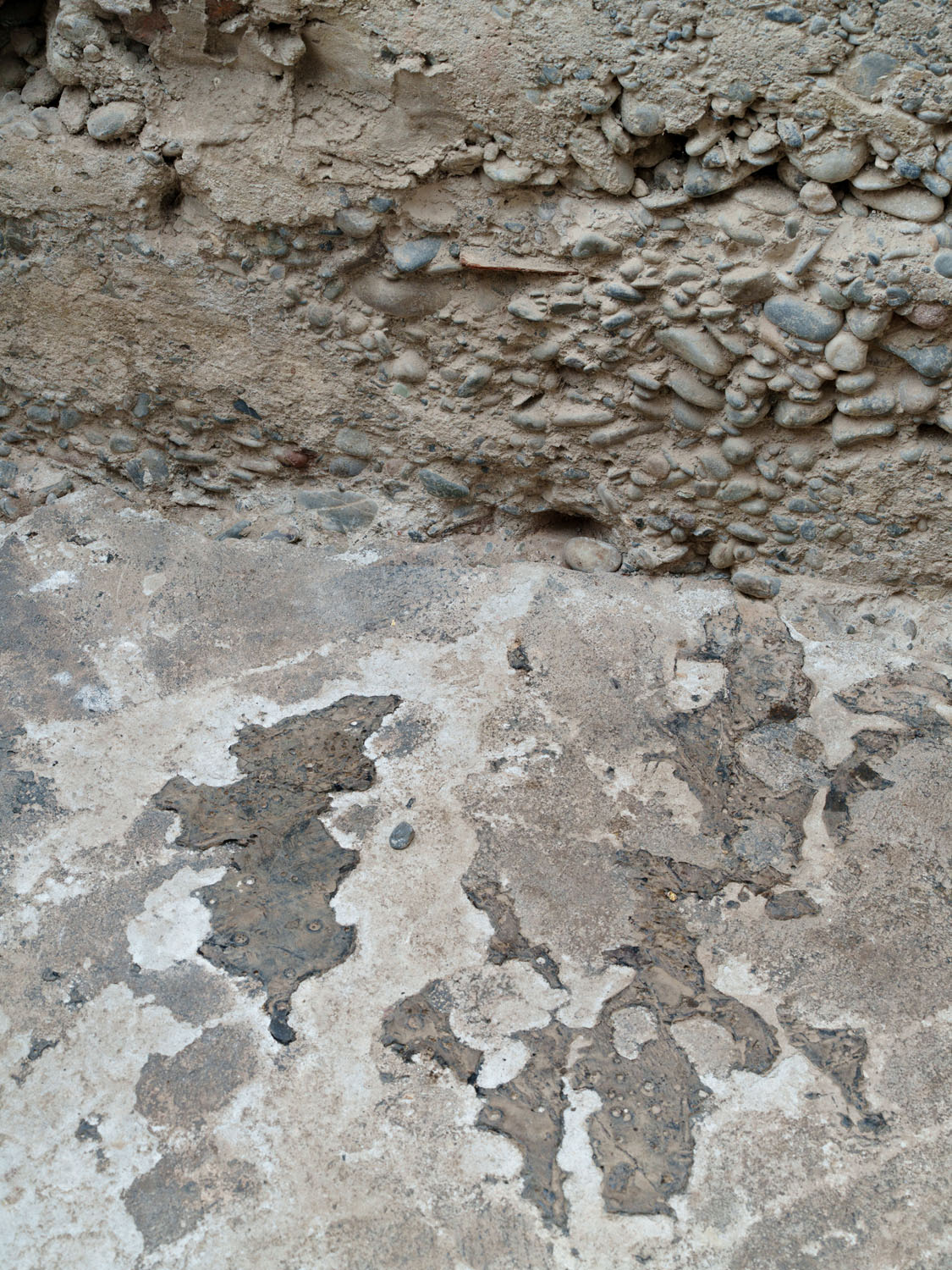
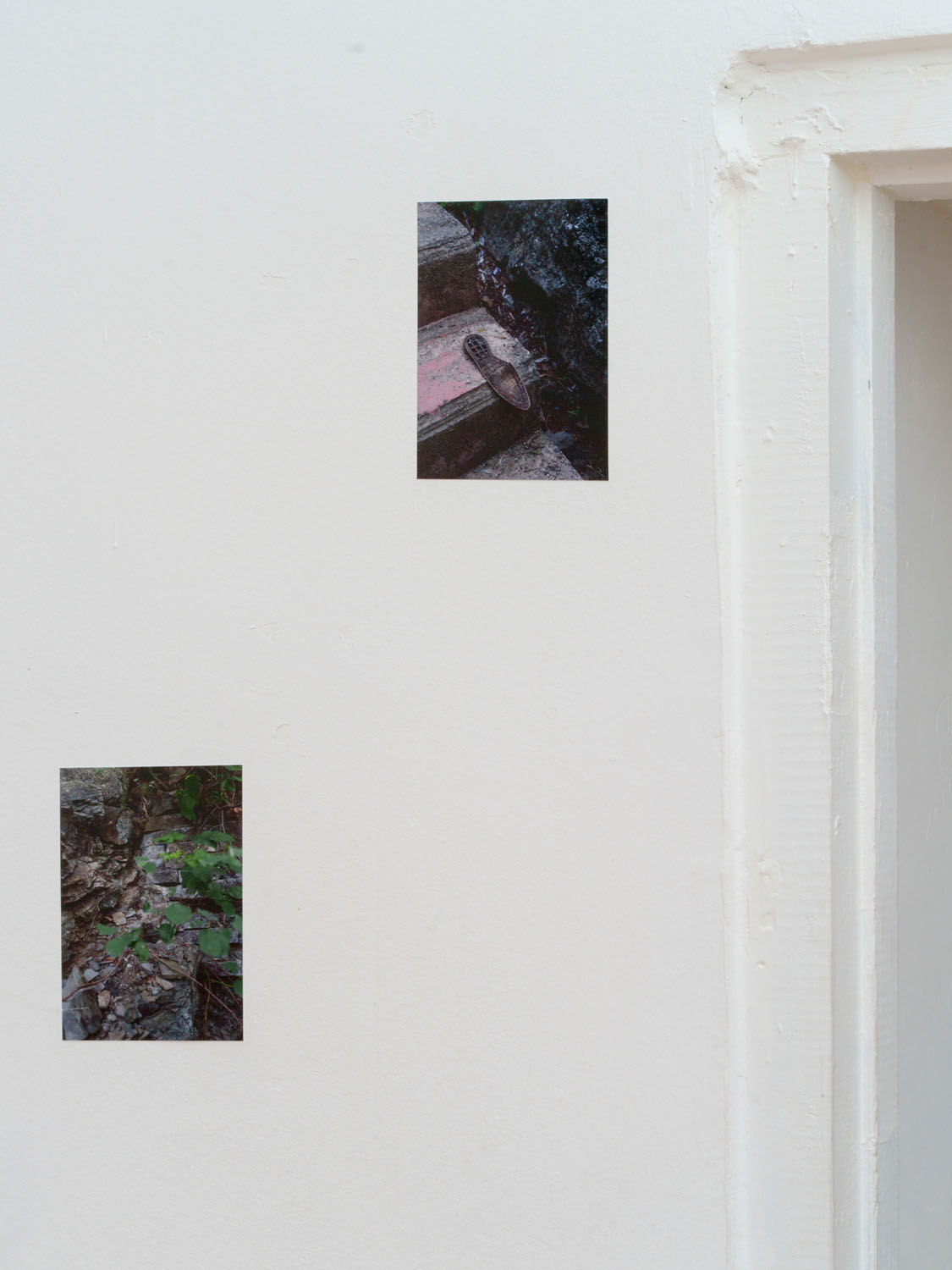
What appears today as an overgrown, almost wild forest is in fact the result of Soviet planning. Rather than treating this history as a fixed layer, the project approaches the site through its present conditions. Following the idea that space is produced through social practices, we understand this area through the ways it is inhabited and reshaped—by the movement of animals and the physical traces left by those who seek refuge there. In the absence of surveillance or formal control, the forest becomes a living record of these often hidden practices.
The work is built through shifts in distance: moving close to bodies and situations, stepping back, and returning repeatedly to the same locations. This process follows how the space changes over time and how different forms of presence emerge within it. Through photographing people, terrain, and traces of their mutual formation, we observe how identities and modes of coexistence emerge within this shifting landscape.
In collaboration with Vladimir Seleznev
Such a space is found on a slope of Mount Mtatsminda, a liminal area between the city below and the regulated amusement park above. At once close and hidden, difficult to access and therefore loosely regulated, this urban forest becomes a sanctuary where groups that might otherwise clash or feel unsafe can coexist. It forms a distinct social landscape in which the park itself actively shapes relations between people and the environment.
What appears today as an overgrown, almost wild forest is in fact the result of Soviet planning. Rather than treating this history as a fixed layer, the project approaches the site through its present conditions. Following the idea that space is produced through social practices, we understand this area through the ways it is inhabited and reshaped—by the movement of animals and the physical traces left by those who seek refuge there. In the absence of surveillance or formal control, the forest becomes a living record of these often hidden practices.
The work is built through shifts in distance: moving close to bodies and situations, stepping back, and returning repeatedly to the same locations. This process follows how the space changes over time and how different forms of presence emerge within it. Through photographing people, terrain, and traces of their mutual formation, we observe how identities and modes of coexistence emerge within this shifting landscape.
In collaboration with Vladimir Seleznev
We are interested in the sense of freedom that can emerge in parts of a city where visibility and control begin to loosen. In Tbilisi, where patriarchal structures remain strong amid ongoing social shifts, we seek out places that allow for distance from dominant norms and political directives—spaces where one can simply be, regardless of origin, gender, or status.
Such a space is found on a slope of Mount Mtatsminda, a liminal area between the city below and the regulated amusement park above. At once close and hidden, difficult to access and therefore loosely regulated, this urban forest becomes a sanctuary where groups that might otherwise clash or feel unsafe can coexist. It forms a distinct social landscape in which the park itself actively shapes relations between people and the environment.
What appears today as an overgrown, almost wild forest is in fact the result of Soviet planning. Rather than treating this history as a fixed layer, the project approaches the site through its present conditions. Following the idea that space is produced through social practices, we understand this area through the ways it is inhabited and reshaped—by the movement of animals and the physical traces left by those who seek refuge there. In the absence of surveillance or formal control, the forest becomes a living record of these often hidden practices.
The work is built through shifts in distance: moving close to bodies and situations, stepping back, and returning repeatedly to the same locations. This process follows how the space changes over time and how different forms of presence emerge within it. Through photographing people, terrain, and traces of their mutual formation, we observe how identities and modes of coexistence emerge within this shifting landscape.
In collaboration with Vladimir Seleznev
Such a space is found on a slope of Mount Mtatsminda, a liminal area between the city below and the regulated amusement park above. At once close and hidden, difficult to access and therefore loosely regulated, this urban forest becomes a sanctuary where groups that might otherwise clash or feel unsafe can coexist. It forms a distinct social landscape in which the park itself actively shapes relations between people and the environment.
What appears today as an overgrown, almost wild forest is in fact the result of Soviet planning. Rather than treating this history as a fixed layer, the project approaches the site through its present conditions. Following the idea that space is produced through social practices, we understand this area through the ways it is inhabited and reshaped—by the movement of animals and the physical traces left by those who seek refuge there. In the absence of surveillance or formal control, the forest becomes a living record of these often hidden practices.
The work is built through shifts in distance: moving close to bodies and situations, stepping back, and returning repeatedly to the same locations. This process follows how the space changes over time and how different forms of presence emerge within it. Through photographing people, terrain, and traces of their mutual formation, we observe how identities and modes of coexistence emerge within this shifting landscape.
In collaboration with Vladimir Seleznev