

Whiteout
2022-ongoing
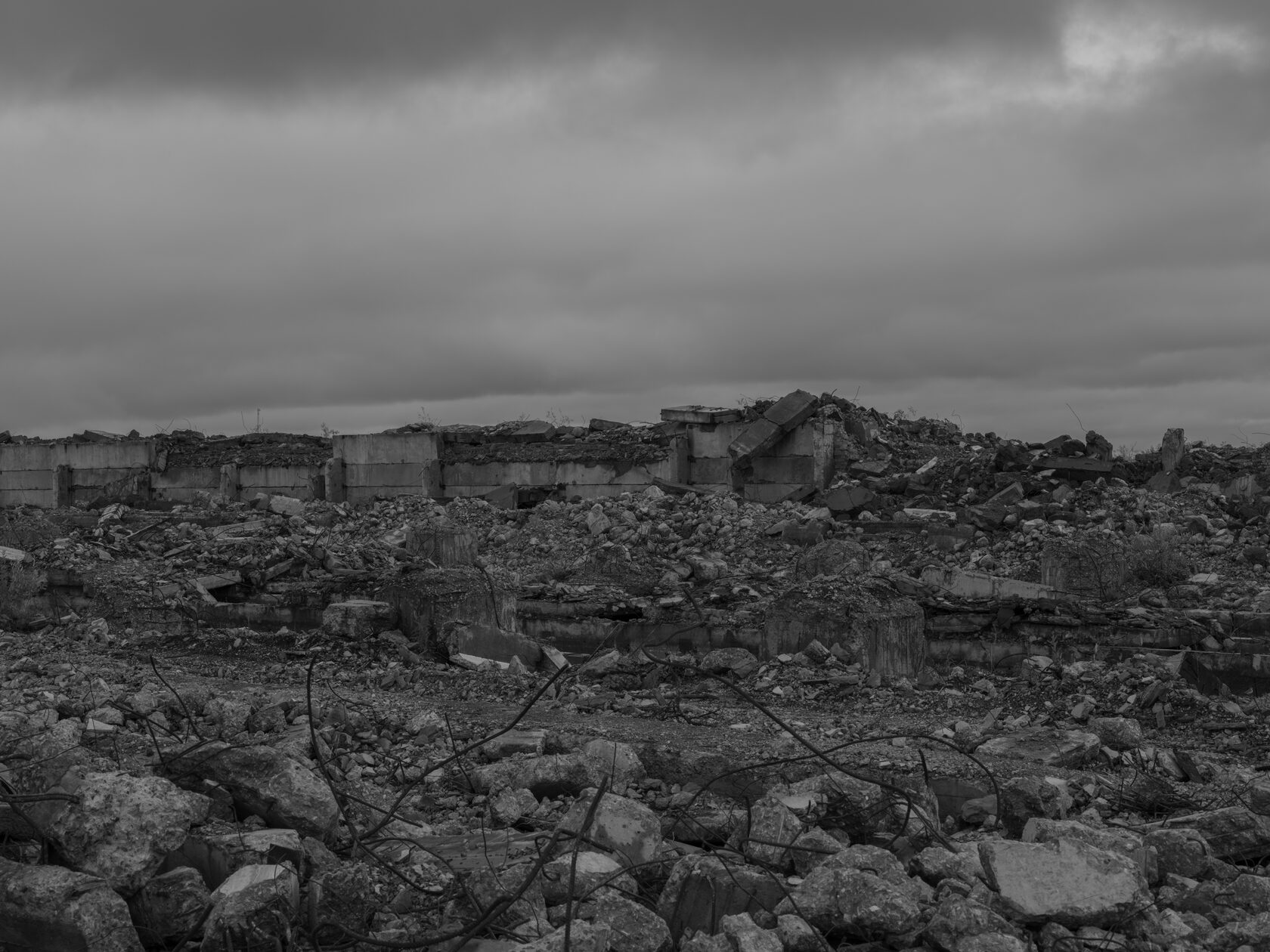
Whiteout traces how territories shaped by imperial expansion continue to transform after the political and ideological systems that formed them begin to erode. Through rephotography and long-term observation, the project examines how the material remnants of these systems persist across landscapes, infrastructures, and images.
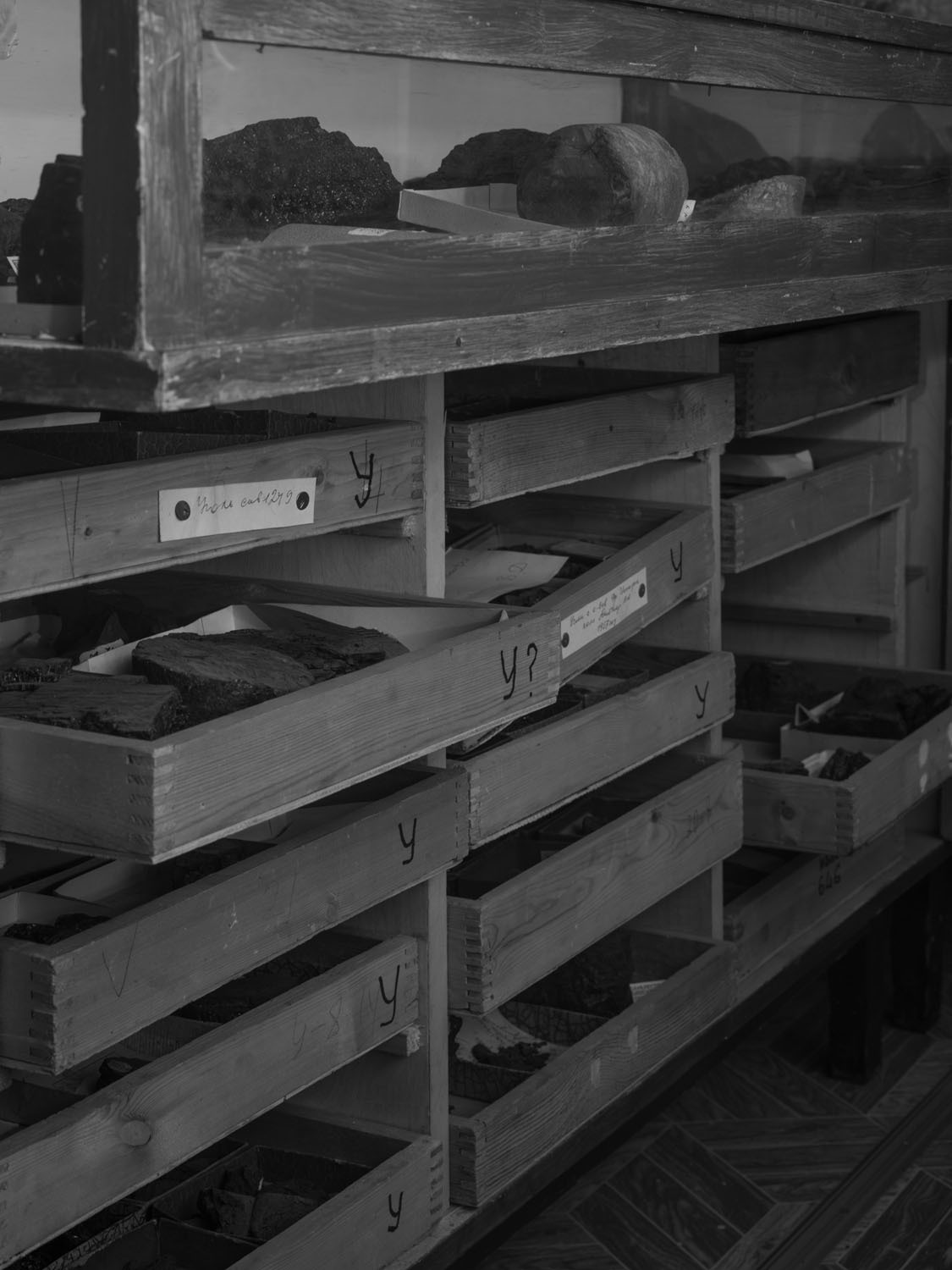
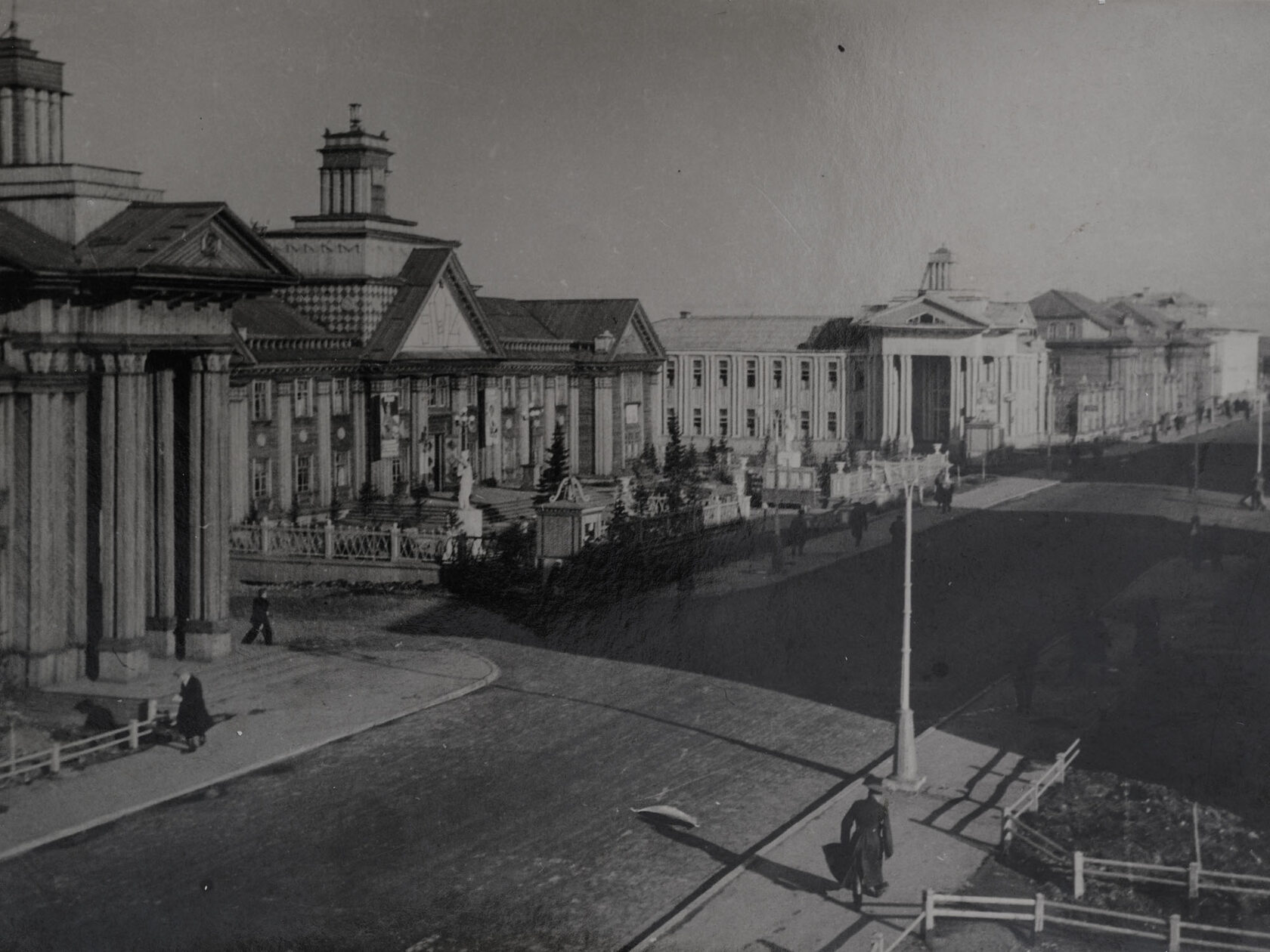
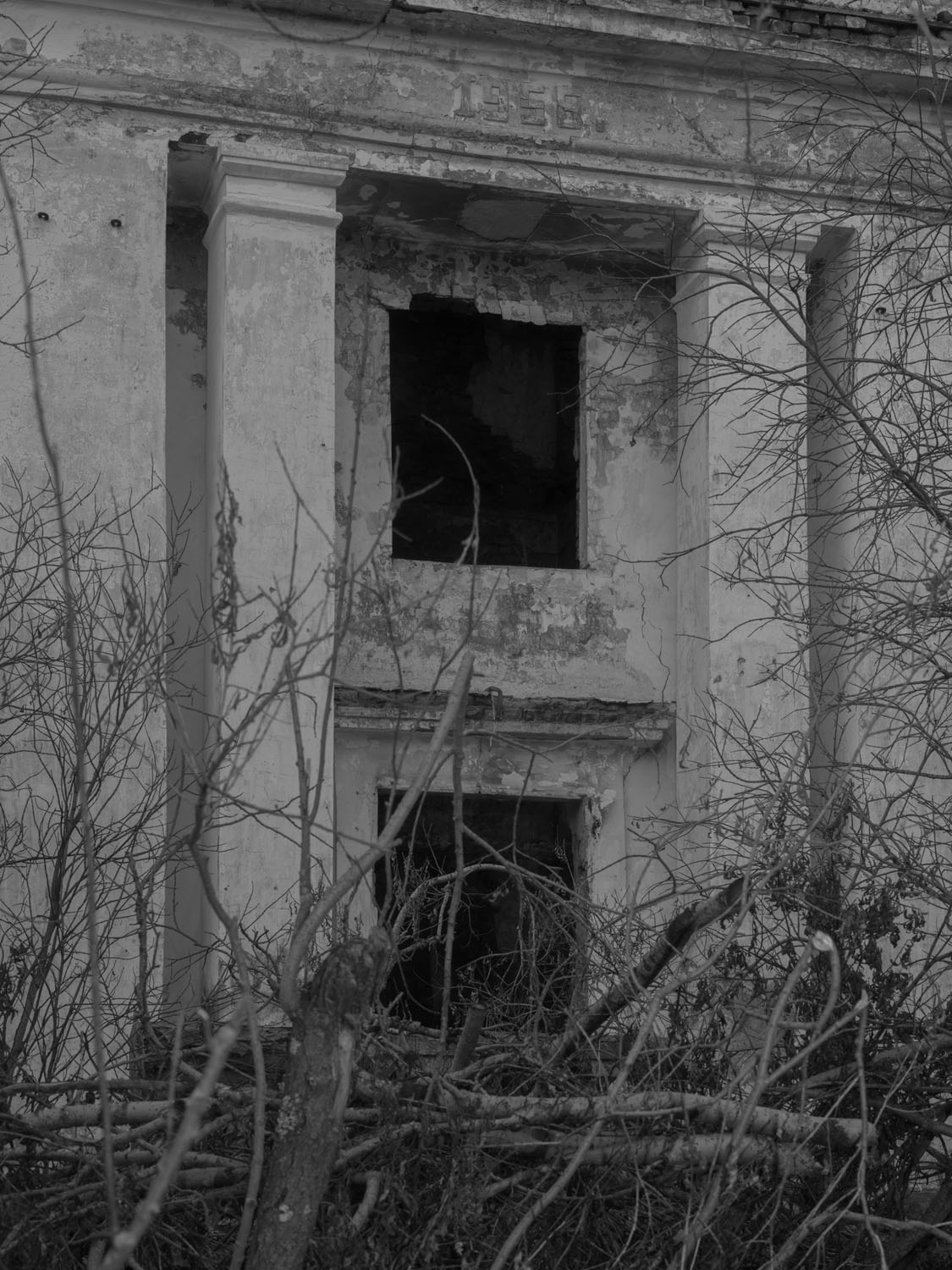
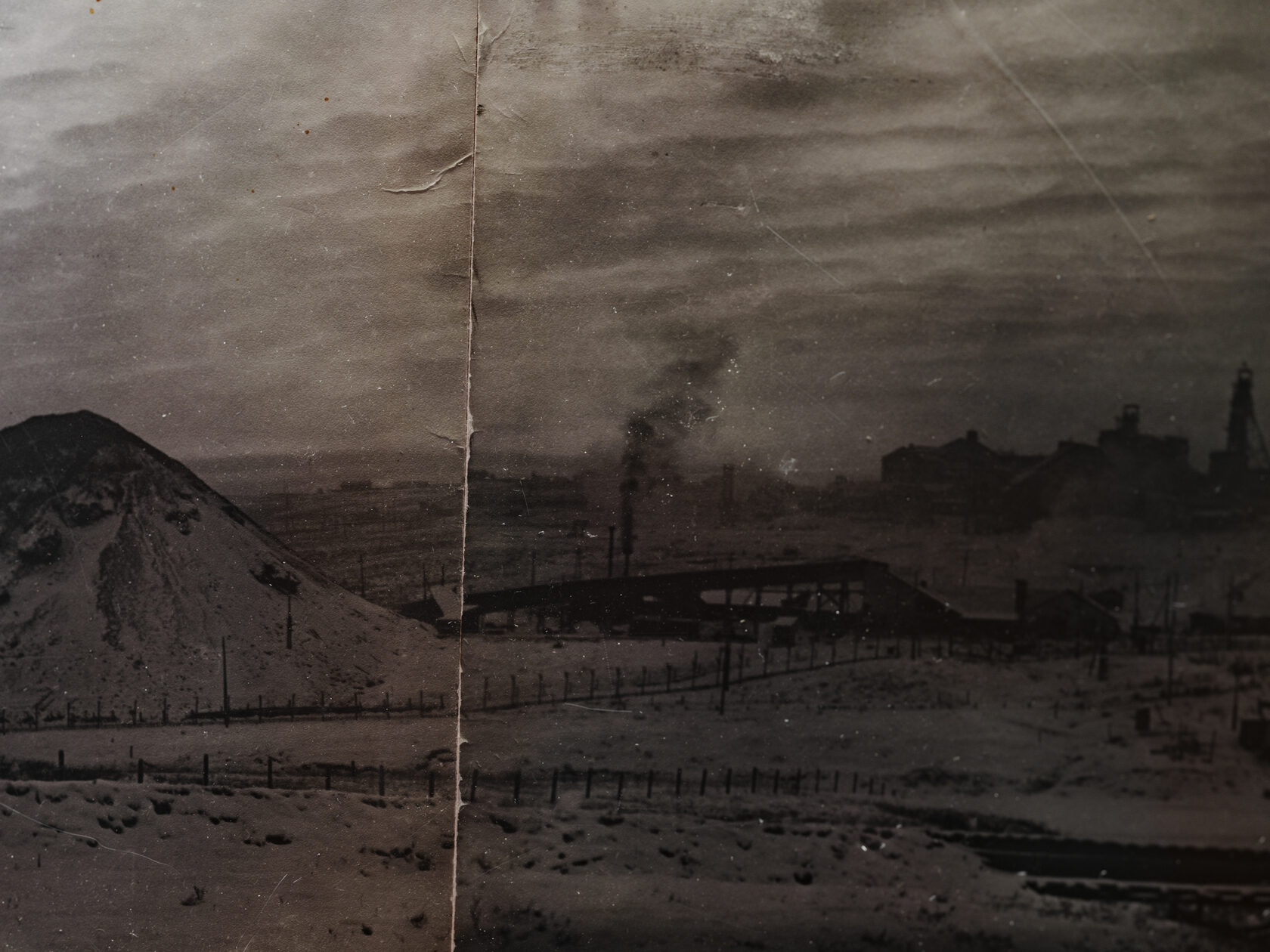
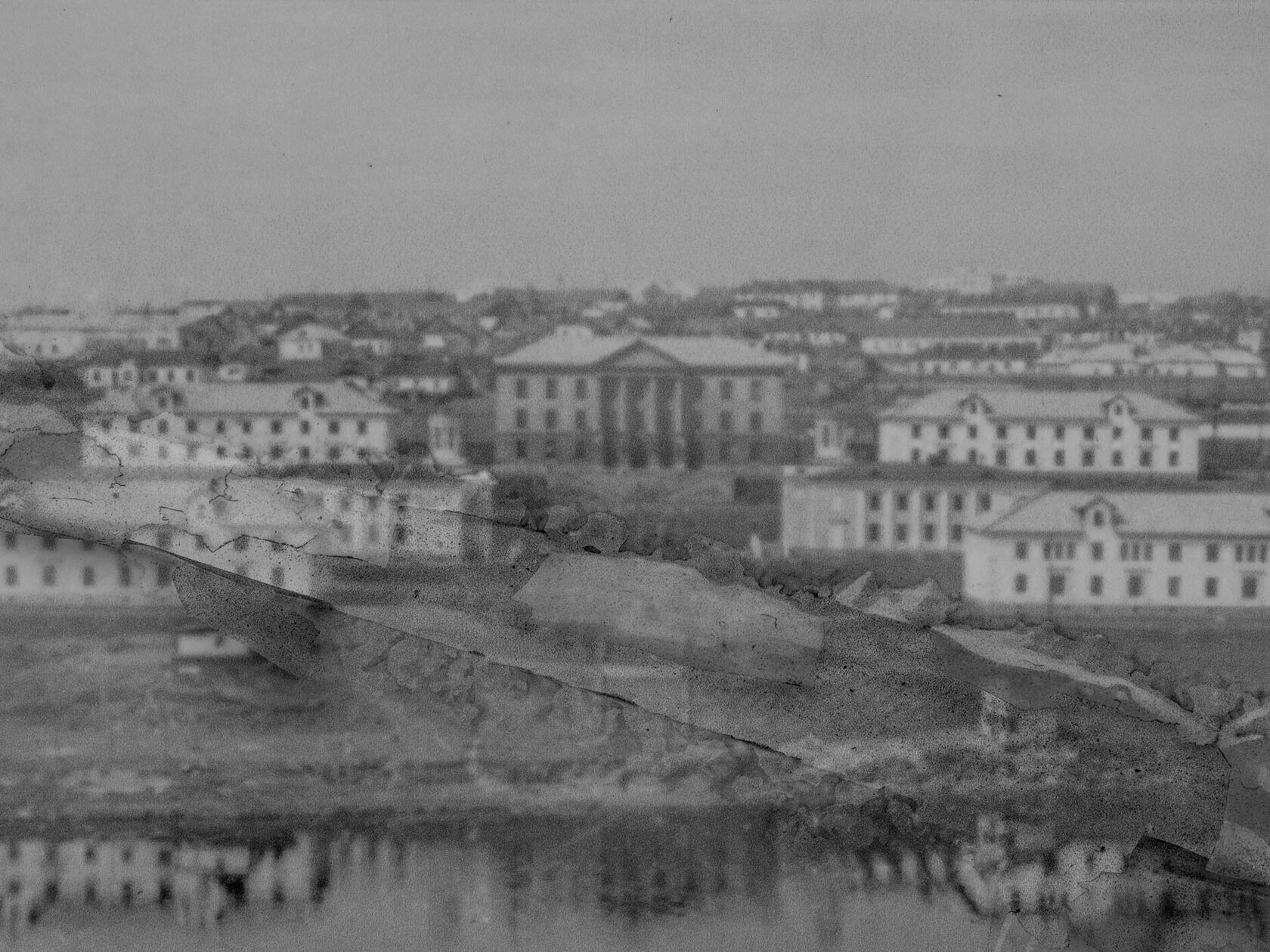
Set in Vorkuta, an Arctic city rooted in forced labour, coal extraction, and industrial planning, this project considers a territory formed through Soviet expansion. During the Soviet era, the conquest of this territory served as both a symbolic and material assertion of power. Monumental architecture constructed a representational façade that obscured the systematic exploitation of both people and land.
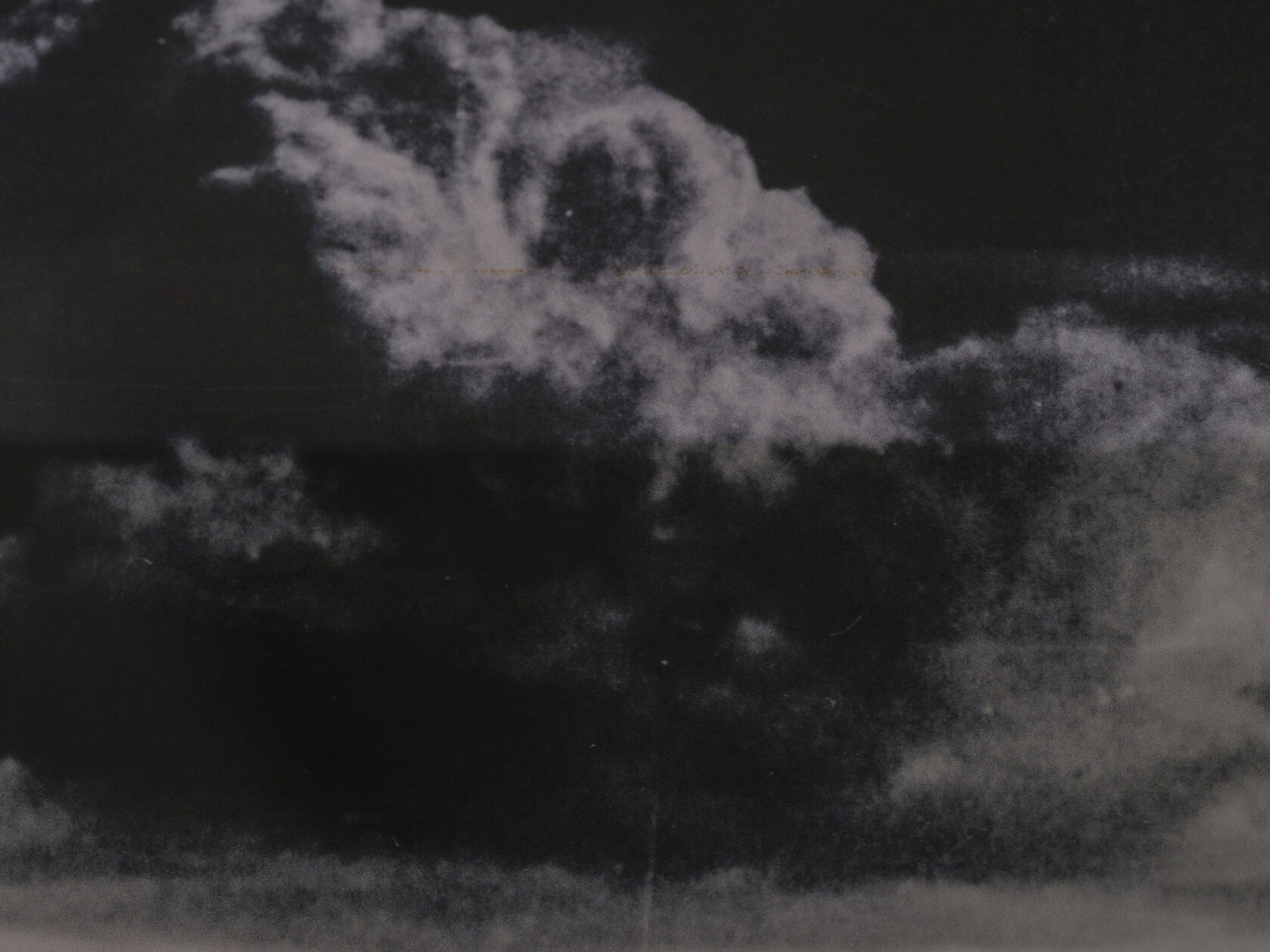
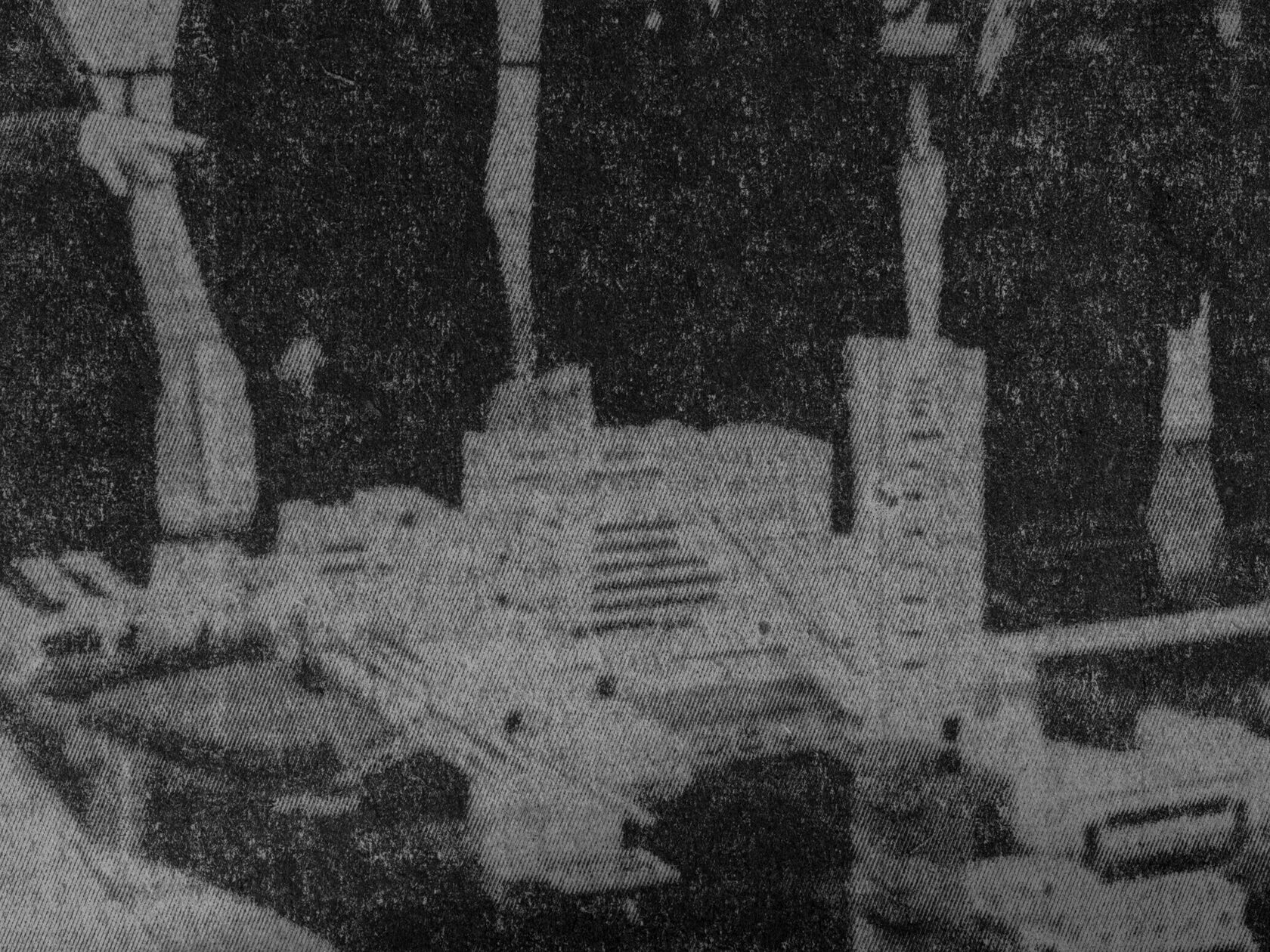
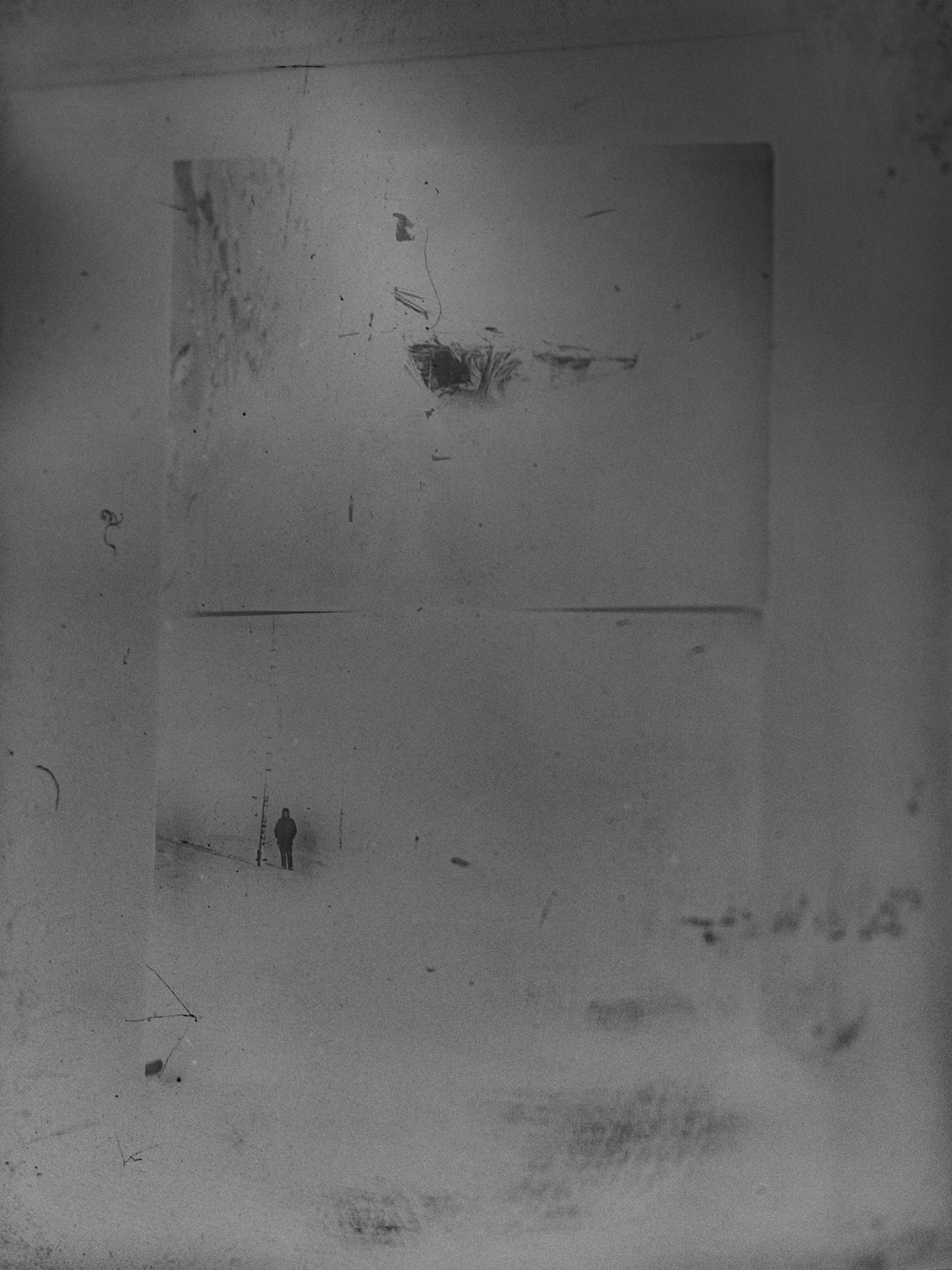
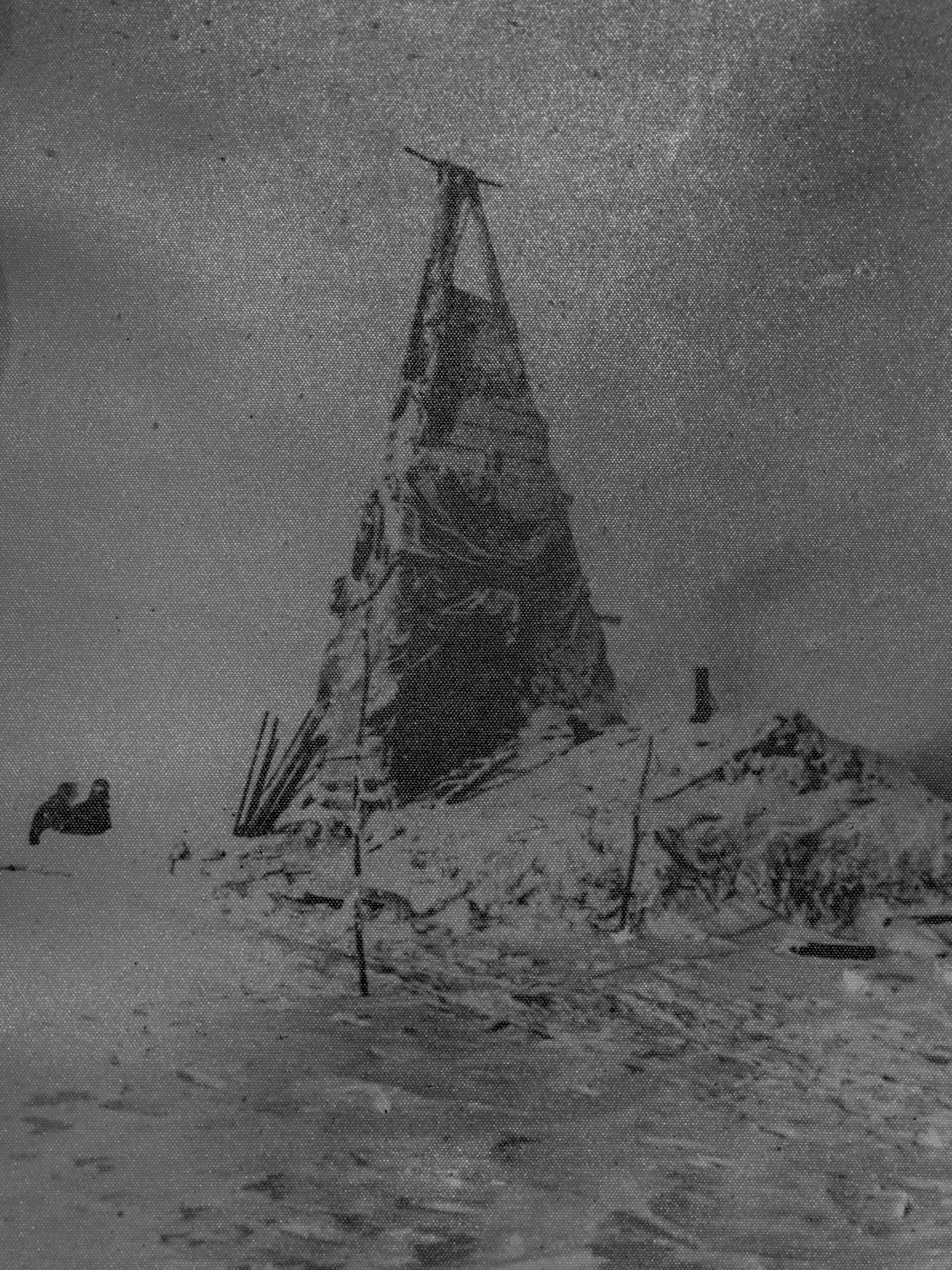
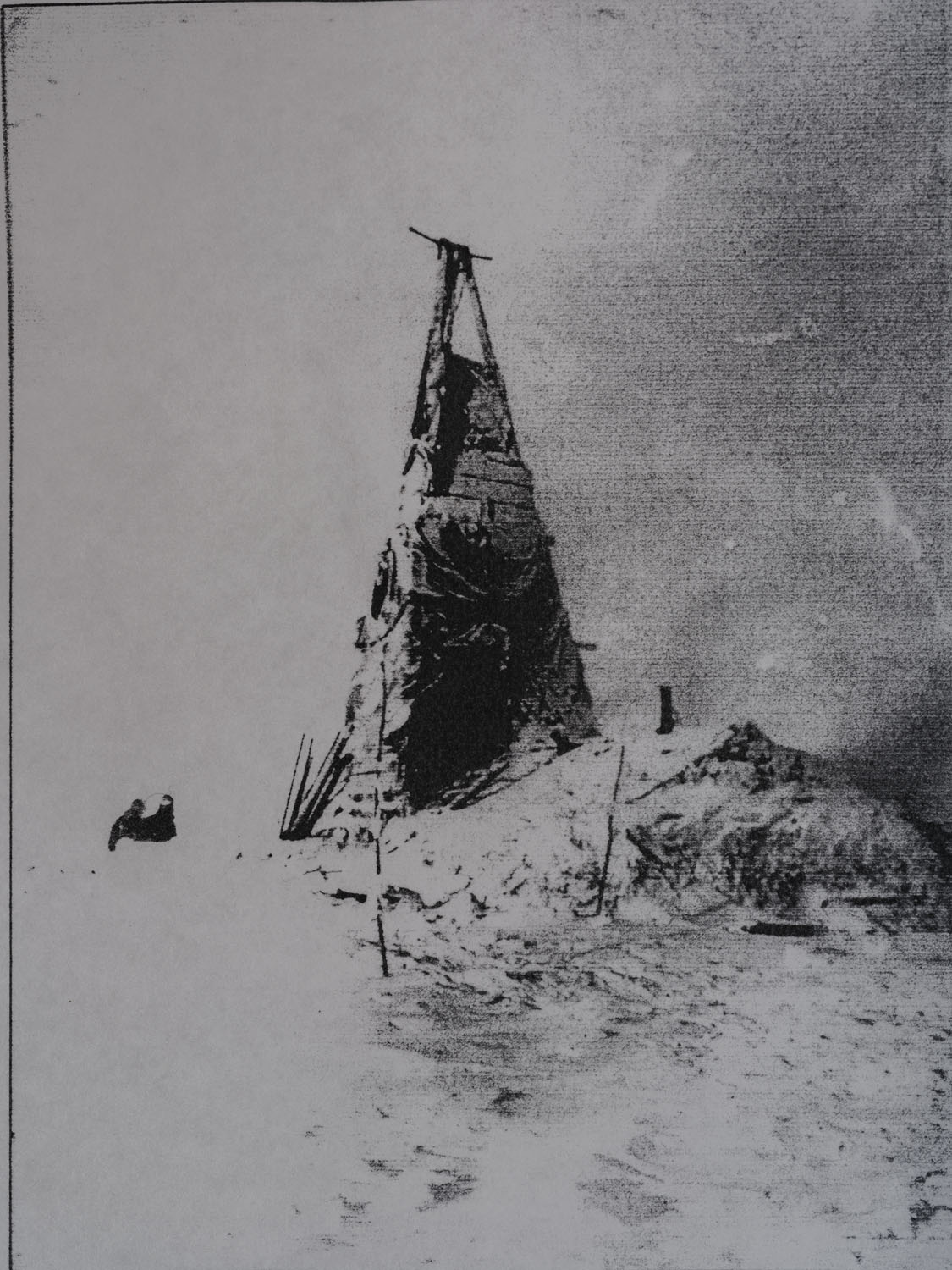
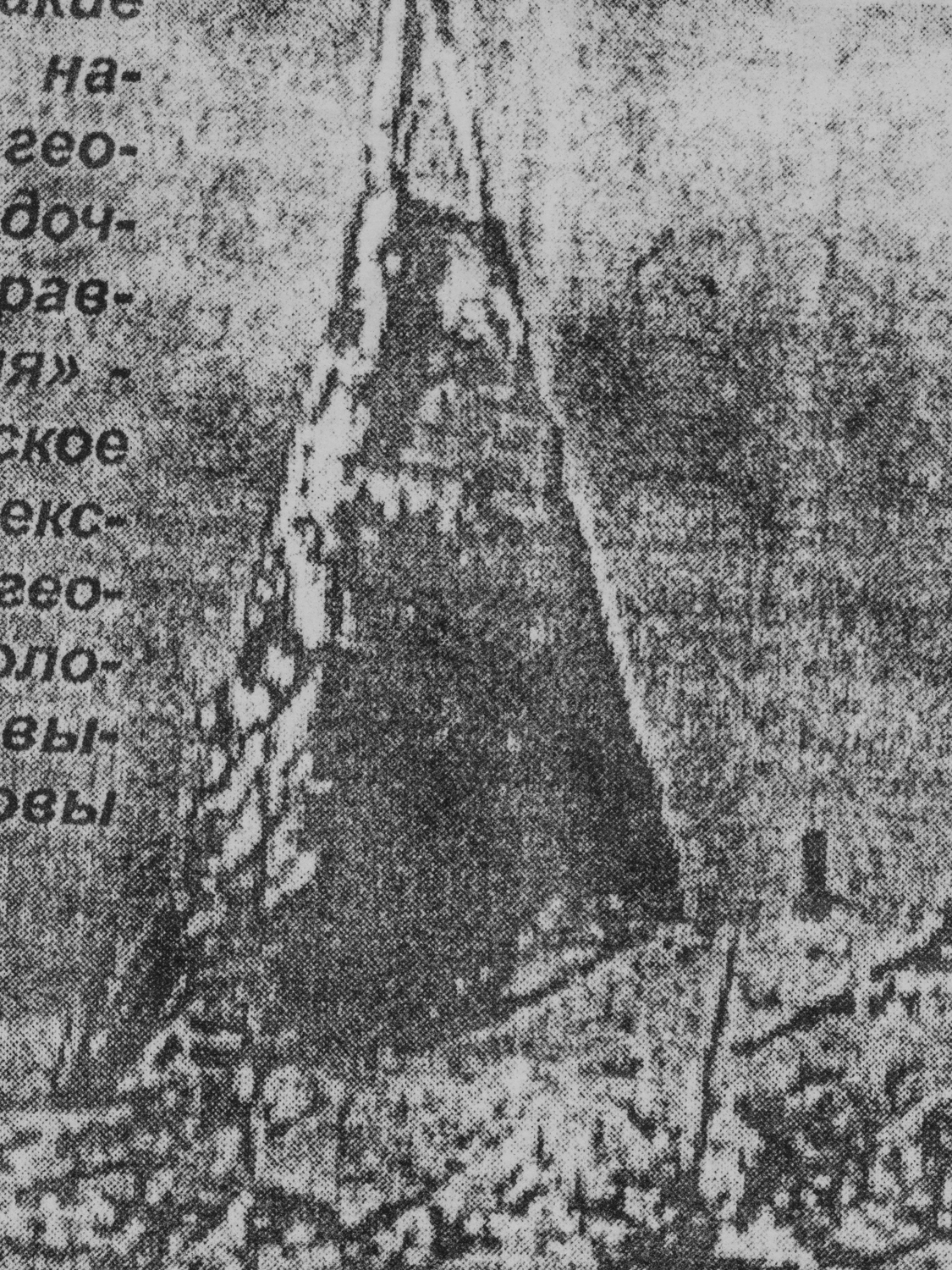
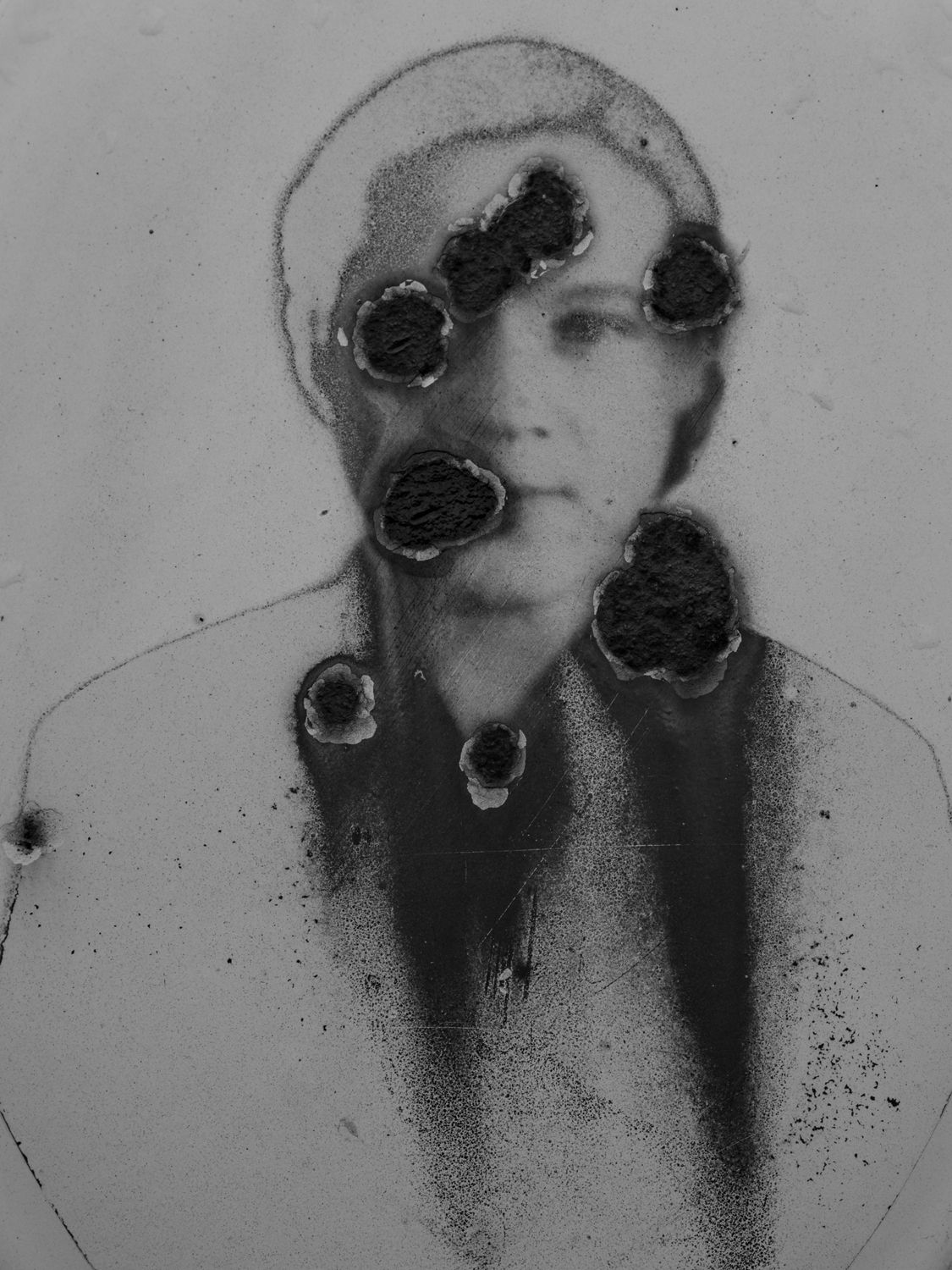
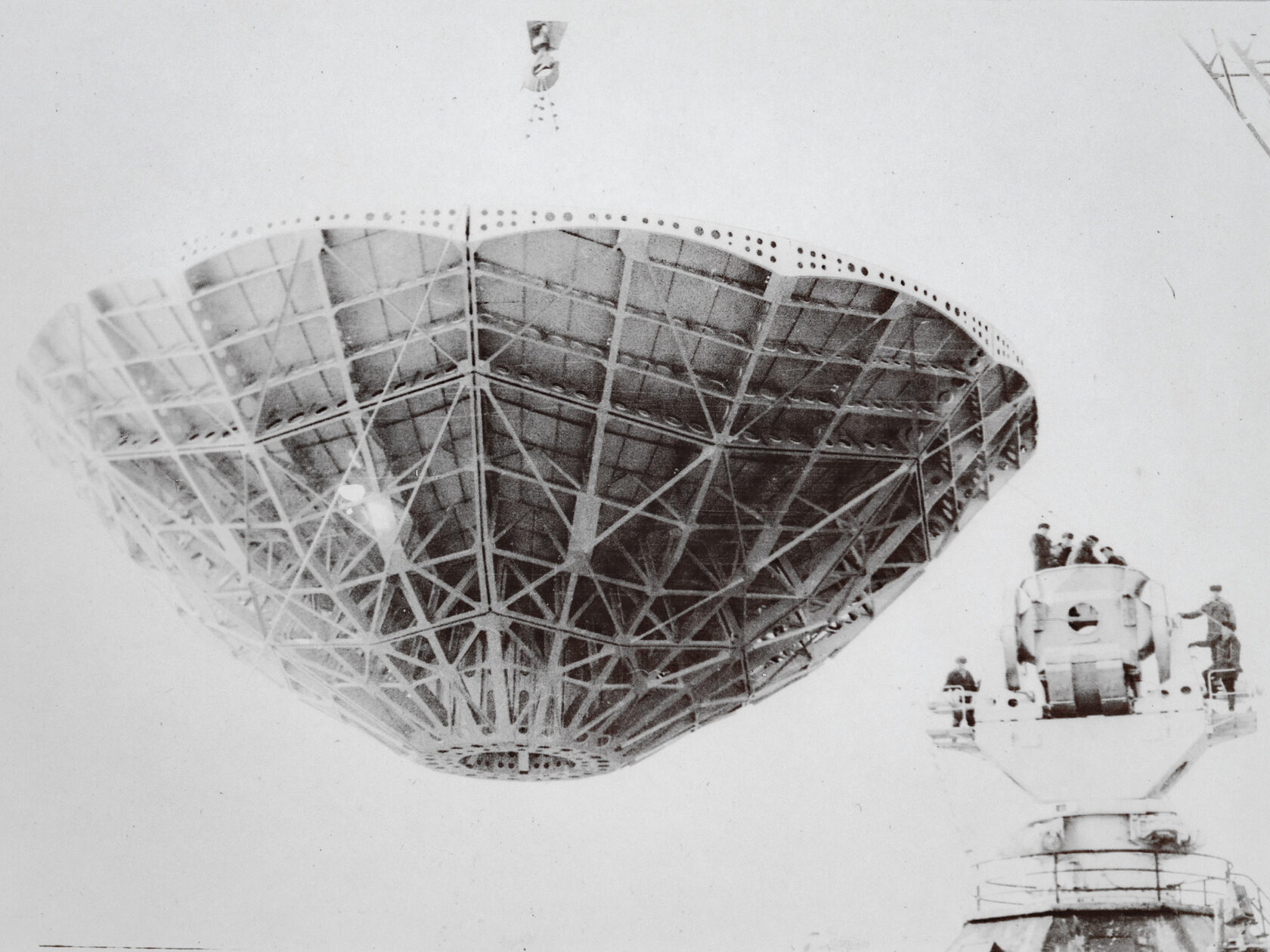
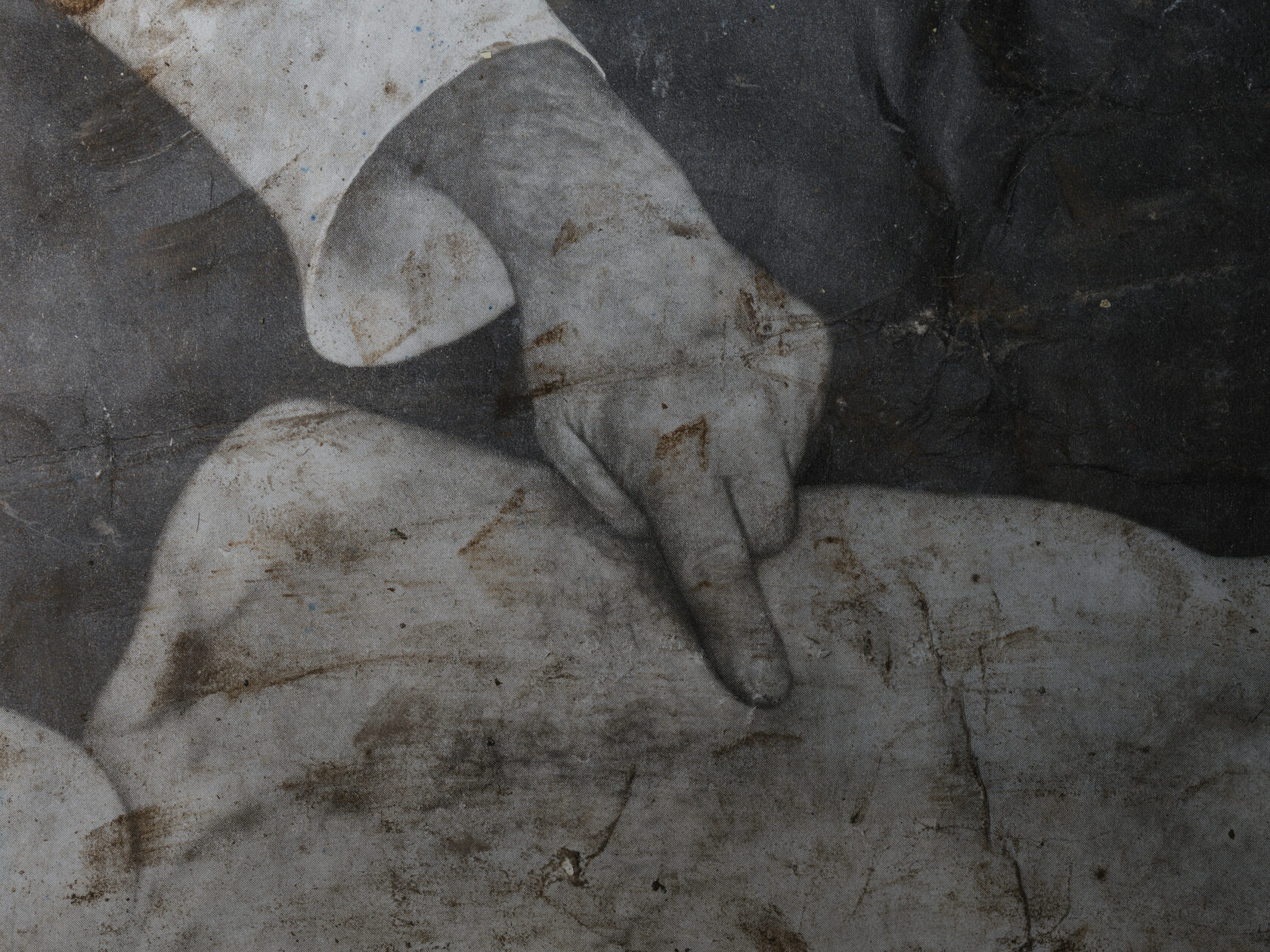
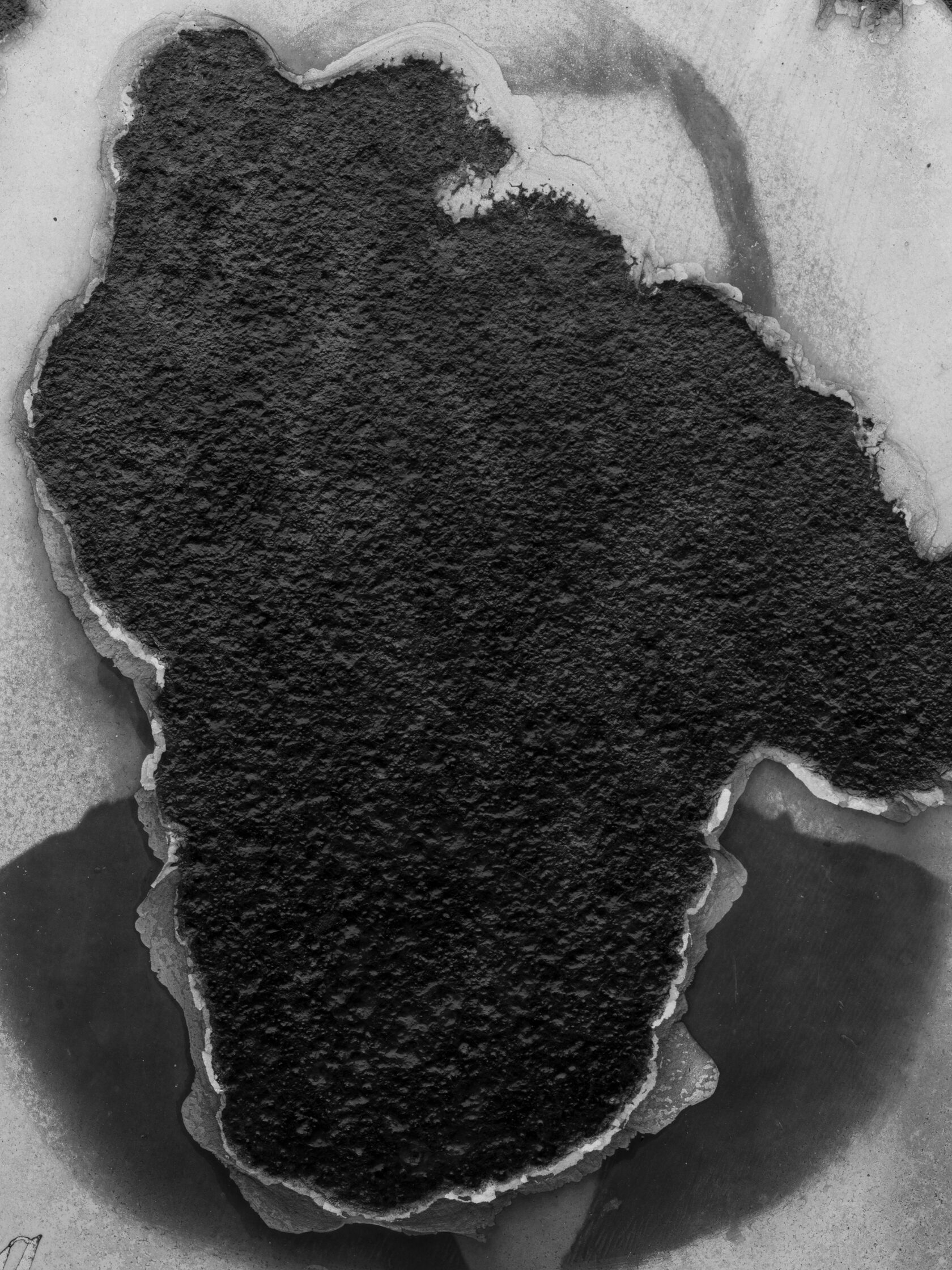
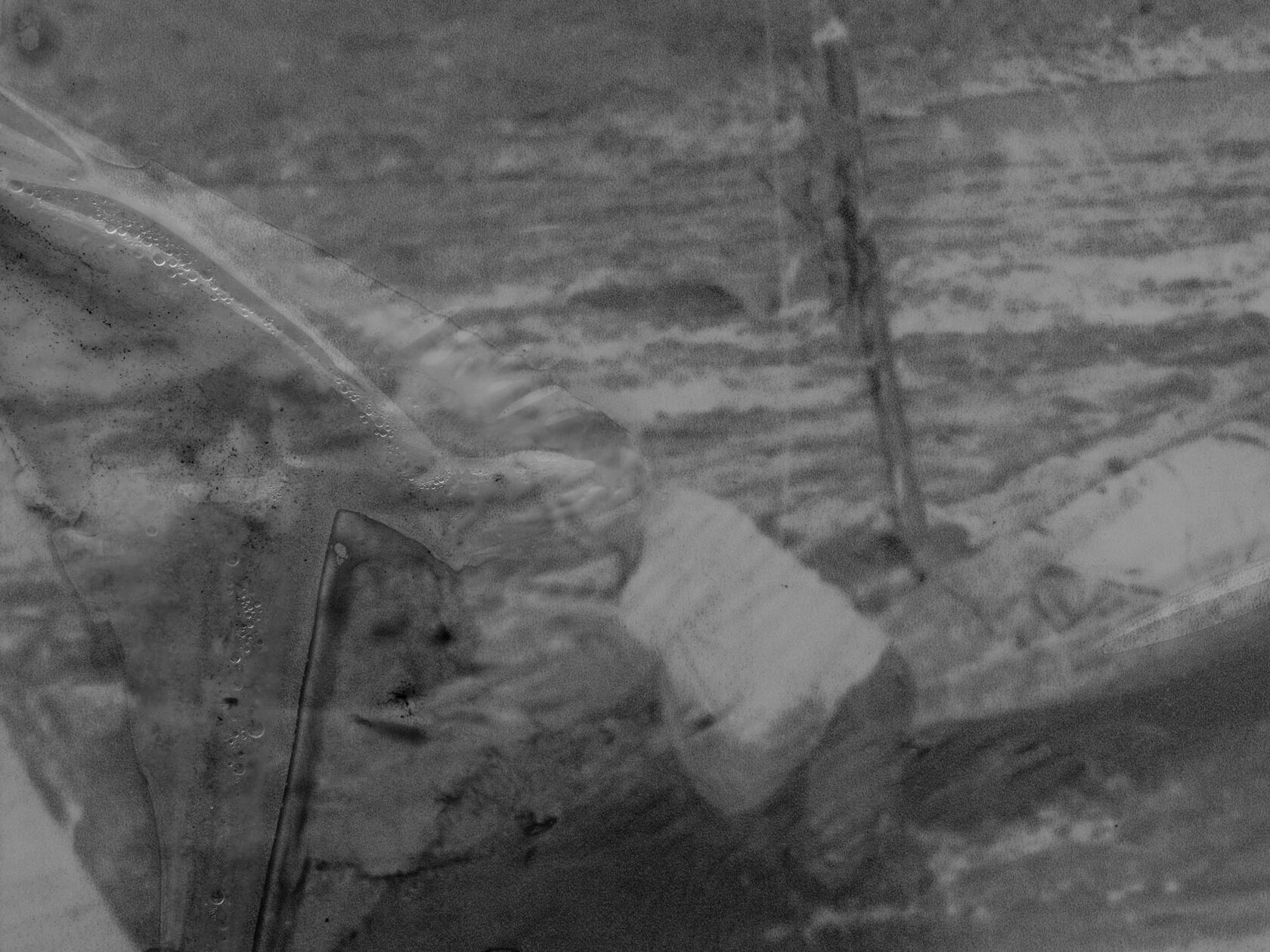
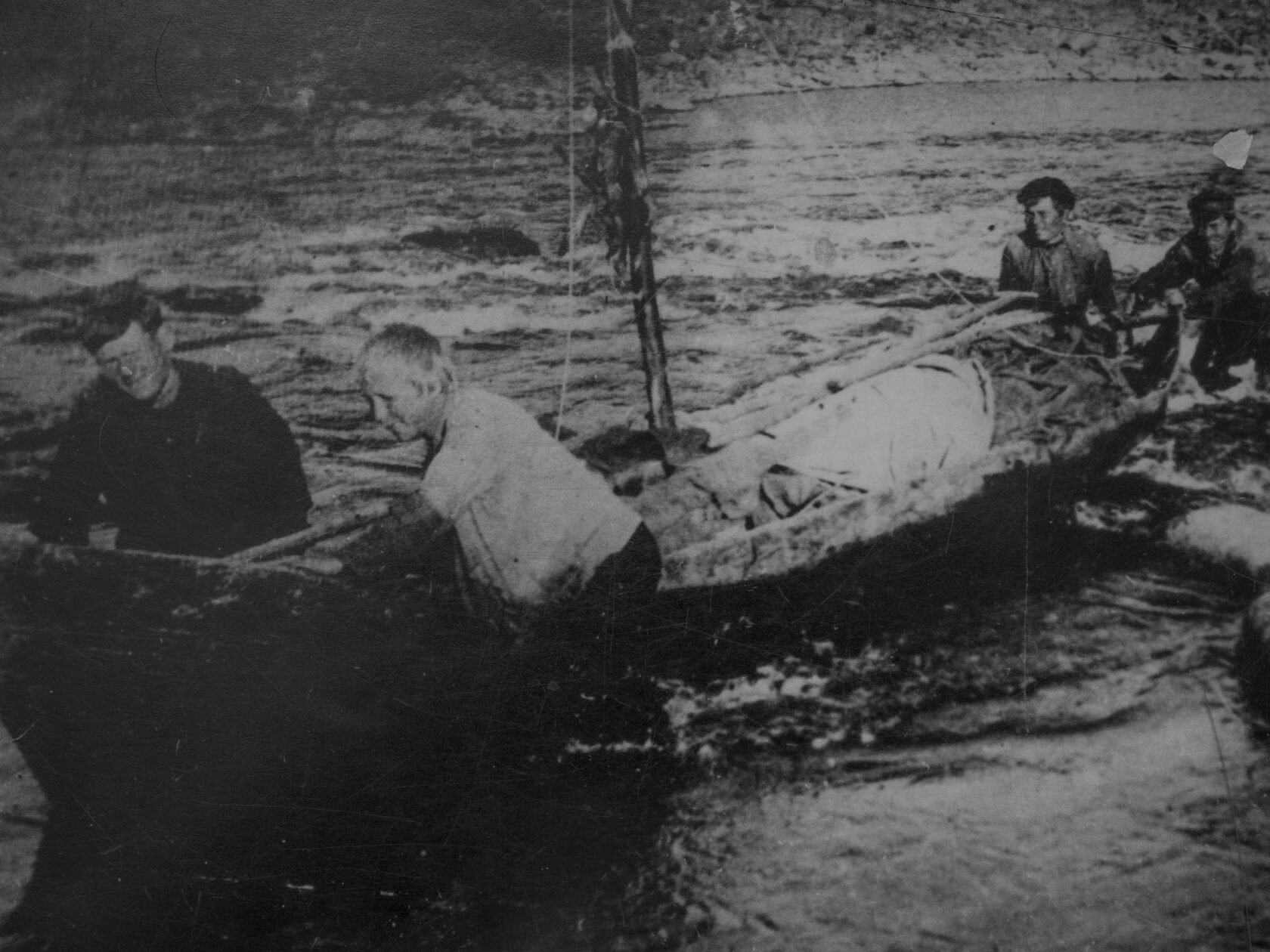
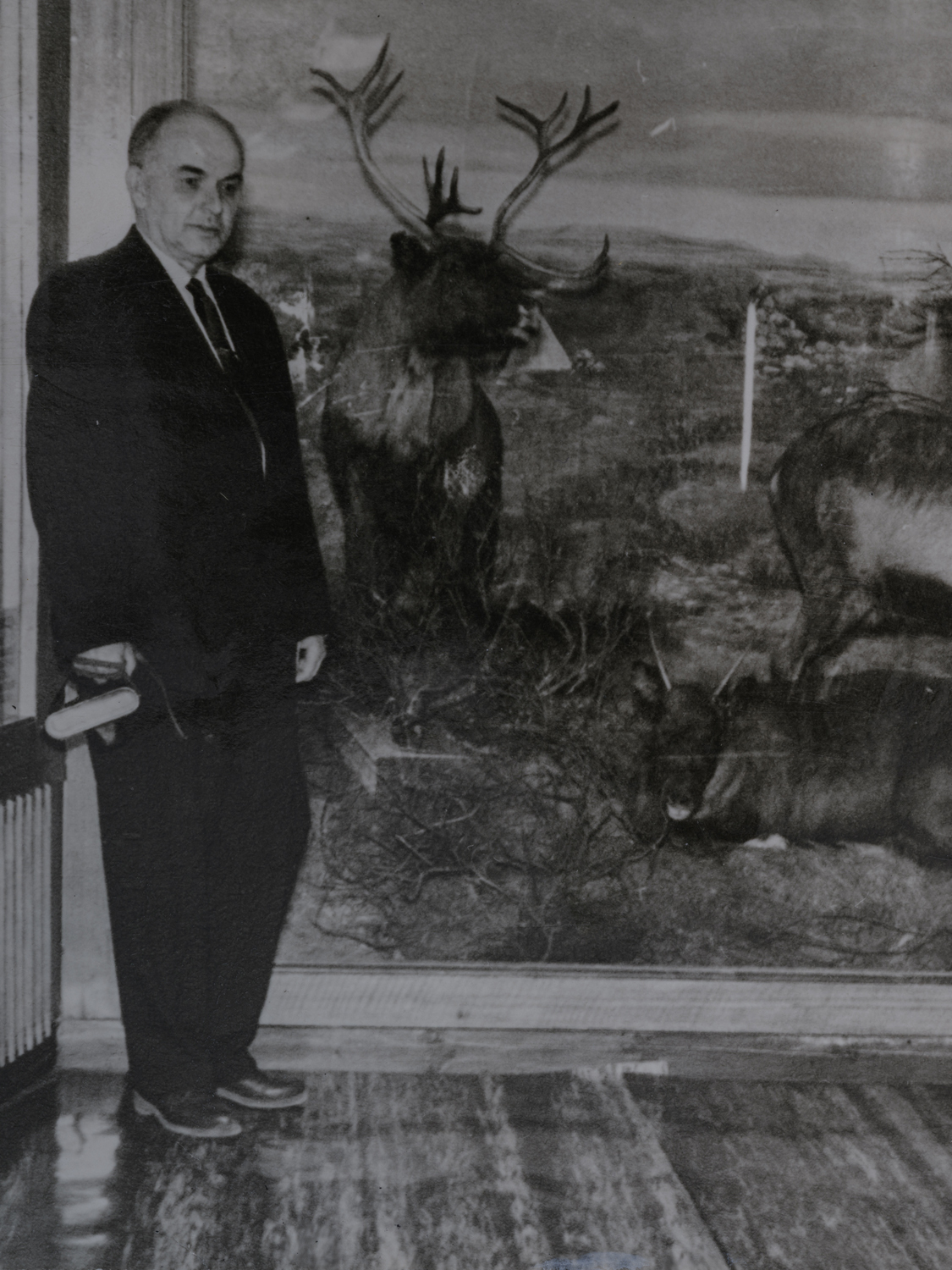
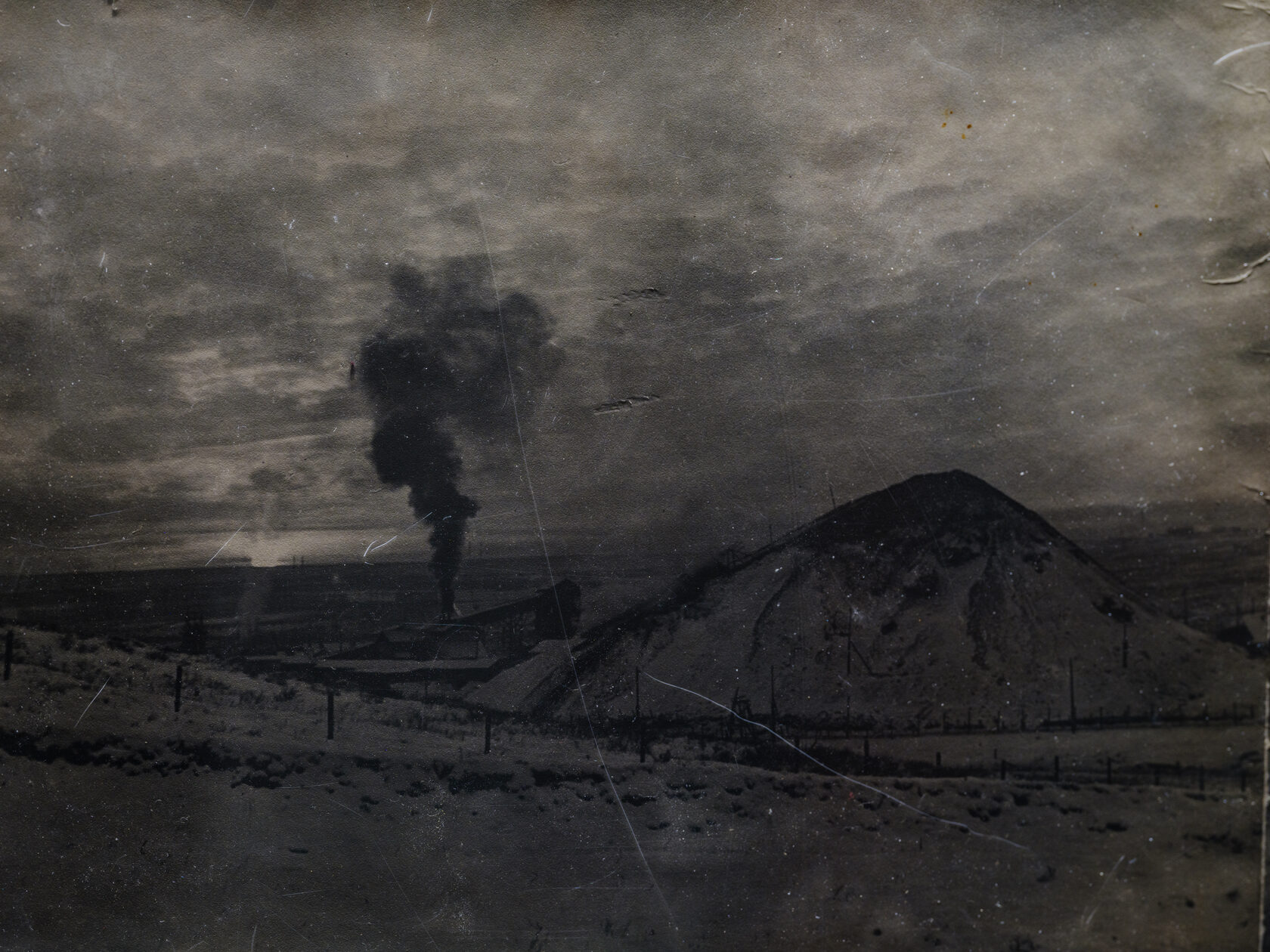
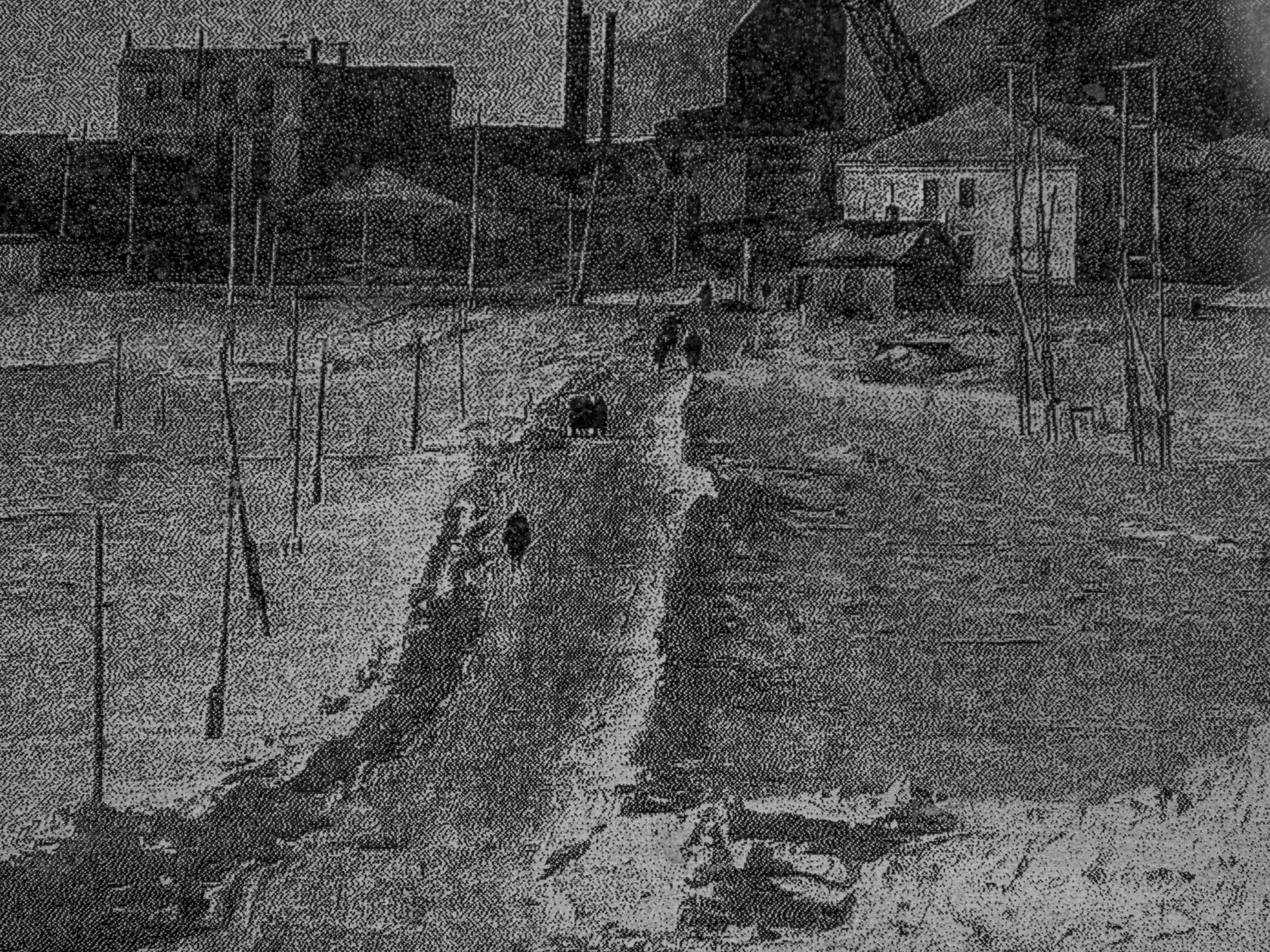
I work with archival images found in local museums, newspapers, abandoned apartments, public displays, and private collections. The same photographs often reappear in different contexts: reproduced in exhibitions, printed in newspapers, or displayed in urban space. As they circulate, their meanings shift together with their material condition, accumulating new captions, alterations, or traces of damage. I approach photographs as material objects whose surfaces continue to transform through exposure, reproduction, circulation, and physical decay.
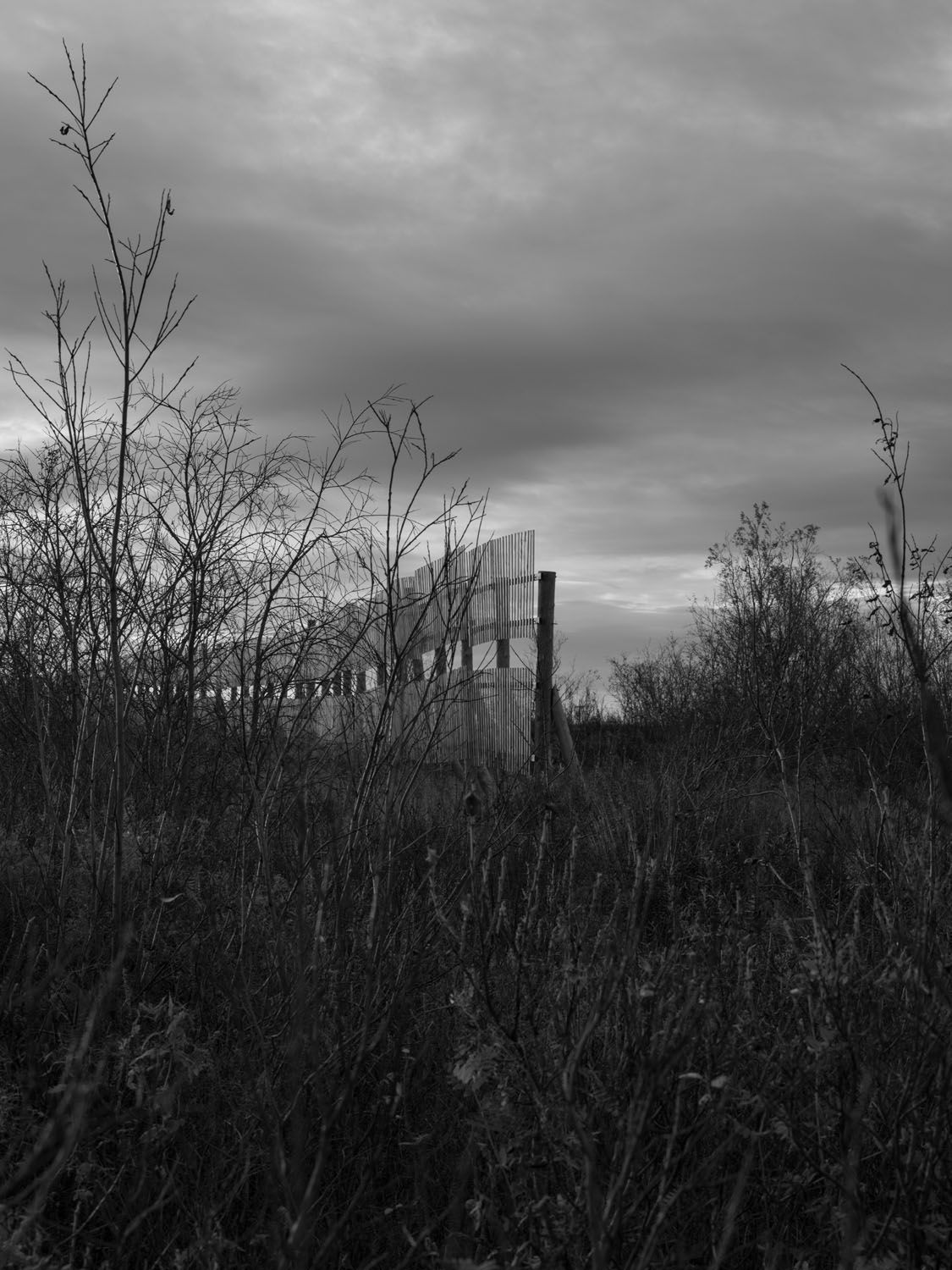
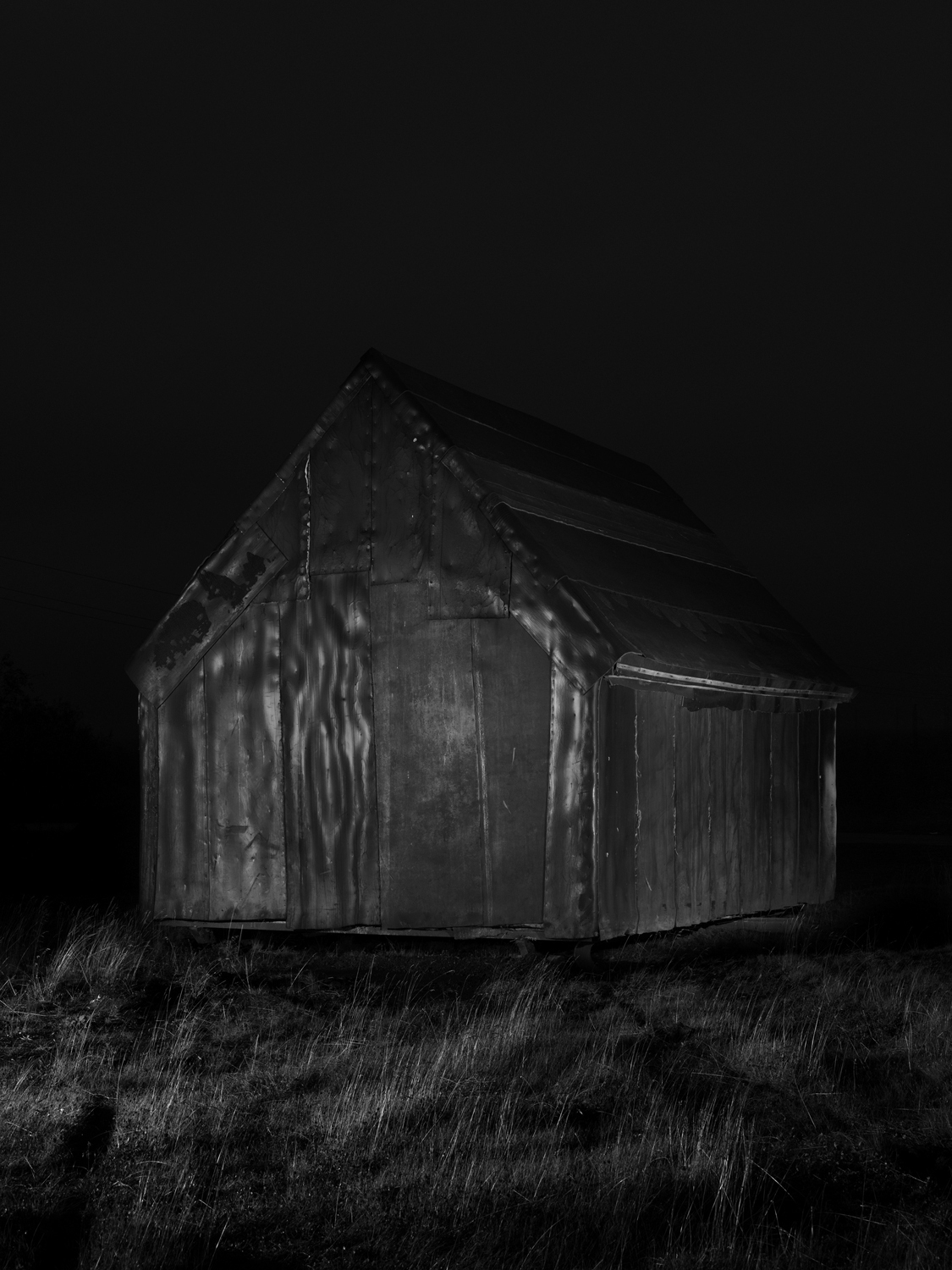
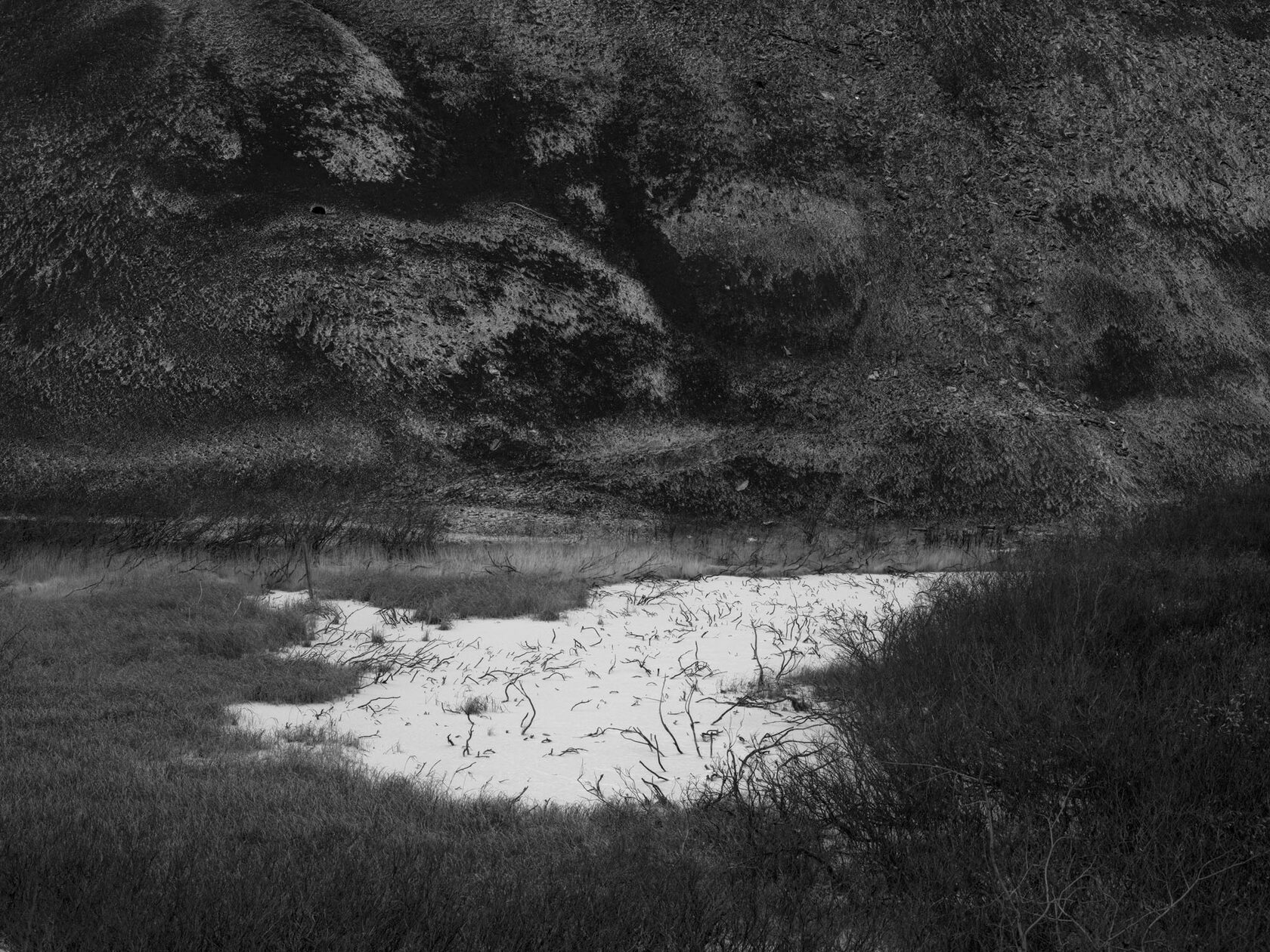
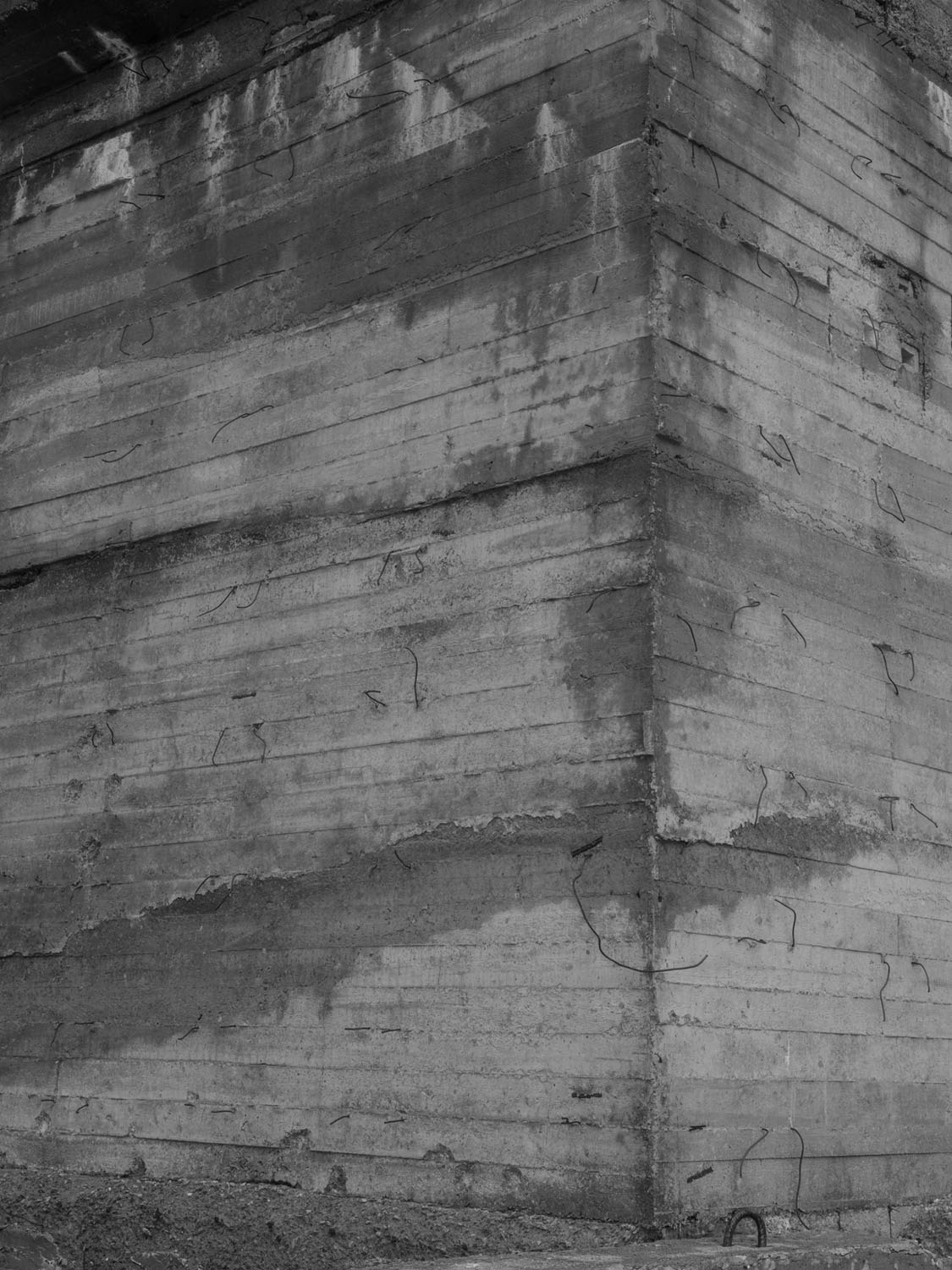
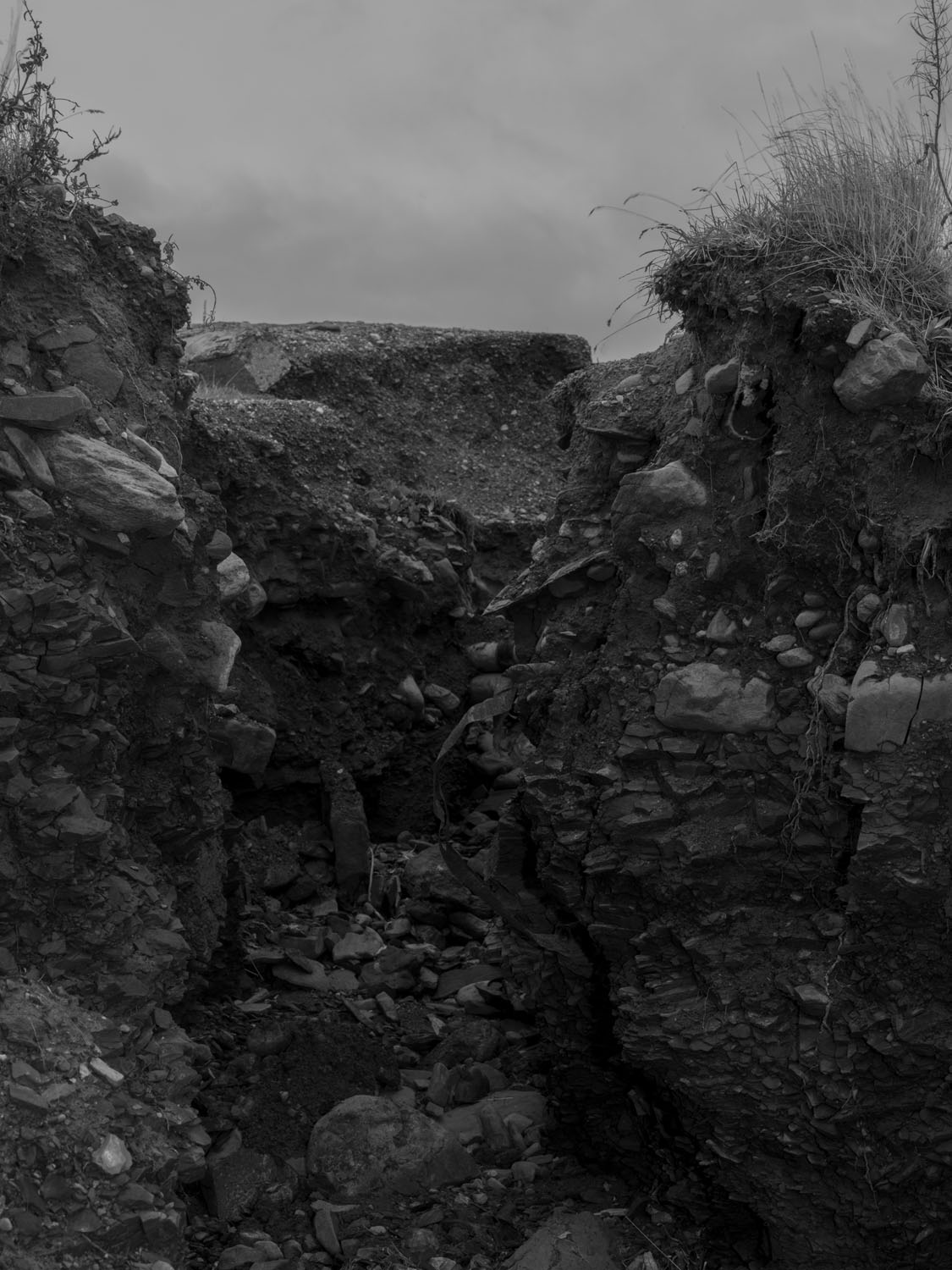
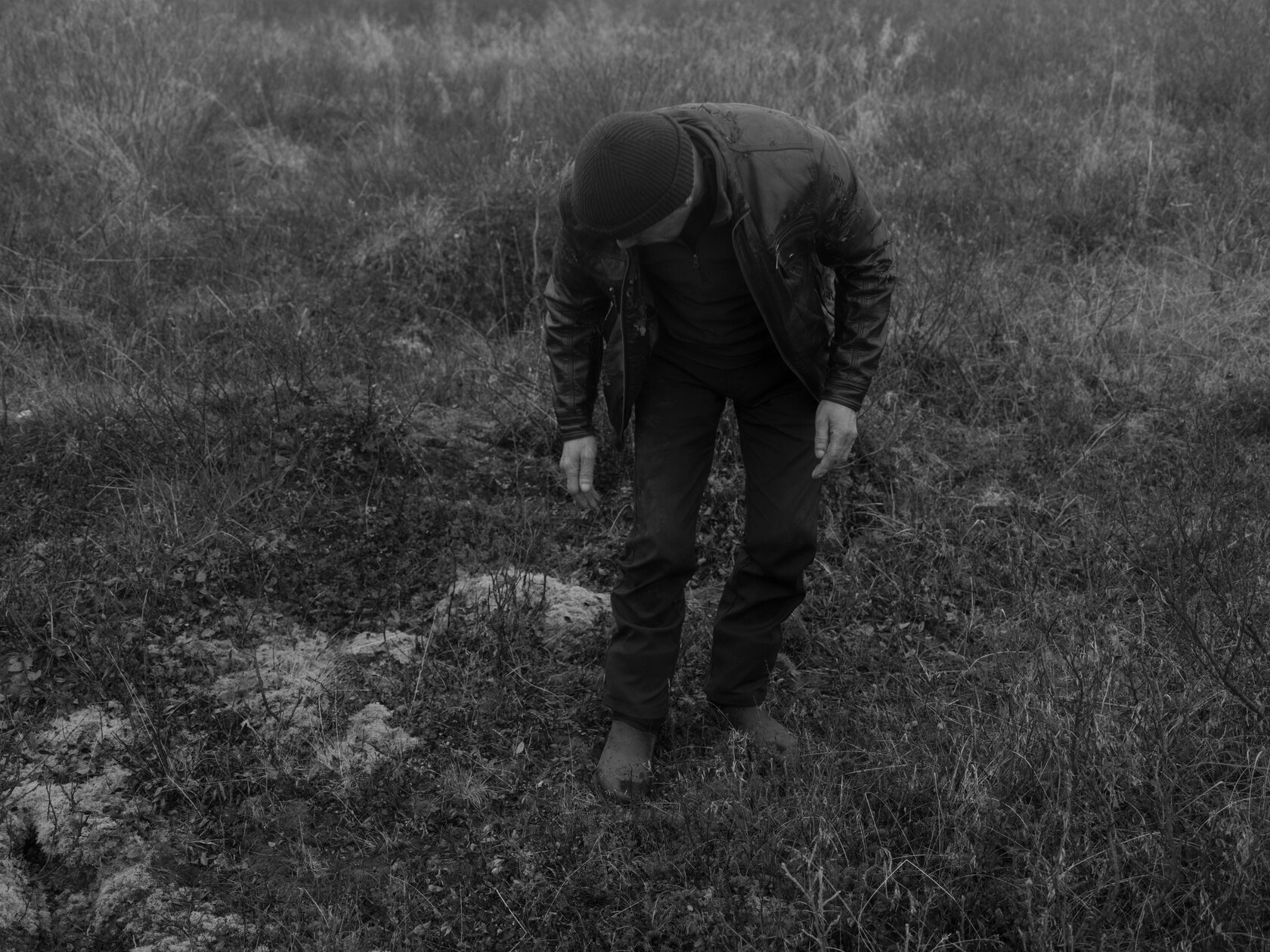
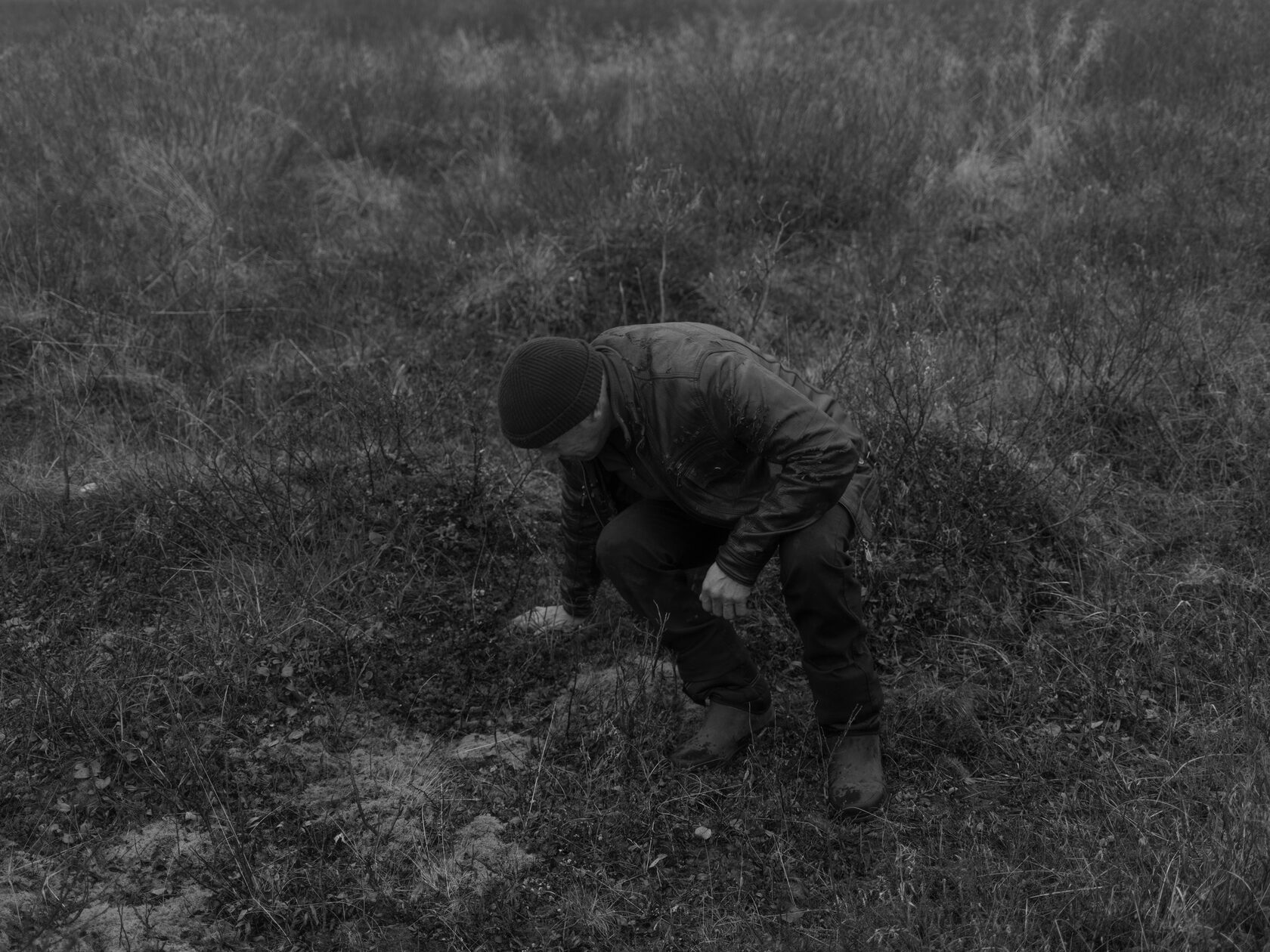
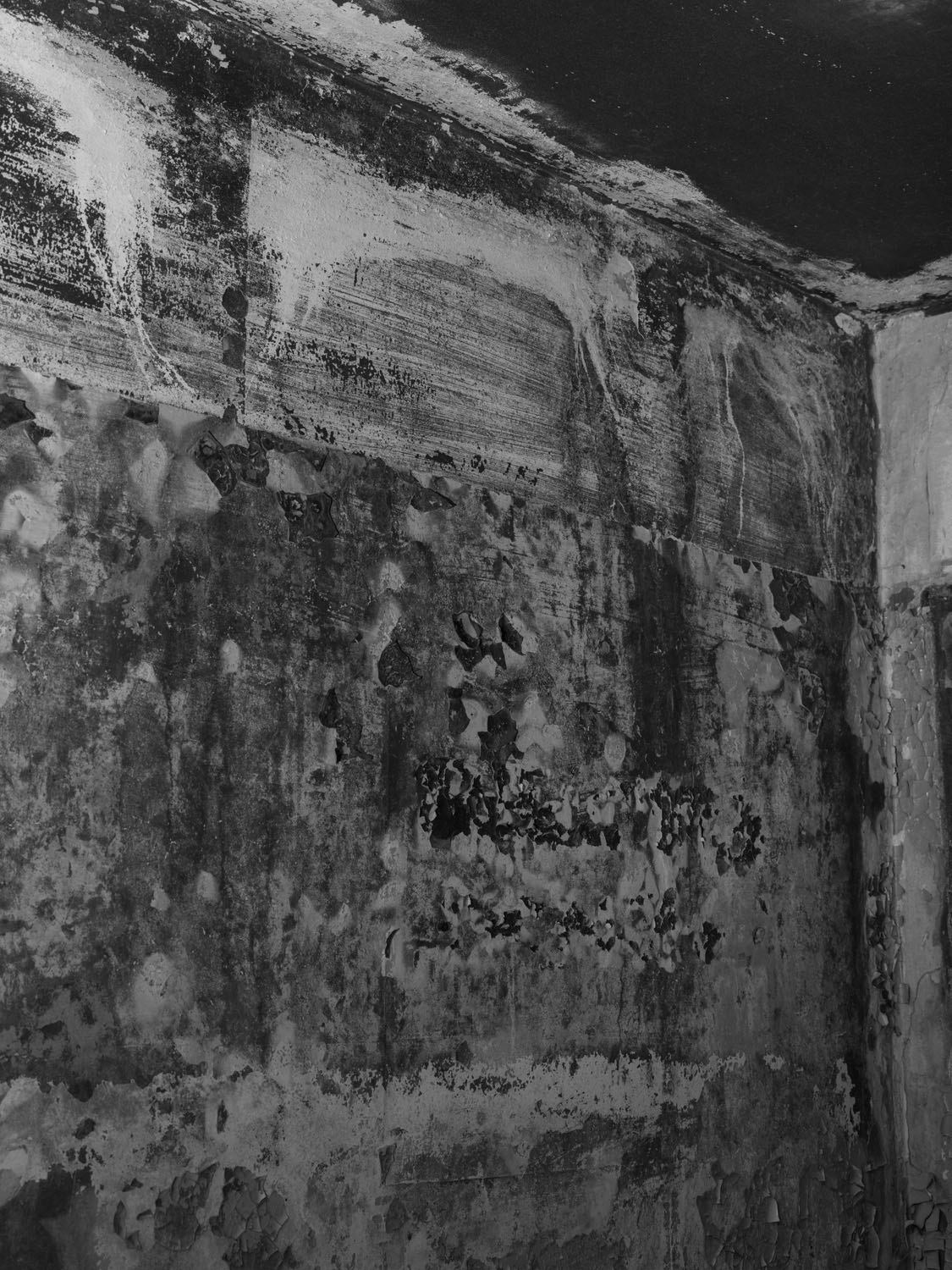
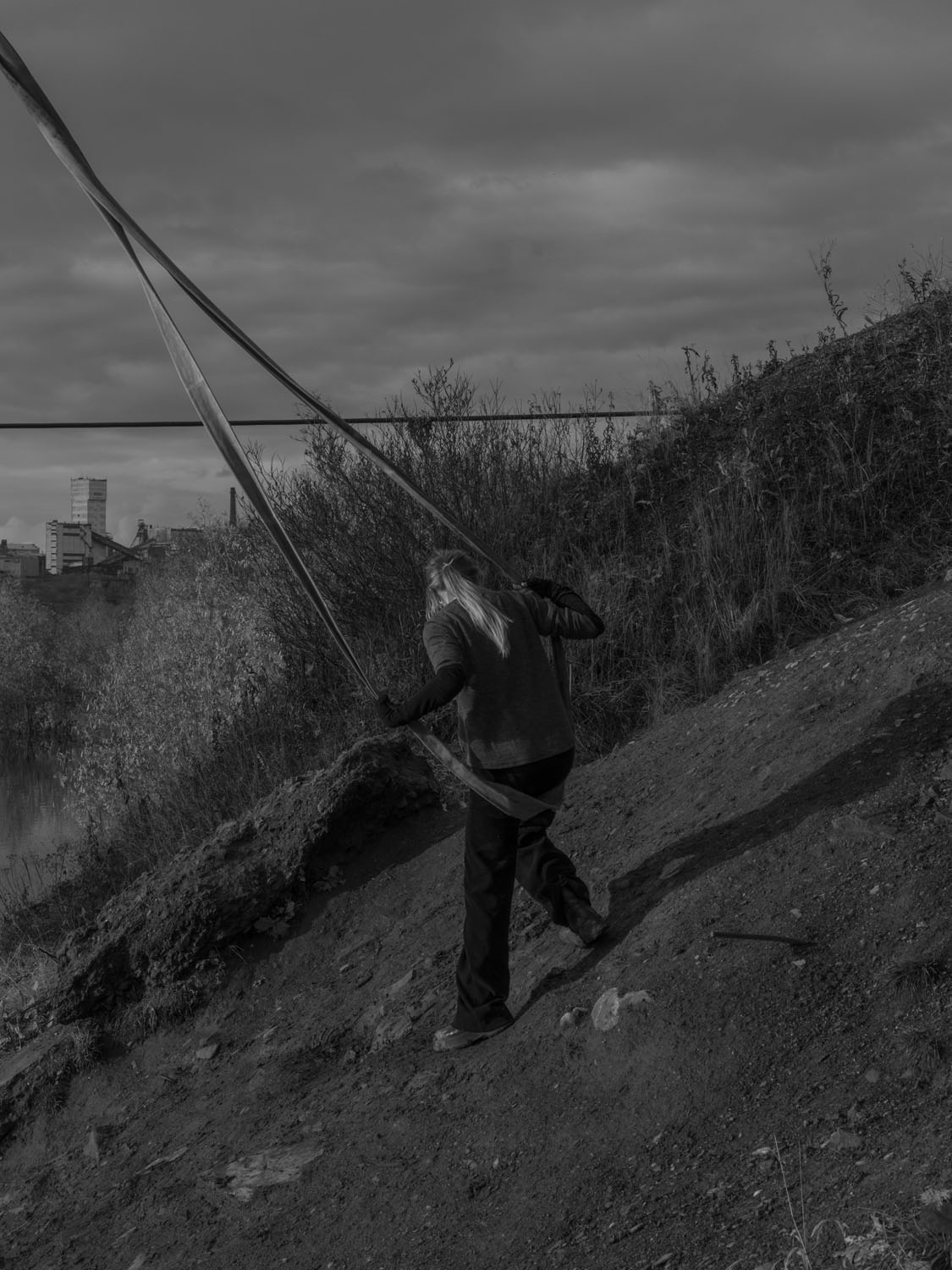
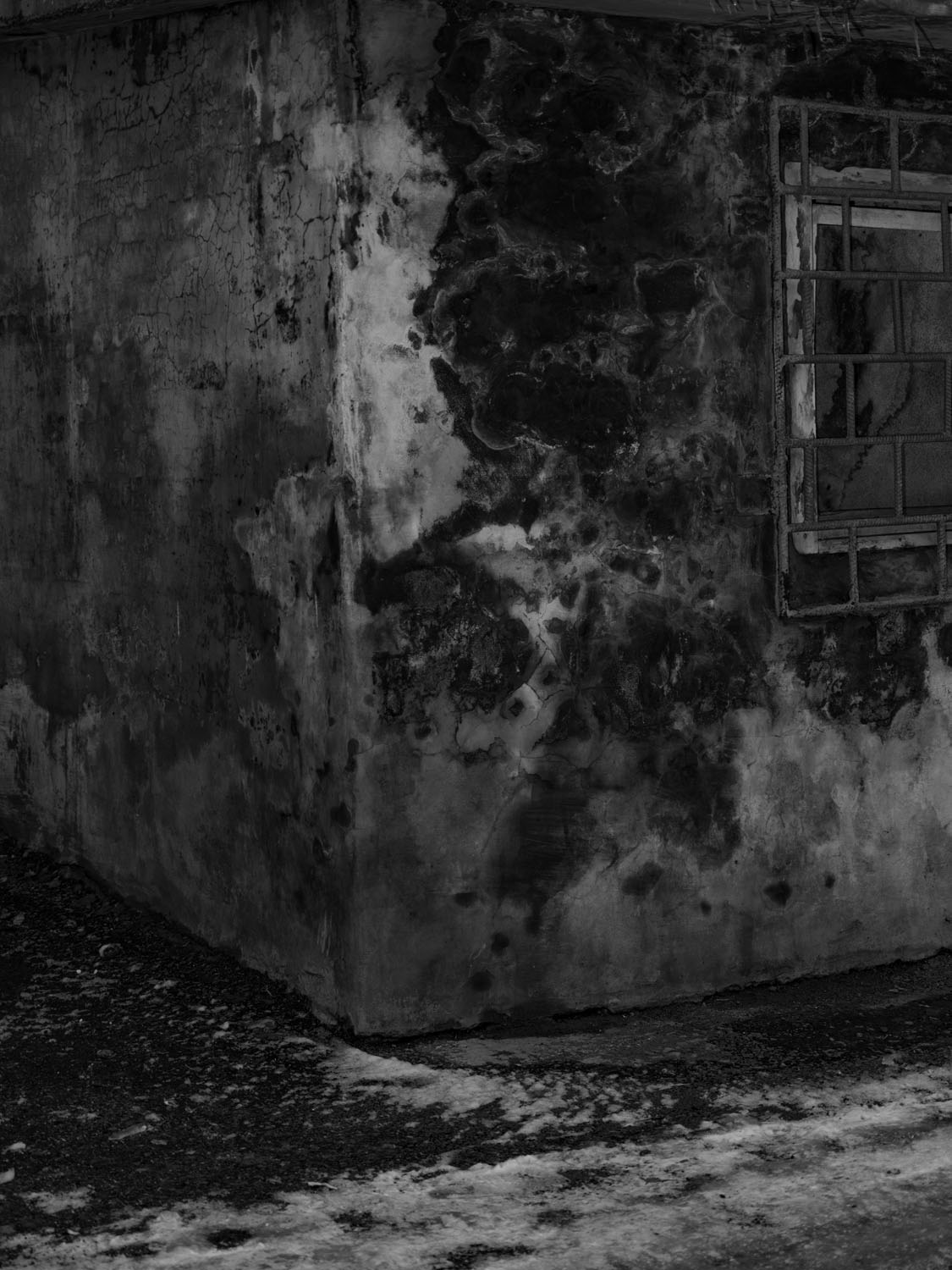
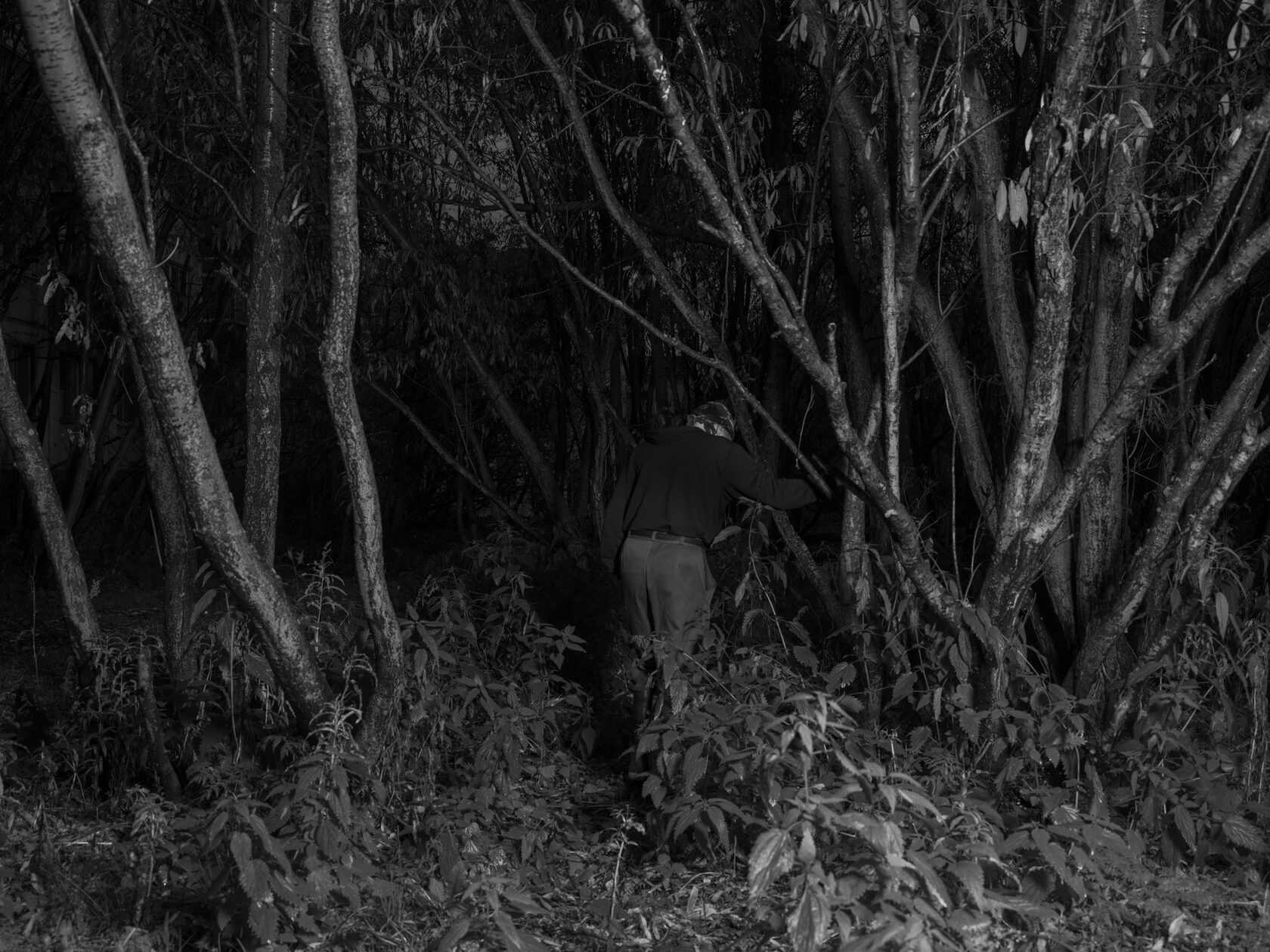
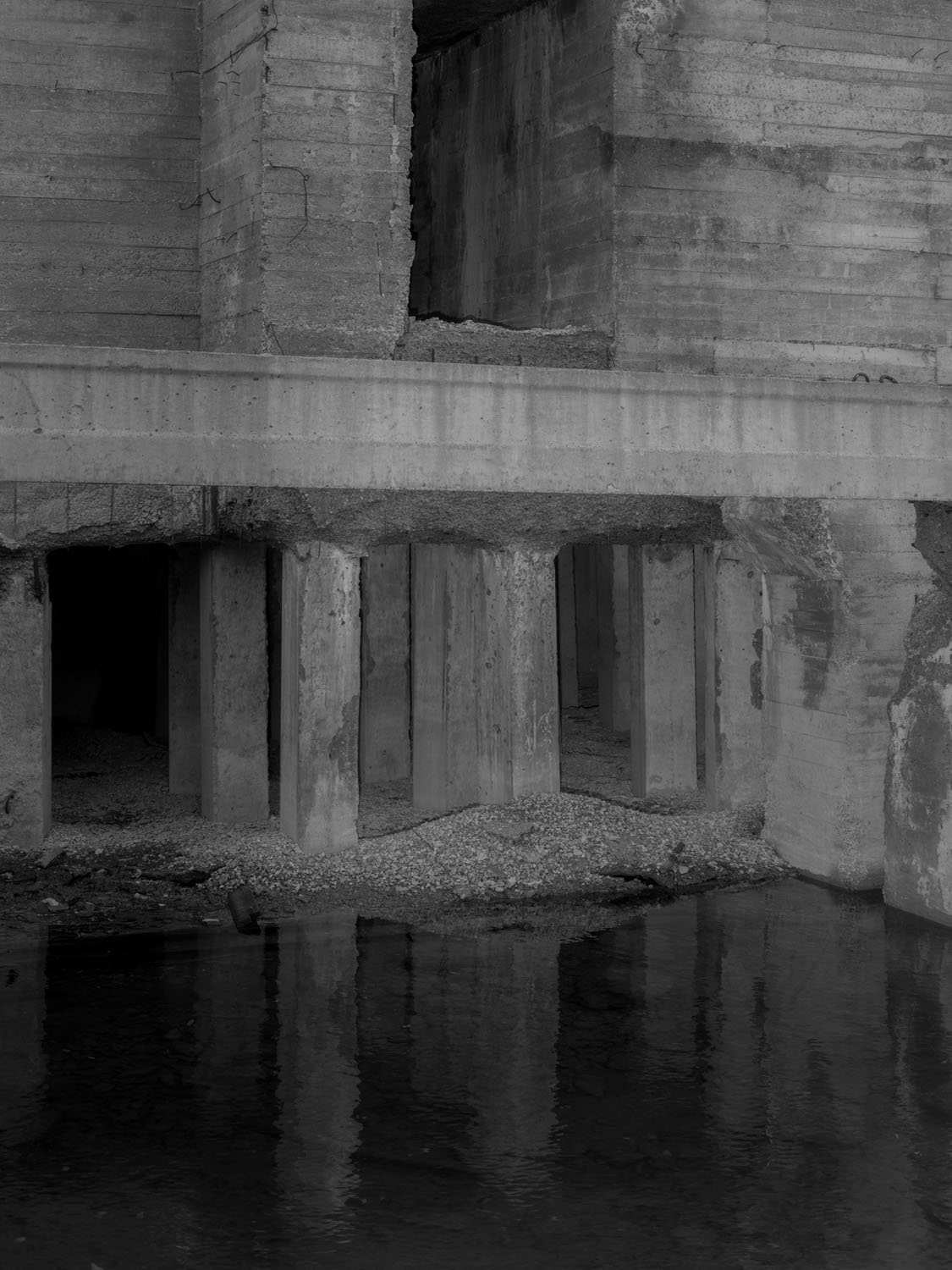
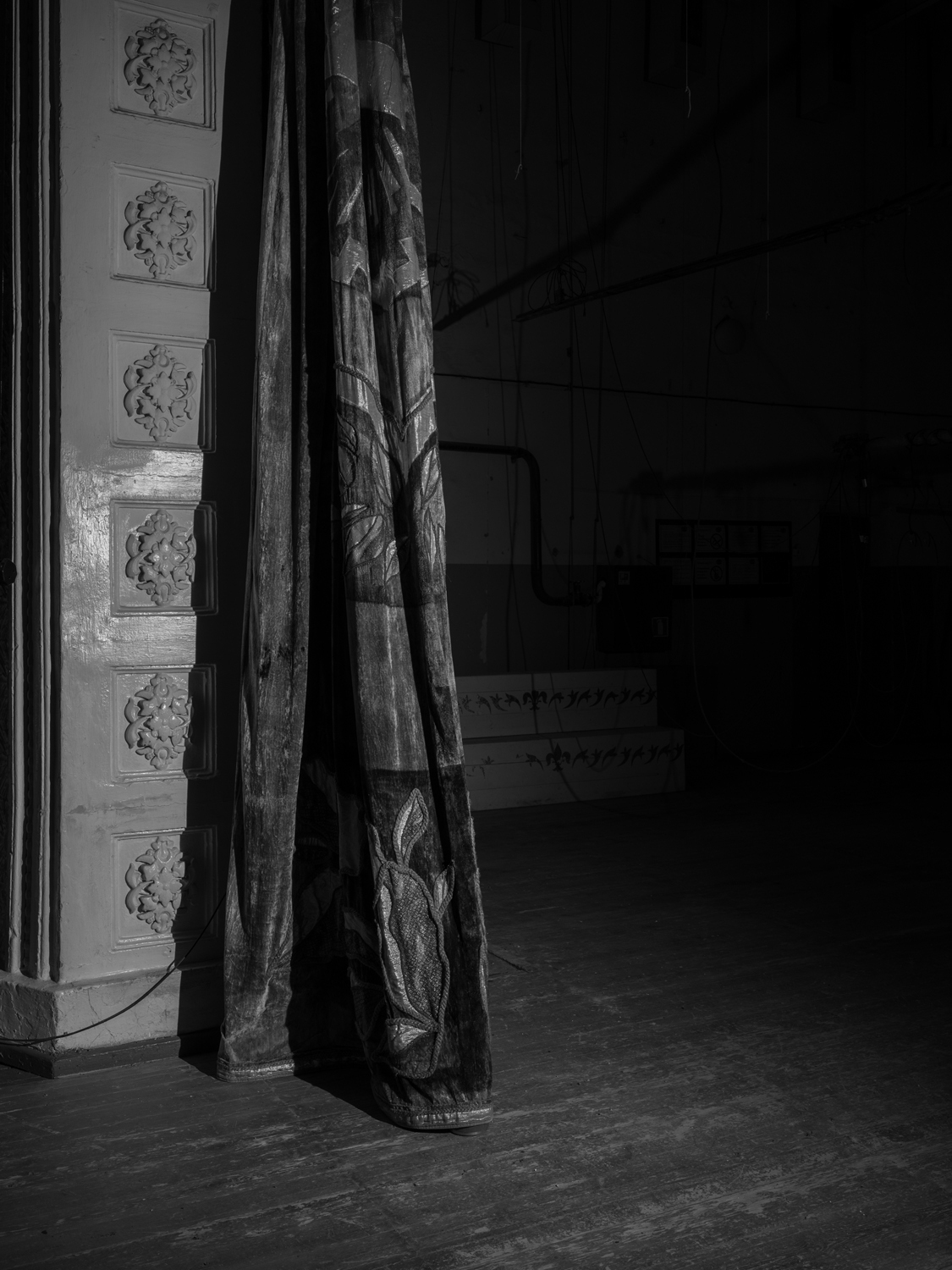
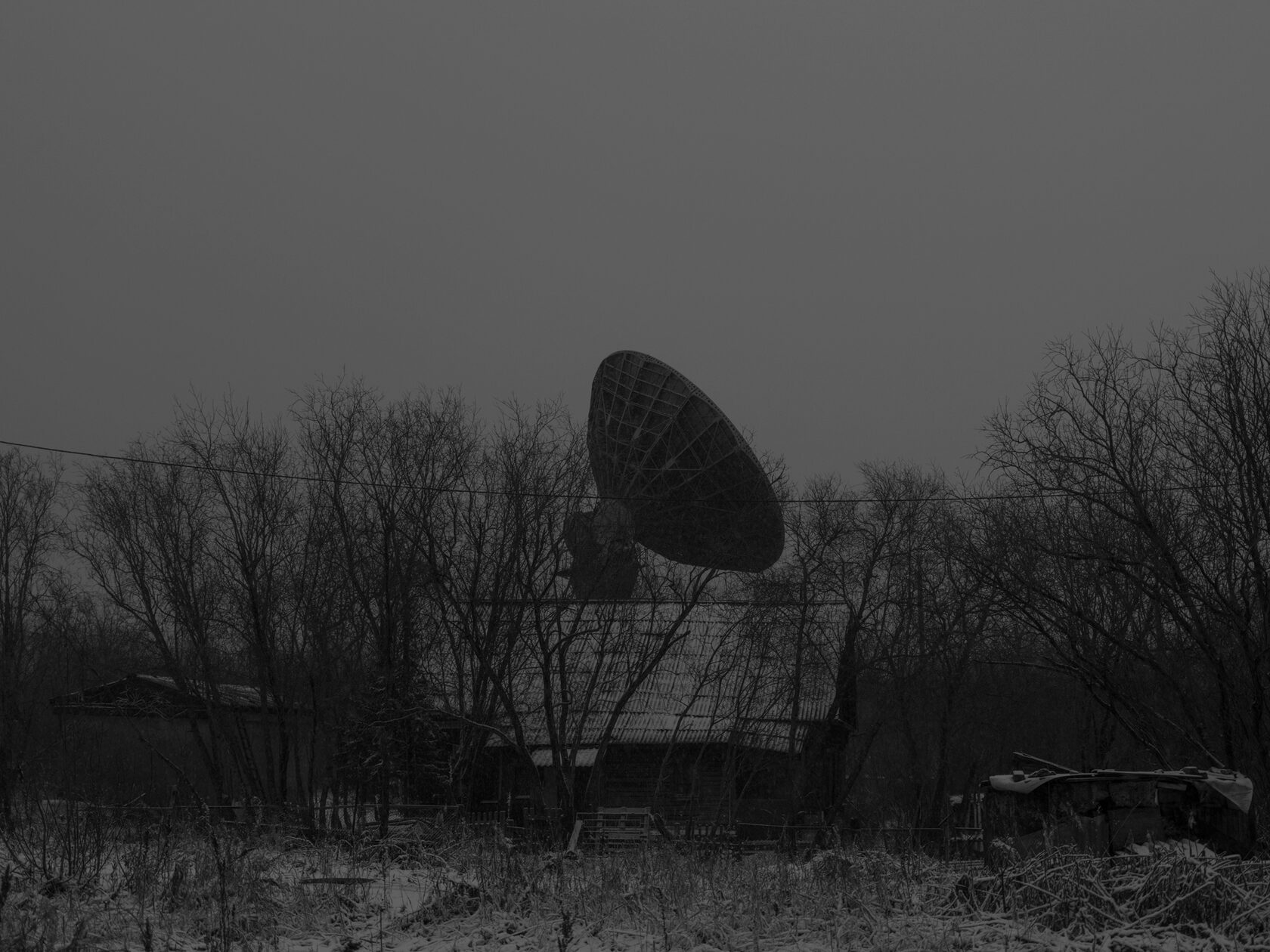
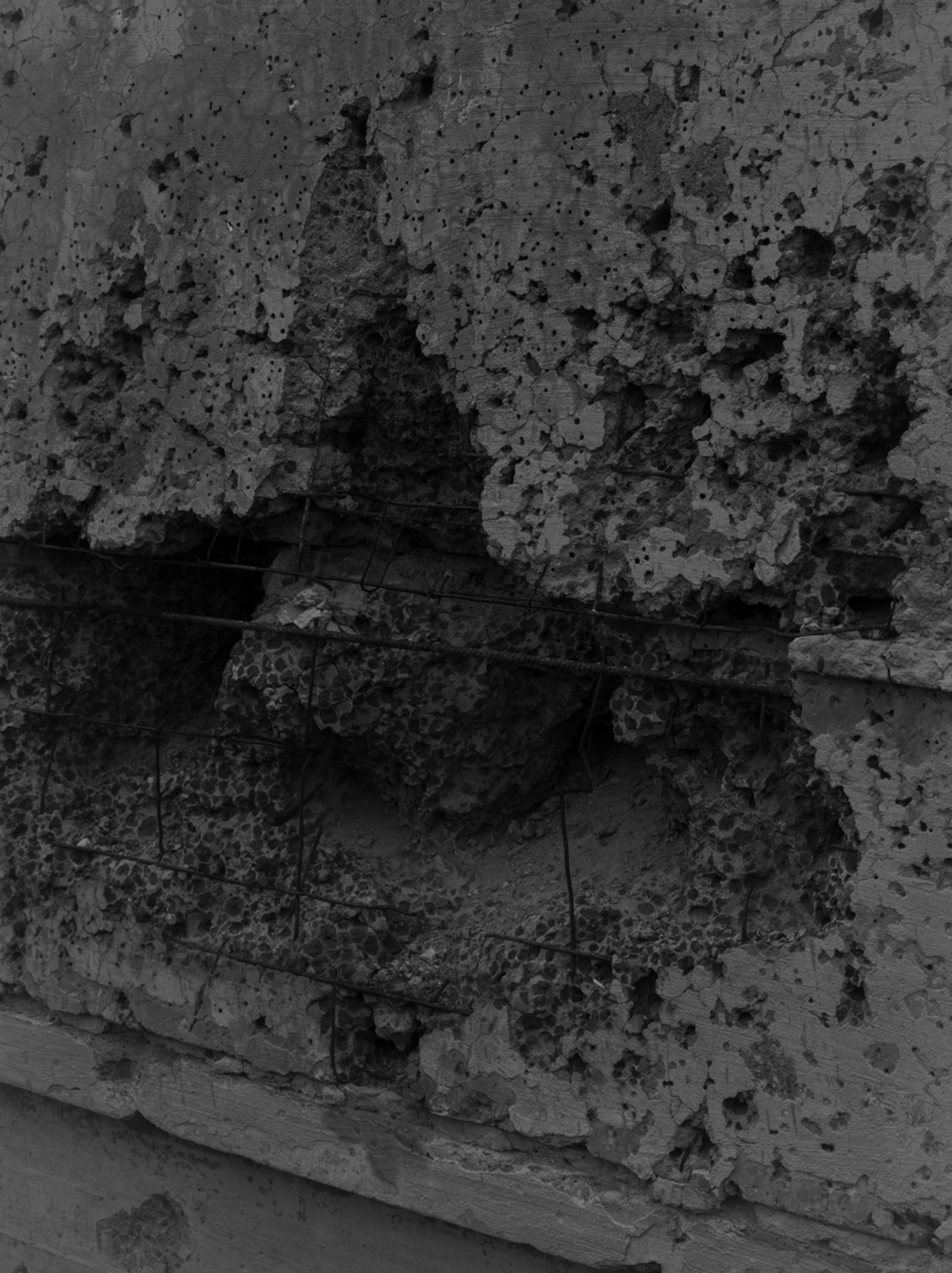
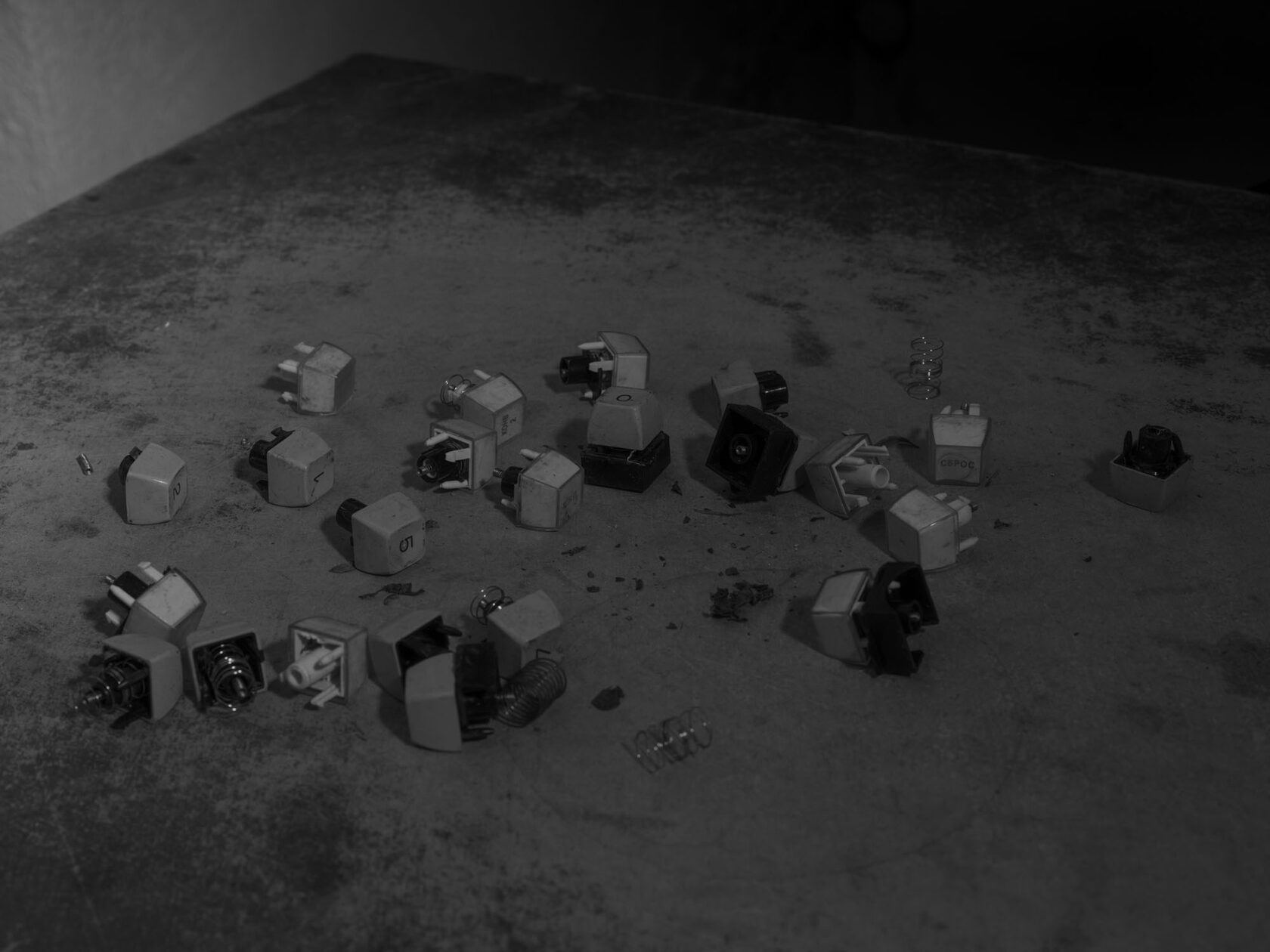
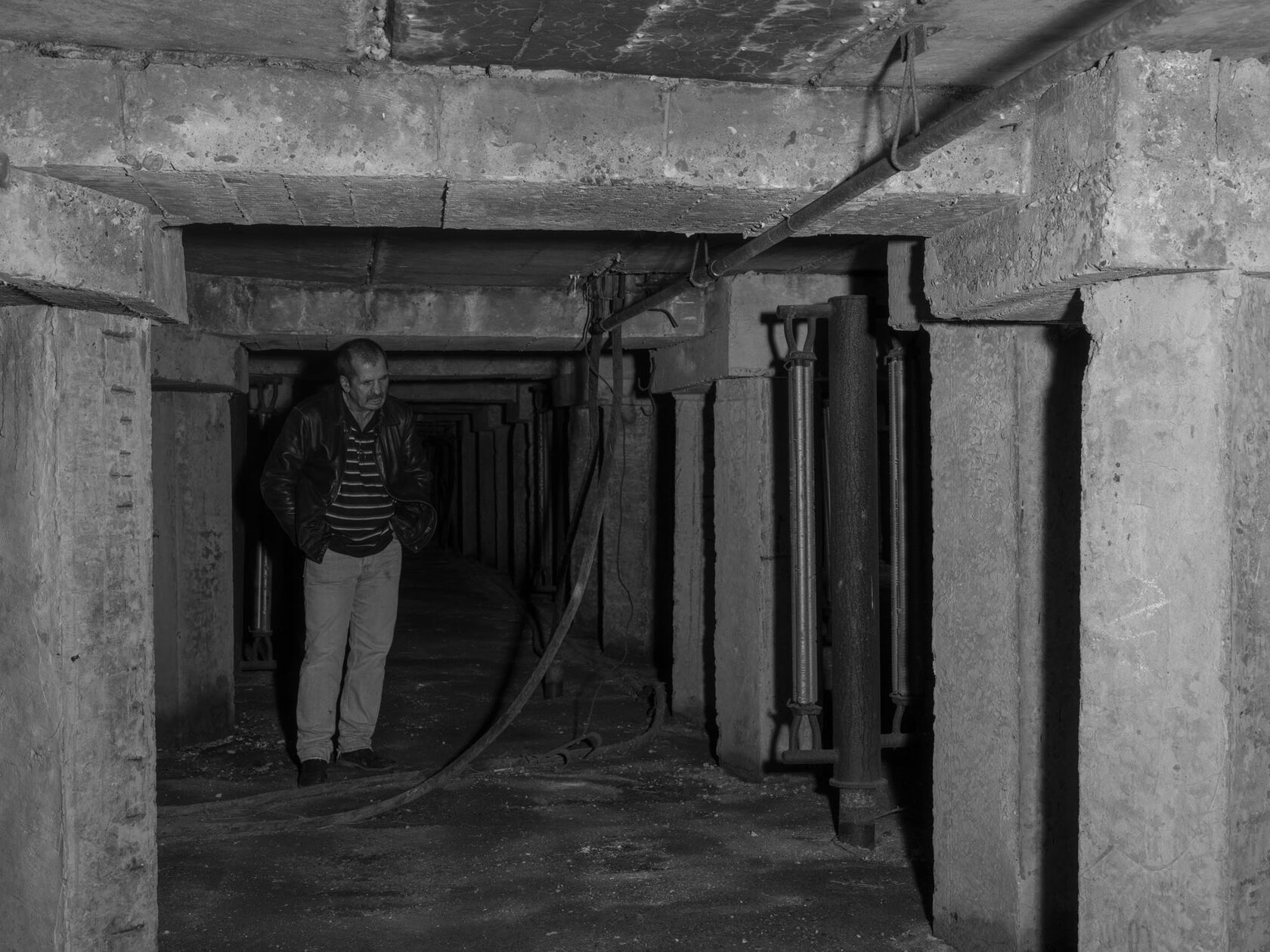
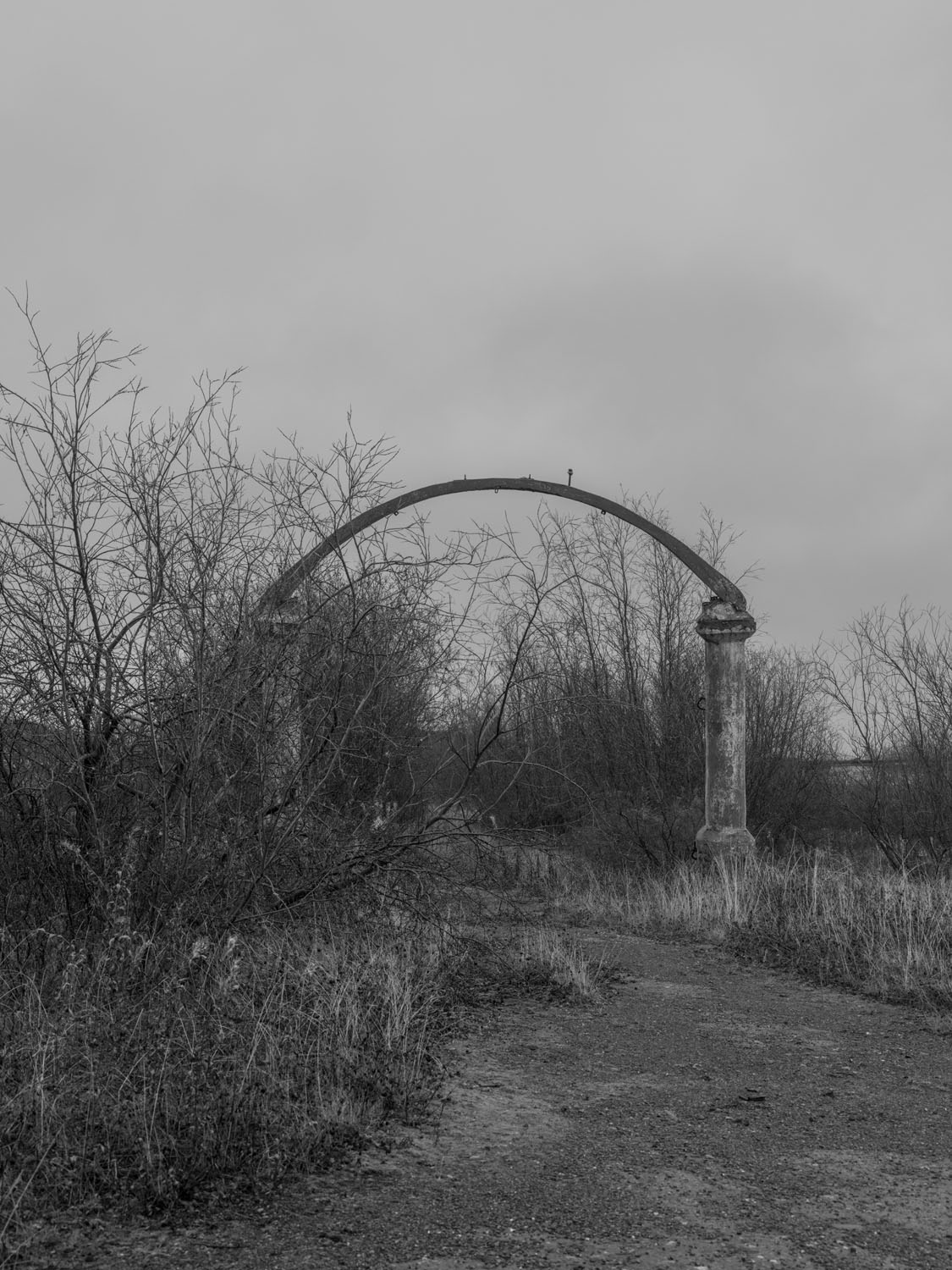
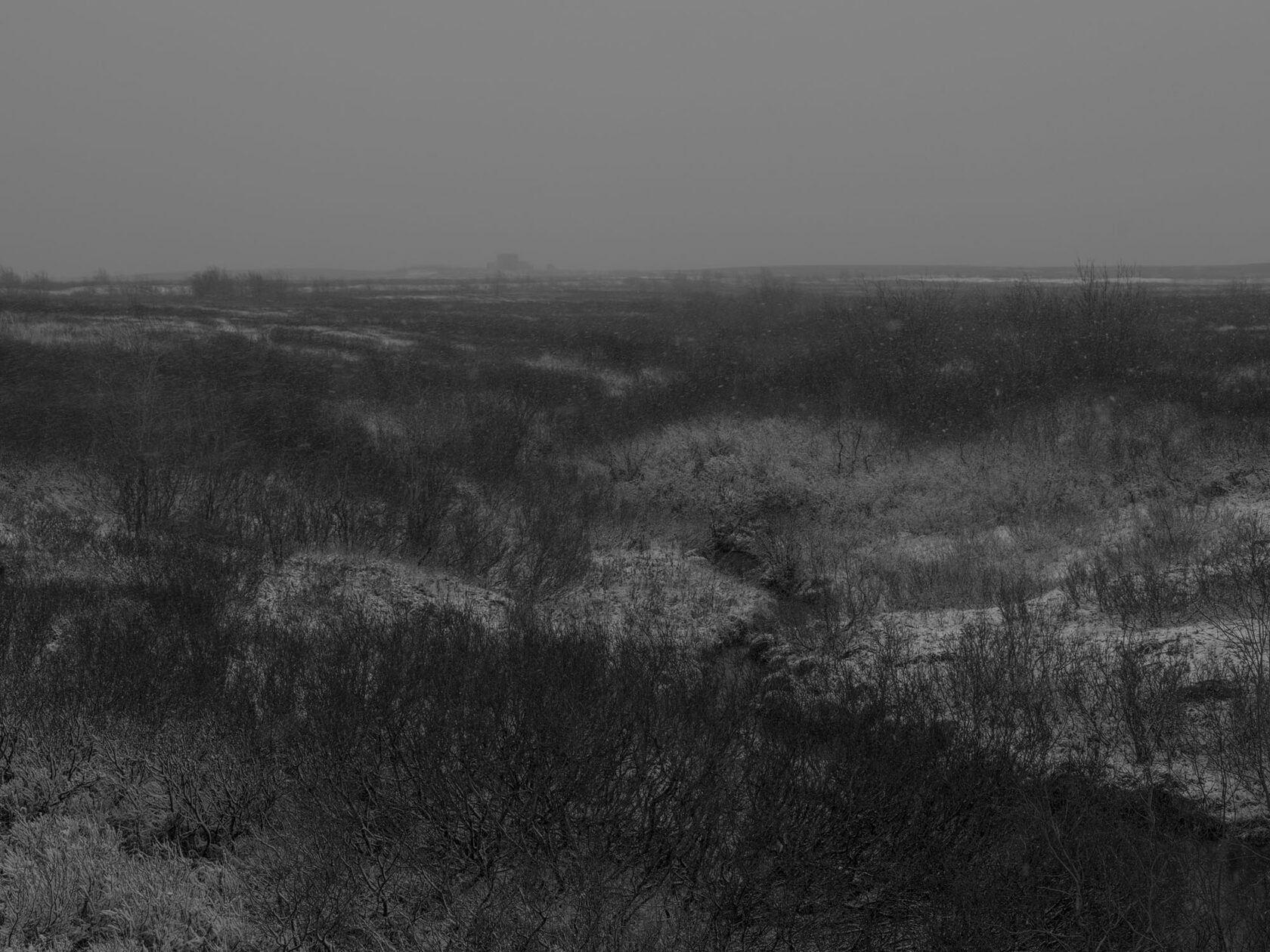
The project brings together these archival materials with photographs I have made in Vorkuta, returning to the same sites over the years. In the Arctic terrain, geological, political, and historical layers converge, forming a fragile environment where time acquires an almost tangible presence—settling into architecture, infrastructure, and the human body. Much like the photographs that continue to circulate across different media and contexts, the land itself becomes a site where the material presence of past systems remains visible.
Set in Vorkuta, an Arctic city rooted in forced labour, coal extraction, and industrial planning, this project considers a territory formed through Soviet expansion. During the Soviet era, the conquest of this territory served as both a symbolic and material assertion of power. Monumental architecture constructed a representational façade that obscured the systematic exploitation of both people and land.
I work with archival images found in local museums, newspapers, abandoned apartments, public displays, and private collections. The same photographs often reappear in different contexts: reproduced in exhibitions, printed in newspapers, or displayed in urban space. As they circulate, their meanings shift together with their material condition, accumulating new captions, alterations, or traces of damage. I approach photographs as material objects whose surfaces continue to transform through exposure, reproduction, circulation, and physical decay.
The project brings together these archival materials with photographs I have made in Vorkuta, returning to the same sites over the years. In the Arctic terrain, geological, political, and historical layers converge, forming a fragile environment where time acquires an almost tangible presence—settling into architecture, infrastructure, and the human body. Much like the photographs that continue to circulate across different media and contexts, the land itself becomes a site where the material presence of past systems remains visible.
Whiteout traces how territories shaped by imperial expansion continue to transform after the political and ideological systems that formed them begin to erode. Through rephotography and long-term observation, the project examines how the material remnants of these systems persist across landscapes, infrastructures, and images.
Set in Vorkuta, an Arctic city shaped by forced labour, coal extraction, and industrial planning, this project considers a territory formed through Soviet expansion. During the Soviet era, the conquest of this territory served as both a symbolic and material assertion of power. Monumental architecture constructed a representational façade that obscured the systematic exploitation of both people and land.
I work with archival images found in local museums, newspapers, abandoned apartments, public displays, and private collections. The same photographs often reappear in different contexts: reproduced in exhibitions, printed in newspapers, or displayed in urban space. As they circulate, their meanings shift together with their material condition, accumulating new captions, alterations, or traces of damage. I approach photographs as material objects whose surfaces continue to transform through exposure, reproduction, circulation, and physical decay.
The project brings together these archival materials with photographs I have made in Vorkuta, returning to the same sites over the years. In the Arctic terrain, geological, political, and historical layers converge, forming a fragile environment where time acquires an almost tangible presence—settling into architecture, infrastructure, and the human body. Much like the photographs that continue to circulate across different media and contexts, the land itself becomes a site where the material presence of past systems remains visible.
Set in Vorkuta, an Arctic city shaped by forced labour, coal extraction, and industrial planning, this project considers a territory formed through Soviet expansion. During the Soviet era, the conquest of this territory served as both a symbolic and material assertion of power. Monumental architecture constructed a representational façade that obscured the systematic exploitation of both people and land.
I work with archival images found in local museums, newspapers, abandoned apartments, public displays, and private collections. The same photographs often reappear in different contexts: reproduced in exhibitions, printed in newspapers, or displayed in urban space. As they circulate, their meanings shift together with their material condition, accumulating new captions, alterations, or traces of damage. I approach photographs as material objects whose surfaces continue to transform through exposure, reproduction, circulation, and physical decay.
The project brings together these archival materials with photographs I have made in Vorkuta, returning to the same sites over the years. In the Arctic terrain, geological, political, and historical layers converge, forming a fragile environment where time acquires an almost tangible presence—settling into architecture, infrastructure, and the human body. Much like the photographs that continue to circulate across different media and contexts, the land itself becomes a site where the material presence of past systems remains visible.